



There’s a difference between advice that sounds good in theory and advice that actually holds up when you’re standing in a crowded bus station, watching your budget shrink and your patience fade. Eco-friendly travel often gets framed as something idealistic—something that requires extra money, extra time, or extra effort. But in reality, some of the most practical and budget-saving travel habits are also the most sustainable.
This article is not built on abstract tips. It draws from real-life scenarios—situations where travelers made choices that reduced both their environmental footprint and their expenses. These are the kinds of lessons that come from missed trains, overbooked hotels, unexpected discoveries, and conversations with locals.
Each tip here is grounded in lived experience, followed by breakdowns, comparisons, and simple data that show why it works—not just environmentally, but financially.
- staying longer in one place instead of chasing multiple destinations
One traveler planned a two-week trip across three countries. Flights were booked, trains reserved, and a tight itinerary was set. By the fourth day, exhaustion set in, unexpected delays piled up, and costs started creeping beyond the initial budget.
Midway through the trip, they made a decision: cancel the remaining destinations and stay in one town for the rest of the journey.
The result? Costs dropped sharply. Instead of paying for repeated transport and short-term accommodations, they negotiated a weekly rate at a local guesthouse, discovered inexpensive eateries, and spent most days exploring on foot.
cost and impact comparison:
| Travel Style | Total Transport Cost | Avg Accommodation Cost | Daily Spending | Environmental Impact |
|---|---|---|---|---|
| Multi-city itinerary | $600 | $90/night | $70 | High |
| Single-location stay | $150 | $45/night | $35 | Low |
what actually worked:
Longer stays unlock discounts, reduce transport emissions, and allow you to shift from “tourist pricing” to “local pricing.” Over time, even small savings compound into significant reductions.
- switching from taxis to local buses and shared rides
In many cities, the easiest option is to open a ride-hailing app and book a car. It feels convenient, especially after a long day. But one traveler noticed that daily transport was quietly becoming one of the largest expenses.
After a few days, they switched to local buses and shared vans. It wasn’t always smooth—routes were confusing at first—but within a couple of days, the system became familiar.
transport comparison over one week:
| Transport Type | Daily Cost | Weekly Cost | Carbon Output | Local Interaction |
|---|---|---|---|---|
| Taxi/Rideshare | $30 | $210 | High | Minimal |
| Shared Van | $8 | $56 | Moderate | Medium |
| Public Bus | $3 | $21 | Low | High |
what actually worked:
Beyond saving money, public transport opened up unexpected experiences—conversations, local insights, and a better understanding of how the city functions.
- choosing homestays over hotels

A couple traveling on a tight budget initially booked budget hotels. While affordable, the experience felt generic, and costs added up due to eating out for every meal.
They switched to a homestay halfway through the trip. The host provided breakfast, local travel tips, and even helped arrange cheaper transportation.
accommodation comparison:
| Stay Type | Cost per Night | Included Meals | Cultural Experience | Waste Generated |
|---|---|---|---|---|
| Budget Hotel | $70 | No | Low | Moderate |
| Hostel | $30 | Sometimes | Medium | Moderate |
| Homestay | $35 | Yes | High | Low |
what actually worked:
Homestays often reduce both direct and indirect costs. You spend less on food, avoid tourist traps, and gain access to local knowledge that helps you make smarter decisions.
- carrying reusable essentials instead of buying on the go
One traveler tracked their daily spending and noticed a pattern: small purchases—water bottles, plastic bags, takeaway containers—were adding up.
They decided to carry a few reusable items: a water bottle, a cloth bag, and a small food container.
weekly spending comparison:
| Item Category | Without Reusables | With Reusables |
|---|---|---|
| Bottled Water | $14 | $2 |
| Plastic Bags | $5 | $0 |
| Takeaway Packaging | $10 | $3 |
| Total | $29 | $5 |
waste reduction estimate:
| Waste Type | Units Reduced per Week |
|---|---|
| Plastic Bottles | 10–14 |
| Plastic Bags | 8–12 |
| Food Containers | 5–7 |
what actually worked:
This wasn’t just about sustainability—it was about awareness. Carrying reusables made the traveler more conscious of spending habits overall.
- eating where locals eat instead of tourist hotspots
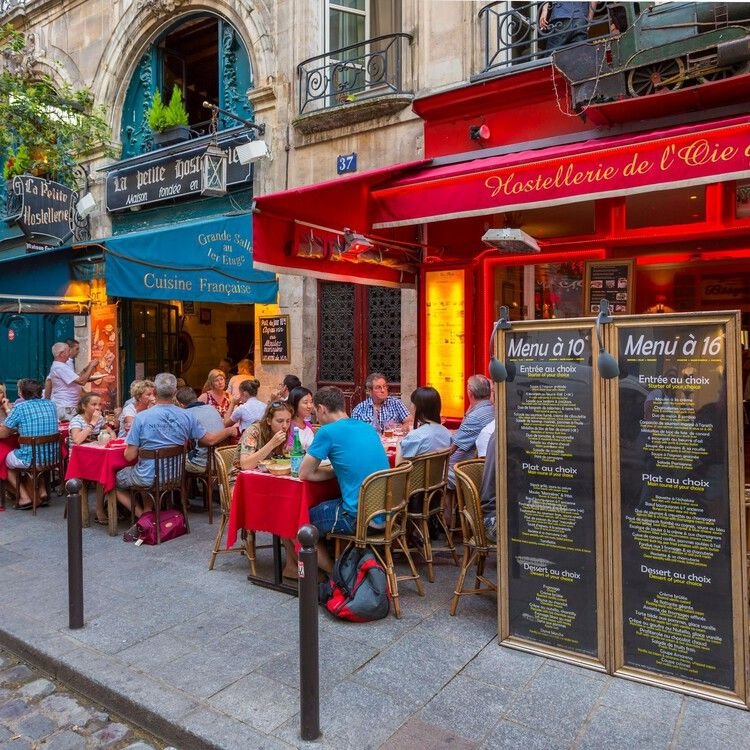
A solo traveler noticed that restaurants near major attractions charged nearly double for meals that weren’t significantly better in quality.
By walking just a few streets away and observing where locals gathered, they found smaller eateries with better food at lower prices.
meal comparison:
| Dining Option | Avg Meal Cost | Portion Size | Authenticity | Environmental Impact |
|---|---|---|---|---|
| Tourist Restaurant | $18 | Medium | Low | High |
| Chain Restaurant | $12 | Medium | Medium | Moderate |
| Local Eatery | $6 | Large | High | Low |
what actually worked:
Local food often uses seasonal ingredients and simpler supply chains, making it both cheaper and more sustainable.
- traveling overnight to save time, money, and resources
One traveler faced a dilemma: pay for a night’s accommodation and a daytime train ticket, or try an overnight bus.
They chose the overnight option. It wasn’t luxurious, but it saved both time and money.
cost breakdown:
| Travel Option | Ticket Cost | Accommodation Cost | Total Cost |
|---|---|---|---|
| Day Travel + Hotel | $40 | $50 | $90 |
| Overnight Transport | $55 | $0 | $55 |
what actually worked:
Overnight travel reduces the need for additional accommodation and often results in fewer total trips, lowering emissions.
- avoiding impulse shopping and focusing on meaningful purchases
Souvenirs can quickly become clutter—both in your luggage and in your life. One traveler set a rule: only buy items that are locally made and genuinely meaningful.
spending comparison:
| Shopping Style | Avg Spend per Trip | Usefulness | Environmental Impact |
|---|---|---|---|
| Impulse Buying | $150 | Low | High |
| Intentional Buying | $60 | High | Low |
what actually worked:
Fewer purchases meant less waste, lighter luggage, and more appreciation for the items that were chosen.
- adjusting expectations instead of chasing perfection
Perhaps the most important lesson came from a traveler who initially tried to plan everything perfectly—eco-friendly hotels, zero-waste packing, optimized routes.
It quickly became overwhelming.
Instead, they shifted their mindset: focus on doing better, not doing everything perfectly.
impact comparison:
| Approach | Stress Level | Cost Efficiency | Sustainability |
|---|---|---|---|
| Perfection-focused | High | Low | Inconsistent |
| Flexible mindset | Low | High | Consistent |
what actually worked:
Sustainability became a series of small, manageable choices rather than a rigid system. This made it easier to maintain over time.
combined savings and impact overview
To understand how these tips work together, here’s a simplified weekly comparison:
| Category | Conventional Travel | Eco-Friendly Approach |
|---|---|---|
| Accommodation | $490 | $245 |
| Transport | $210 | $70 |
| Food | $210 | $90 |
| Miscellaneous | $150 | $60 |
| Total | $1,060 | $465 |
estimated environmental impact:
| Metric | Conventional | Eco-Friendly |
|---|---|---|
| CO2 Emissions | High | Low |
| Plastic Waste | High | Minimal |
| Resource Consumption | High | Reduced |
final reflection
What stands out across all these examples is not just the savings or the reduced environmental impact—it’s the shift in perspective. Travelers who adopted these habits didn’t feel like they were sacrificing anything. In many cases, they felt like they gained more: more connection, more authenticity, and more control over their experiences.
Eco-friendly travel, when approached practically, becomes less about restriction and more about intention. It’s about asking simple questions: Do I really need this? Is there a better way? Can I do this differently?
Over time, those small questions shape better journeys.
frequently asked questions
- do eco-friendly travel choices really save money?
Yes, many sustainable choices—like public transport, local food, and longer stays—are often cheaper than conventional options.
- is it difficult to adapt to local transport systems?
It can be confusing at first, but most travelers adjust within a couple of days. Asking locals for help speeds up the process.
- are homestays safe for travelers?
Generally, yes. Checking reviews and choosing reputable platforms can ensure a safe and comfortable experience.
- how can i reduce waste while traveling without overpacking?
Carry a few key reusable items like a water bottle, cloth bag, and utensils. These cover most situations without adding much weight.
- is slow travel practical for short trips?
Even short trips can benefit from a slower approach by focusing on fewer locations instead of rushing between many.
- what is the most impactful change a traveler can make?
Reducing transportation frequency—especially flights—has one of the biggest environmental and financial impacts.
In the end, eco-friendly travel isn’t about doing everything right. It’s about doing enough things better that the overall journey becomes lighter—for both you and the world around you.