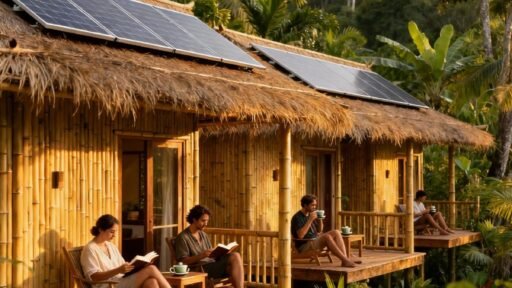



Travel has changed. It’s no longer just about seeing new places; it’s about how we see them, how we move through them, and what we leave behind. A growing number of travelers are beginning to realize something surprisingly practical: eco-friendly travel isn’t just good for the planet—it can also be significantly cheaper.
At first glance, “eco-friendly” might sound like a luxury—organic food, boutique eco-lodges, carbon offsets—but in reality, many sustainable travel habits naturally align with cost-saving strategies. When you reduce waste, consume less, and make smarter choices, your expenses shrink alongside your environmental footprint.
This article breaks down seven smart eco-friendly travel tips that don’t just sound good in theory—they actually work in real life. Along the way, you’ll find practical examples, comparison tables, and realistic breakdowns of how these choices impact both your wallet and the environment.
—
- Travel slower, stay longer

One of the simplest ways to reduce both costs and environmental impact is to slow down. Instead of cramming five cities into seven days, staying longer in one place cuts transportation costs dramatically.
Flights, buses, and trains are often the most expensive and carbon-heavy parts of any trip. When you reduce the number of transfers, you naturally save money.
Why this works:
- Fewer tickets = lower overall transport cost
- Long stays often unlock discounts (weekly or monthly rates)
- Less frequent packing/unpacking reduces incidental spending
Cost comparison example:
Travel Style | Cities Visited | Transport Cost | Accommodation Cost | Total (7 days)
Fast travel | 4 cities | $350 | $420 | $770
Slow travel | 1 city | $120 | $350 (discounted weekly) | $470
Environmental impact comparison:
Factor | Fast Travel | Slow Travel
Flights/Bus trips | 4 | 1
Carbon emissions | High | Low
Resource usage | High turnover | Stable usage
In practice, slow travel also creates deeper experiences. You shop locally, cook occasionally, and avoid tourist pricing traps. Ironically, doing less often gives you more value.
—
- Use public transportation and shared mobility
Taxis and ride-hailing apps feel convenient, but they quietly drain your budget. Public transportation, cycling, and walking are not only cheaper—they are far more sustainable.
Many cities offer travel passes that drastically reduce daily transport costs.
Daily transport cost comparison:
Mode | Average Daily Cost | Environmental Impact
Taxi / Ride apps | $20–$50 | High
Car rental | $30–$70 + fuel | High
Public transport pass | $5–$12 | Low
Bike rental | $3–$10 | Very low
Walking | Free | Zero
Hidden benefits:
- You avoid parking fees and fuel costs
- You experience local life more authentically
- You reduce stress from traffic and navigation
In cities with good infrastructure, public transport often ends up being faster than driving.
A practical tip: always check for multi-day passes. A 3-day metro card is often cheaper than buying individual tickets.
—
- Pack light and avoid unnecessary purchases
Packing light is one of the most underrated eco-budget strategies. Airlines charge for checked baggage, and heavy luggage often leads to unnecessary spending.
Why packing light saves money:
- Avoid baggage fees
- Reduce impulse purchases (no “I forgot this” spending)
- Easier movement = less reliance on taxis
Packing efficiency chart:
Item Type | Heavy Traveler | Light Traveler
Clothing | 10–12 outfits | 4–6 versatile outfits
Shoes | 4 pairs | 1–2 pairs
Toiletries | Full-size bottles | Reusable travel-size
Extras | “Just in case” items | Minimal essentials
Estimated cost impact per trip:
Category | Heavy Packing Cost | Light Packing Cost
Baggage fees | $40–$120 | $0
Extra purchases | $50 | $10
Transport (taxis due to luggage) | $30 | $10
Total savings: $100–$180 per trip
Eco impact:
Less luggage weight = lower fuel consumption, especially on flights.
A small but powerful shift.
—
- Choose eco-friendly accommodations (they’re often cheaper than you think)
Eco-friendly doesn’t automatically mean expensive resorts. In fact, many sustainable accommodations focus on simplicity, which reduces costs.
Types of budget-friendly eco stays:
- Guesthouses
- Hostels with green practices
- Farm stays
- Locally owned homestays
Cost comparison:
Accommodation Type | Avg Cost/Night | Eco Impact | Extras
Luxury hotel | $120 | High | Pool, AC, daily cleaning
Eco hostel | $15–$40 | Low | Shared spaces
Guesthouse | $25–$60 | Low | Local experience
Homestay | $20–$50 | Very low | Meals sometimes included
Why they save money:
- Lower energy consumption means lower operating costs
- Less focus on luxury amenities reduces price
- Often include kitchen access
Extra savings tip:
Cooking even 1 meal per day can save $10–$20.
Monthly impact example:
Expense Type | Eating Out Daily | Cooking 1 Meal/Day
Food cost/day | $25 | $15
Monthly total | $750 | $450
Savings: $300
—
- Eat local, seasonal, and plant-forward meals
Food is a major travel expense, and it’s also a key area where eco-friendly choices align perfectly with saving money.
Local food tends to be:
- Cheaper
- Fresher
- Less resource-intensive
Cost comparison of meal choices:
Meal Type | Average Cost | Environmental Impact
Imported food (western chains) | $10–$20 | High
Tourist restaurants | $8–$15 | Medium-high
Local street food | $2–$6 | Low
Home-cooked meals | $3–$5 | Very low
Plant-based meals:
Meat production is resource-heavy. Even partially reducing meat consumption can lower both cost and footprint.
Weekly food budget comparison:
Diet Style | Weekly Cost
Meat-heavy | $120
Mixed | $90
Mostly plant-based | $60
Savings: up to 50%
Bonus: local markets often sell fresh produce at very low prices.
—
- Reduce waste and avoid disposable spending
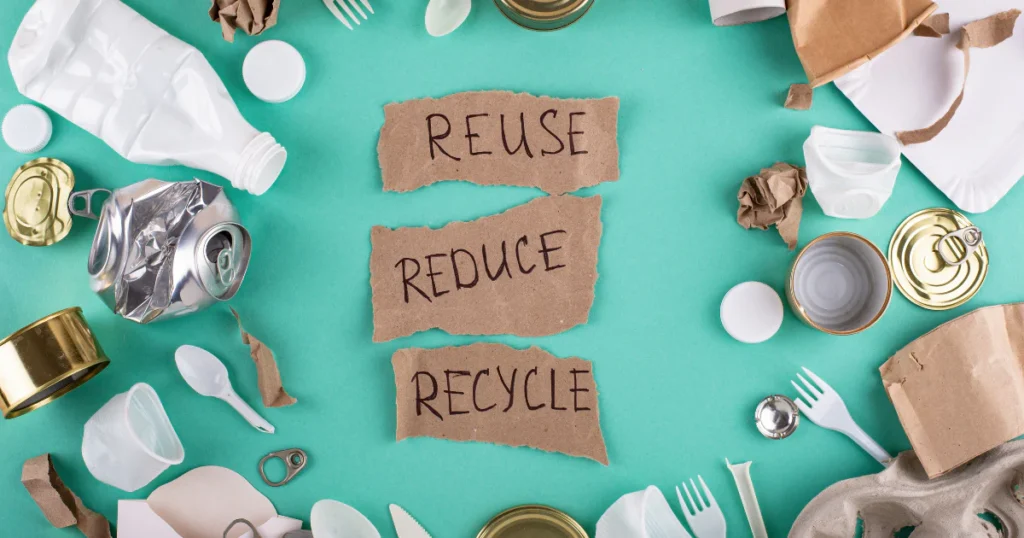
Waste and unnecessary spending go hand in hand. Single-use items may seem cheap individually, but they add up quickly.
Common wasteful expenses:
- Bottled water
- Disposable cutlery
- Plastic bags
- Coffee cups
Reusable alternative savings:
Item | Disposable Cost (7 days) | Reusable Cost
Water bottles | $14 | $2 (refill stations)
Coffee cups | $21 | $0 (bring your own)
Plastic bags | $5 | $0
Total weekly savings: ~$40
Essential eco travel kit:
- Reusable water bottle
- Cloth shopping bag
- Compact food container
- Travel cutlery
Environmental benefit:
Significant reduction in plastic waste, especially in countries struggling with waste management.
—
- Travel off-season and avoid over-tourism hotspots
Peak season is expensive and environmentally stressful for destinations. Traveling during off-peak periods reduces both cost and impact.
Price comparison:
Category | Peak Season | Off-Season
Flights | $600 | $350
Hotels | $100/night | $60/night
Attractions | Full price | Discounts available
7-day trip total:
Season | Estimated Total Cost
Peak | $1300
Off-season | $800
Savings: ~$500
Environmental benefits:
- Reduced strain on local resources
- Less crowding
- More authentic experiences
Additionally, choosing less touristy destinations spreads economic benefits more evenly and reduces pressure on fragile ecosystems.
—
Putting it all together: total savings potential
If you combine all seven strategies, the financial impact becomes very clear.
Category | Traditional Travel | Eco-Friendly Travel
Transport | $400 | $150
Accommodation | $700 | $400
Food | $500 | $300
Extras | $200 | $80
Total | $1800 | $930
Total savings: $870 (almost 50%)
Environmental impact reduction:
- Lower emissions
- Reduced waste
- More sustainable local support
—
Real-life example scenario
Let’s imagine two travelers visiting the same destination for one week.
Traveler A (traditional):
- Takes taxis everywhere
- Eats at tourist restaurants
- Stays in a hotel
- Buys bottled water daily
Traveler B (eco-smart):
- Uses public transport
- Eats local street food
- Stays in a guesthouse
- Uses reusable items
Weekly spending comparison:
Expense | Traveler A | Traveler B
Transport | $250 | $60
Food | $200 | $90
Accommodation | $700 | $350
Extras | $100 | $30
Total | $1250 | $530
Difference: $720
Same destination, completely different outcomes.
—
Common misconceptions about eco-friendly travel
Misconception 1: It’s more expensive
Reality: As shown, it often reduces costs significantly.
Misconception 2: It’s inconvenient
Reality: Most eco-friendly habits simplify travel.
Misconception 3: It limits experiences
Reality: It often enhances cultural immersion.
Misconception 4: It requires extreme lifestyle changes
Reality: Small adjustments make a big difference.
—
Practical checklist before your next trip
Category | Action
Transport | Book fewer, longer stays
Packing | Limit to carry-on
Food | Research local markets
Accommodation | Look for guesthouses/homestays
Daily habits | Carry reusable items
Timing | Choose off-season travel
Mobility | Download local transport apps
—
FAQs
- Is eco-friendly travel really cheaper in every case?
Not always in every individual purchase, but overall it almost always leads to lower total costs. The biggest savings come from transportation, food, and accommodation choices. - How can I find eco-friendly accommodations on a budget?
Look for locally owned guesthouses, hostels, and homestays. Many budget accommodations naturally follow eco-friendly practices even if they don’t advertise them. - Does eating plant-based while traveling limit food options?
Not at all. In many regions, traditional diets are already plant-rich. You’ll often find more variety and lower prices when eating local plant-based meals. - What’s the easiest eco-friendly habit to start with?
Switching to reusable items like a water bottle is the simplest. It saves money immediately and reduces waste without requiring major lifestyle changes. - Is slow travel practical for short vacations?
Even on a short trip, choosing one or two locations instead of many can significantly reduce costs and stress. - How much money can I realistically save using these tips?
Depending on your destination and habits, savings can range from 30% to 60% of your total travel budget.
—
Eco-friendly travel isn’t about perfection. It’s about making smarter choices that align with both your budget and the world around you. The surprising truth is that the more mindful you become, the less you tend to spend.
In the end, saving money and protecting the planet aren’t separate goals—they’re often the same path.