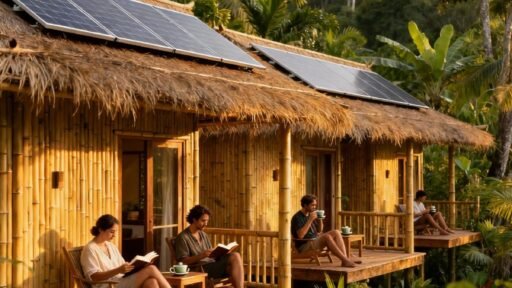



Traveling today comes with a new kind of responsibility. It’s no longer just about seeing new places or capturing perfect photos—it’s about how we move through the world and the impact we leave behind. The good news is that traveling sustainably doesn’t have to be expensive or complicated. In fact, with a little awareness and some smart decisions, you can reduce your environmental footprint while also saving money.
This guide explores ten practical, easy-to-follow eco-friendly travel hacks that are not only budget-conscious but also make your journey smoother and more enjoyable. Along the way, you’ll find useful tables and structured insights to help you plan better and travel smarter.
- Pack light and smart
Packing light isn’t just about convenience—it directly affects fuel consumption, especially on flights. The heavier the plane, the more fuel it burns. By reducing your luggage weight, you’re contributing to lower emissions while also avoiding baggage fees.

Focus on multi-purpose clothing, neutral colors, and lightweight fabrics. A single pair of shoes that works for both casual outings and light hikes can replace two or three bulky pairs.
Table: Smart packing essentials
| Category | Eco-Friendly Option | Budget Benefit |
|---|---|---|
| Clothing | Mix-and-match outfits | Fewer items to buy |
| Toiletries | Solid shampoo bars | Last longer, no spills |
| Bags | Reusable tote/backpack | Avoid buying plastic bags |
| Electronics | Multi-port charger | Reduce extra accessories |
Packing light also reduces stress. You move faster, avoid long waits at baggage claim, and eliminate the risk of lost luggage.
- Choose slow travel over rushed itineraries
Instead of hopping between multiple cities in a short period, consider spending more time in fewer places. Slow travel reduces transportation emissions and gives you a deeper experience of each destination.
It also cuts down costs significantly. Fewer flights or train rides mean less money spent on tickets. Additionally, longer stays often come with discounts on accommodation.
Chart: Cost comparison (fast vs slow travel)
| Travel Style | Transport Cost | Accommodation Cost | Total Stress Level |
|---|---|---|---|
| Fast Travel | High | High (short stays) | High |
| Slow Travel | Low | Lower (discounts) | Low |
Slow travel encourages meaningful connections, whether with locals, food, or culture, making the journey more memorable.
- Use public transportation or shared mobility
Taxis and rental cars may seem convenient, but they are expensive and less eco-friendly compared to public transport. Buses, trains, trams, and even shared bikes drastically reduce your carbon footprint.

In many cities, transport passes offer unlimited travel for a fixed price, making them highly cost-effective.
Table: Transport options comparison
| Mode | Cost Level | Eco Impact | Convenience |
|---|---|---|---|
| Taxi | High | High | Medium |
| Rental Car | High | High | High |
| Bus/Train | Low | Low | High |
| Bike Sharing | Very Low | Very Low | Medium |
Walking is another underrated option. Not only is it free and eco-friendly, but it also allows you to explore hidden corners you’d otherwise miss.
- Stay in eco-conscious accommodations
Many accommodations now prioritize sustainability, from energy-saving systems to waste reduction programs. Look for guesthouses, hostels, or eco-lodges that emphasize green practices.
Budget travelers can benefit greatly from hostels or shared spaces. These are often cheaper and foster a sense of community.
Features to look for:
- Solar energy usage
- Recycling programs
- Water-saving systems
- Locally sourced food
Table: Accommodation types and benefits
| Type | Average Cost | Eco Score | Social Experience |
|---|---|---|---|
| Hotel | High | Medium | Low |
| Hostel | Low | Medium | High |
| Eco-lodge | Medium | High | Medium |
| Homestay | Low | High | High |
Choosing such stays supports responsible tourism while keeping your expenses under control.
- Carry reusable essentials
Single-use plastics are one of the biggest environmental problems linked to tourism. Carrying a few reusable items can make a huge difference.
Essentials to pack:
- Reusable water bottle
- Foldable shopping bag
- Metal or bamboo utensils
- Reusable coffee cup
Budget advantage: You save money by avoiding repeated purchases of bottled water or disposable items.
Table: Cost savings from reusable items
| Item | Daily Savings | Weekly Savings |
|---|---|---|
| Water bottle | $2–$5 | $14–$35 |
| Coffee cup | $1–$3 | $7–$21 |
| Shopping bag | $0.5–$2 | $3–$14 |
These small habits compound into significant savings over a long trip.
- Eat local and seasonal food
Imported or packaged food tends to have a higher carbon footprint. Instead, choose local dishes made with seasonal ingredients.
Street food and local markets are not only eco-friendly but also budget-friendly. You get authentic flavors at a fraction of restaurant prices.
Benefits:
- Lower cost meals
- Support local economy
- Reduced environmental impact
Chart: Food choice comparison
| Food Type | Cost | Environmental Impact | Experience Value |
|---|---|---|---|
| Fast Food Chains | Medium | High | Low |
| Imported Foods | High | High | Medium |
| Local Street Food | Low | Low | High |
Eating locally also reduces packaging waste, which is often excessive in global food chains.
- Travel during off-peak seasons
Peak travel seasons lead to overcrowding, higher prices, and increased strain on local resources. Traveling during off-peak times helps distribute tourism more evenly.
You’ll find:
- Cheaper flights and accommodation
- Less crowded attractions
- More authentic experiences
Table: Seasonal cost variation
| Season | Flight Cost | Hotel Cost | Crowd Level |
|---|---|---|---|
| Peak | High | High | Very High |
| Shoulder | Medium | Medium | Moderate |
| Off-Peak | Low | Low | Low |
This approach is both budget-friendly and environmentally responsible.
- Book direct and avoid unnecessary middlemen
Booking directly with airlines, hotels, or local tour operators often reduces costs and ensures that more money goes to the service provider rather than intermediaries.
It also helps small businesses thrive, which is a key part of sustainable tourism.
Benefits:
- Lower booking fees
- Better cancellation policies
- Direct communication
Additionally, many local providers offer discounts or perks when you book directly.
- Offset your carbon footprint wisely
While reducing emissions should be the priority, offsetting is a useful backup. Some programs allow you to invest in environmental projects such as reforestation or renewable energy.
Even on a budget, small contributions can make a difference.
Table: Example carbon offset contributions
| Travel Type | Estimated Emissions | Offset Cost |
|---|---|---|
| Short flight | Low | $2–$5 |
| Long flight | High | $10–$30 |
| Train | Very Low | $0–$2 |
Be selective and research credible programs to ensure your contribution has real impact.
- Plan ahead but stay flexible
Good planning reduces unnecessary expenses and waste. Booking early often means cheaper prices, while flexibility allows you to adapt to better deals or eco-friendly options.
Use a simple travel plan that includes:
- Budget allocation
- Transport routes
- Accommodation options
- Emergency funds
Chart: Planning vs spontaneity balance
| Approach | Cost Efficiency | Stress Level | Flexibility |
|---|---|---|---|
| No planning | Low | High | High |
| Over-planning | Medium | Medium | Low |
| Balanced plan | High | Low | High |
The goal is not to control every detail but to create a framework that guides your decisions.
Putting it all together
When combined, these hacks create a powerful system for eco-friendly, budget-conscious travel. Imagine packing light, staying longer in one place, eating local food, and moving around using public transport. Not only do you save money, but you also reduce your environmental footprint significantly.
Here’s a simple summary table:
| Hack | Saves Money | Eco Impact | Stress Reduction |
|---|---|---|---|
| Pack light | Yes | Yes | Yes |
| Slow travel | Yes | Yes | Yes |
| Public transport | Yes | Yes | Medium |
| Eco accommodation | Yes | Yes | Yes |
| Reusable items | Yes | Yes | Medium |
| Local food | Yes | Yes | Yes |
| Off-peak travel | Yes | Yes | Yes |
| Direct booking | Yes | Medium | Yes |
| Carbon offsetting | No | Yes | Medium |
| Balanced planning | Yes | Medium | Yes |
FAQs
- Is eco-friendly travel more expensive than regular travel?
Not necessarily. In many cases, eco-friendly choices like public transport, local food, and reusable items actually save money compared to conventional travel habits. - How can I reduce plastic waste while traveling?
Carry reusable essentials such as a water bottle, utensils, and shopping bag. Avoid single-use plastics whenever possible and choose vendors that use minimal packaging. - What is the easiest eco-friendly change I can make?
Switching to public transportation and carrying a reusable water bottle are two of the simplest and most effective changes you can make immediately. - Does traveling off-season affect the experience?
It often improves it. You’ll encounter fewer crowds, lower prices, and a more relaxed atmosphere, which can lead to a richer and more enjoyable experience. - Are eco-lodges always better than hotels?
Eco-lodges generally have a lower environmental impact, but some hotels also follow sustainable practices. It’s best to research and compare options before booking. - How do I balance comfort with eco-friendly choices?
Focus on small, practical steps rather than extreme changes. You don’t have to sacrifice comfort—just make more conscious decisions where possible.
Travel doesn’t have to be a trade-off between enjoyment, cost, and responsibility. With the right mindset and a few smart strategies, you can experience the world in a way that’s affordable, sustainable, and genuinely stress-free.