


Travel has always been one of the most enriching ways to experience the world. But in recent years, something has shifted. People are no longer just chasing destinations—they’re becoming more aware of how their journeys affect the environment and their wallets. The good news? You don’t have to choose between saving money and traveling sustainably. With the right approach, you can do both—often more effectively than you think.
This article dives deep into nine practical, eco-friendly travel budget tips that not only reduce your carbon footprint but also help you spend smarter. Along the way, you’ll find tables, insights, and realistic strategies that go beyond generic advice.
- Travel light and smart
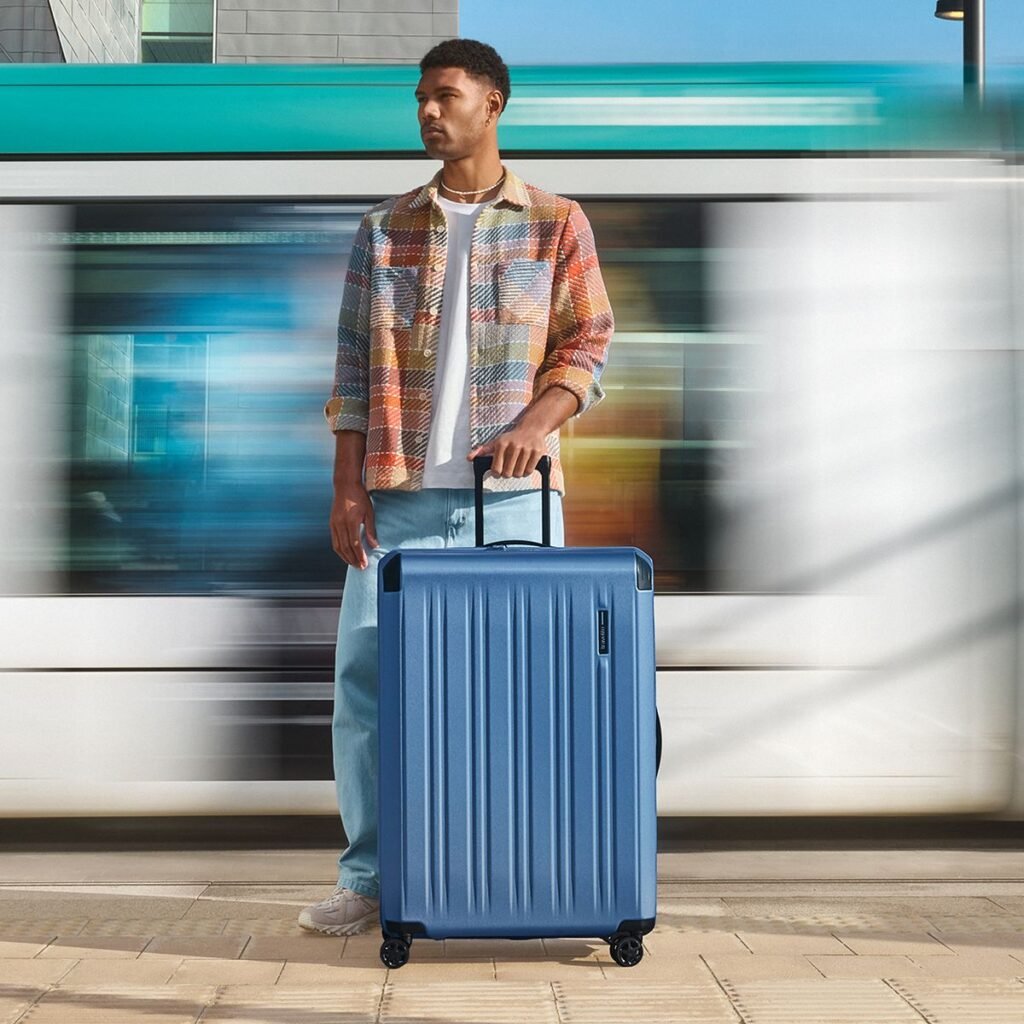
Packing less might sound like a cliché, but it has real environmental and financial impact. The heavier a vehicle (especially airplanes), the more fuel it consumes. Even small weight reductions across many passengers can add up significantly.
From a budget perspective, traveling light also saves baggage fees and reduces the temptation to shop impulsively.
Here’s a simple comparison:
| Packing Style | Average Weight | Environmental Impact | Cost Impact |
|---|---|---|---|
| Heavy luggage | 20–25 kg | High fuel usage | Extra baggage fees |
| Moderate packing | 10–15 kg | Moderate | Occasional fees |
| Minimalist packing | 5–8 kg | Low | No extra cost |
Practical tips:
- Choose versatile clothing
- Stick to neutral colors for mix-and-match outfits
- Use refillable toiletry bottles
- Avoid “just in case” items
Minimalism is not about deprivation—it’s about efficiency.
- Choose slow travel over rushed itineraries
Fast travel—jumping from one destination to another—burns more fuel and drains your wallet. Flights, taxis, and short stays all add up quickly.
Slow travel, on the other hand, means spending more time in fewer places. This approach reduces transportation emissions and allows you to negotiate better accommodation rates.
Budget comparison:
| Travel Style | Transport Cost | Accommodation Cost | Overall Budget |
|---|---|---|---|
| Fast travel | High | High (short stays) | Expensive |
| Slow travel | Low | Discounted (long stays) | Affordable |
Benefits beyond cost:
- Deeper cultural immersion
- Less stress
- Lower environmental footprint
- Use public transportation instead of private rides
Private taxis and ride-hailing services are convenient but expensive and carbon-heavy. Public transport systems—buses, trains, and metros—are significantly more eco-friendly.
Cost and emission comparison:
| Mode of Transport | Cost per km | Carbon Emissions | Sustainability |
|---|---|---|---|
| Taxi | High | High | Low |
| Ride-sharing | Medium | Medium | Moderate |
| Bus/Train | Low | Low | High |
Additional advantages:
- Locals use it, so you get a more authentic experience
- Less traffic congestion
- Easier budgeting
- Stay in eco-conscious accommodations
Hotels are one of the biggest contributors to waste in tourism. However, eco-friendly accommodations are becoming more accessible—and often cheaper.
Look for:
- Guesthouses or homestays
- Eco-lodges
- Hostels with sustainability practices
Comparison table:
| Accommodation Type | Avg Cost | Environmental Impact | Experience Level |
|---|---|---|---|
| Luxury hotels | High | High | Standardized |
| Budget hotels | Medium | Moderate | Basic |
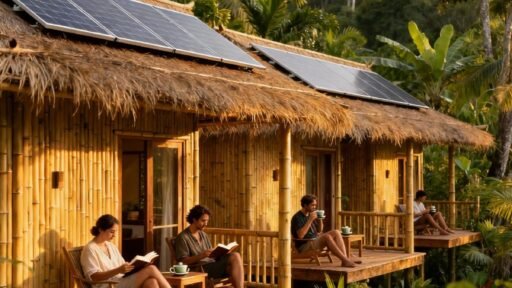
| Eco stays/homestays | Low–Medium | Low | Authentic |
Many eco-stays:
- Use solar energy
- Minimize plastic usage
- Source local food
- Eat local, seasonal food
Food is a hidden part of travel emissions. Imported and processed food carries a heavy environmental cost.
Eating local not only reduces that footprint but also saves money.
Food cost comparison:
| Food Type | Cost Level | Environmental Impact | Freshness |
|---|---|---|---|
| Imported meals | High | High | Moderate |
| Restaurant chains | Medium | Medium | Moderate |
| Local street food | Low | Low | High |
Why this works:
- Local ingredients require less transport
- Seasonal produce is cheaper
- You support local communities
- Carry reusable essentials
Single-use plastics are one of the biggest environmental issues tied to travel. Buying bottled water, plastic cutlery, and packaged snacks adds up—both financially and environmentally.
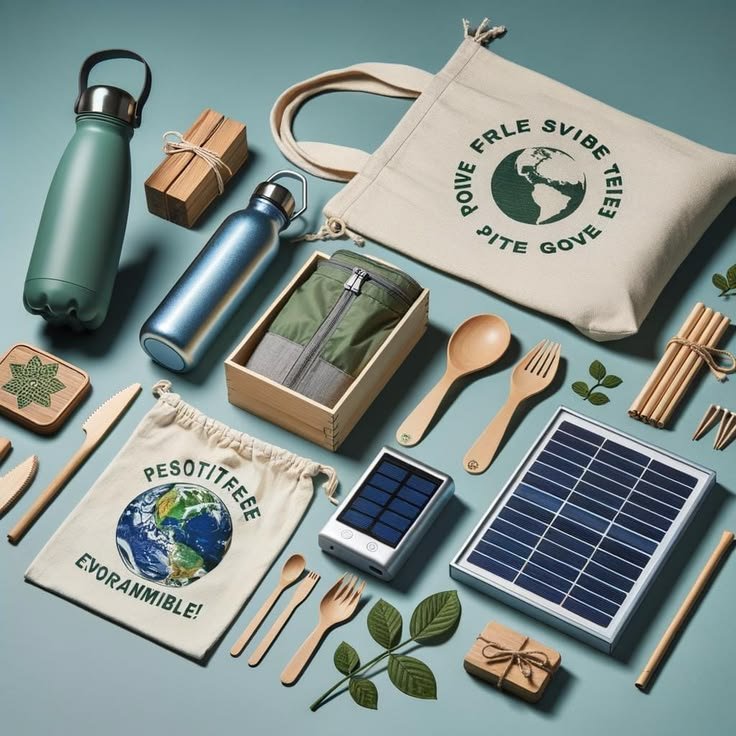
Essential reusable items:
| Item | One-Time Cost | Savings Over Trip | Environmental Benefit |
|---|---|---|---|
| Water bottle | Low | High | Reduces plastic waste |
| Tote bag | Low | Medium | Avoids plastic bags |
| Food container | Medium | Medium | Cuts packaging waste |
| Metal straw | Low | Low | Reduces microplastic |
Over a week-long trip, these items can save a surprising amount of money.
- Travel during off-peak seasons
Peak travel seasons are expensive and overcrowded, leading to higher emissions due to increased demand.
Off-season travel offers:
- Lower prices
- Fewer crowds
- Reduced environmental strain
Seasonal comparison:
| Season | Cost Level | Crowd Density | Environmental Pressure |
|---|---|---|---|
| Peak season | High | High | High |
| Shoulder season | Medium | Moderate | Moderate |
| Off-season | Low | Low | Low |
Bonus: You often get a more authentic experience without the tourist rush.
- Walk or cycle whenever possible
Short-distance travel doesn’t need vehicles. Walking and cycling are the most sustainable forms of transport—and they’re free.
Comparison:
| Transport Mode | Cost | Emissions | Health Benefit |
|---|---|---|---|
| Car | High | High | Low |
| Public transit | Low | Low | Moderate |
| Walking/Cycling | Free | Zero | High |
Hidden benefits:
- Discover hidden spots
- Improve physical health
- Save money effortlessly
- Offset and track your carbon footprint
Even with the best efforts, travel still creates emissions. That’s where carbon offsetting comes in.
Basic concept:
You calculate your emissions and contribute to projects that reduce carbon elsewhere (like tree planting or renewable energy).
Simple breakdown:
| Activity | Avg CO₂ Emission | Offset Cost Estimate |
|---|---|---|
| Short flight | 200–300 kg | Low |
| Long flight | 800–1500 kg | Moderate |
| Road trip | 100–500 kg | Low |
While offsetting isn’t a perfect solution, it’s a step toward responsible travel.
A combined impact overview
Here’s how these tips stack together:
| Tip | Money Saved | Environmental Impact Reduced |
|---|---|---|
| Travel light | Medium | Medium |
| Slow travel | High | High |
| Public transport | High | High |
| Eco accommodations | Medium | High |
| Eat local | Medium | Medium |
| Reusables | Medium | High |
| Off-season travel | High | Medium |
| Walk/cycle | High | High |
| Carbon offsetting | Low | Medium |
Real-life scenario example
Let’s compare two travelers:
| Category | Conventional Traveler | Eco Budget Traveler |
|---|---|---|
| Flights | Multiple | Minimal |
| Transport | Taxis | Public transport |
| Food | Restaurants | Local meals |
| Accommodation | Hotels | Eco stays |
| Total Cost (7 days) | High | 30–50% lower |
| Environmental Impact | High | Significantly lower |
FAQs
- Is eco-friendly travel always cheaper?
Not always, but it often becomes cheaper when you adopt habits like using public transport, eating local food, and avoiding unnecessary purchases. The savings add up over time.
- What is the easiest eco-friendly change to start with?
Carrying a reusable water bottle and avoiding single-use plastics is one of the simplest and most effective starting points.
- Does slow travel really save money?
Yes, because you reduce transportation costs and often get discounts on longer stays. It also minimizes impulsive spending.
- Are eco-friendly accommodations safe and comfortable?
Many eco-friendly stays are not only safe but also more personalized and culturally immersive than traditional hotels.
- How can I calculate my travel carbon footprint?
There are online calculators where you input your travel details (distance, transport type). These tools estimate emissions and suggest offset options.
- Is carbon offsetting enough to make travel sustainable?
Offsetting helps, but it’s not a complete solution. The best approach is to reduce emissions first and then offset what you can’t avoid.
Conclusion
Eco-friendly travel doesn’t require extreme sacrifices or complicated planning. In fact, the most sustainable choices are often the simplest—and the most budget-friendly. From packing lighter to choosing local food and walking instead of driving, each decision creates a ripple effect.
The real shift happens when you stop thinking of sustainability as a restriction and start seeing it as an upgrade. You spend less, experience more, and leave a lighter footprint behind.
And once you travel this way, it’s hard to go back.