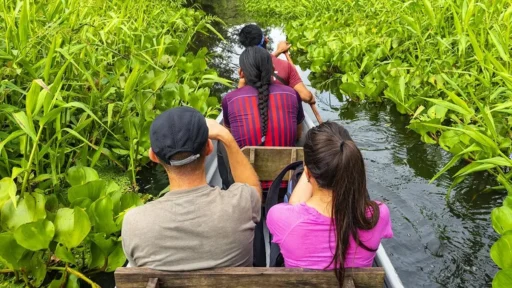



10 Smart Eco-Friendly Travel Budget Moves for Beginners
Traveling the world while staying mindful of both your wallet and the planet might sound complicated at first, but in reality, it becomes second nature once you understand a few core principles. I didn’t learn this from a guidebook or a perfect itinerary. Most of it came from mistakes—overspending on convenience, choosing unsustainable options without realizing, and sometimes paying twice for choices that weren’t thought through.
This guide brings together ten practical, beginner-friendly moves that help you travel smarter, spend less, and reduce your environmental impact at the same time. Along the way, you’ll also find useful tables and structured breakdowns to make planning easier.
- Choose destinations strategically instead of impulsively
One of the earliest mistakes beginners make is picking destinations purely based on trends or social media. The smarter approach is to look at distance, cost of living, and environmental strain.
If you travel closer to home or pick destinations with strong public infrastructure, you automatically reduce both costs and carbon emissions.
Table 1: Destination Planning Comparison
Factor Nearby Destination Long-Haul Destination Travel Cost Low High Carbon Footprint Low High Local Experience High Medium Flexibility High Low
Instead of chasing “must-see” places, think about places that are easier to access and less overcrowded. You’ll spend less and often enjoy more authentic experiences.
- Travel light to reduce costs and impact

Packing light doesn’t just make your trip easier—it also has environmental benefits. Airlines consume more fuel with heavier loads, and travelers with fewer bags are less likely to rely on taxis or additional services.
A simple rule: if you can carry it comfortably for 15 minutes, you’re doing it right.
Chart: Ideal Packing Breakdown
Category Suggested Items Clothing 5–7 versatile pieces Footwear 1–2 pairs Toiletries Travel-sized, reusable bottles Accessories Multi-purpose items only
Traveling light also reduces baggage fees, which can add up quickly, especially for budget airlines.
- Use public transportation as your default

Taxis and ride-hailing apps are convenient, but they can quietly drain your budget. Public transportation, on the other hand, is usually cheaper and significantly more eco-friendly.
Trains, buses, and metros also give you a better feel of local life. You observe routines, hear conversations, and experience the destination beyond tourist zones.
Table 2: Transport Cost Comparison (Average per day)
Mode Cost Range Environmental Impact Taxi High High Ride-sharing Medium-High Medium-High Bus/Metro Low Low Bike Rental Low Very Low
- Stay in eco-conscious accommodations
Accommodation is often the biggest expense. Choosing eco-friendly options doesn’t necessarily mean paying more. In fact, many sustainable accommodations are budget-friendly because they minimize waste and energy use.
Look for:
- Locally owned guesthouses
- Eco-certified hostels
- Small hotels with energy-saving practices
These places often offer a more personal experience compared to large hotel chains.
- Eat local and seasonal food
Food is where both your budget and environmental impact can spiral out of control. Imported foods, packaged snacks, and tourist-oriented restaurants tend to be expensive and less sustainable.
Eating local dishes prepared with seasonal ingredients helps reduce transportation emissions and supports local farmers.
Table 3: Food Spending Comparison
Food Type Cost Level Sustainability Street Food Low High Local Restaurants Medium High Tourist Restaurants High Low Imported Snacks High Low
- Carry reusables instead of buying repeatedly
A reusable water bottle, shopping bag, and food container can make a surprising difference. Not only do they reduce plastic waste, but they also cut down on daily expenses.
Quick Savings Estimate:
Item Avoided Daily Cost Weekly Savings Plastic Bottles $2–5 $14–35 Plastic Bags $1–2 $7–14 Takeaway Boxes $2–4 $14–28
These small changes quickly add up over the course of a trip.
- Plan activities with intention
Instead of booking multiple tours, choose a few meaningful experiences. Many destinations offer free or low-cost activities such as walking tours, hiking trails, or cultural events.
Quality always beats quantity when it comes to travel experiences.
Chart: Activity Planning Model
Type Cost Value Free Walking Tour Low High Museum Entry Medium Medium-High Guided Tour High Medium
- Avoid peak seasons when possible
Traveling during peak seasons increases both costs and environmental strain. Flights, accommodation, and activities become more expensive, and destinations become overcrowded.
Off-season travel offers:
- Lower prices
- Fewer crowds
- More authentic experiences
Table 4: Seasonal Travel Impact
Season Cost Level Crowd Level Experience Quality Peak High High Medium Shoulder Medium Medium High Off-season Low Low High
- Support local businesses instead of global chains
Spending money locally helps communities directly and often provides better value. Local businesses typically have lower overhead costs and more sustainable practices.
Examples include:
- Local markets
- Family-owned cafes
- Independent tour guides
This approach keeps your budget in check while contributing positively to the local economy.
- Track your spending and impact
Finally, awareness is key. When you track your expenses and habits, you start noticing patterns—where you overspend and where you can improve.
Simple tracking system:
Category Daily Budget Actual Spend Food $15 $18 Transport $10 $6 Activities $20 $12
This kind of tracking helps you adjust quickly and stay within budget.
Putting it all together
These ten moves are not about perfection. You don’t have to follow every rule strictly. The goal is to make better choices more often than not. Over time, these small decisions compound into significant savings and a much lighter environmental footprint.
When you combine thoughtful planning with mindful spending, travel becomes less stressful and more rewarding. You begin to notice details, connect with people, and appreciate experiences beyond surface-level attractions.
FAQs
- Is eco-friendly travel more expensive for beginners?
Not necessarily. Many eco-friendly choices, such as using public transport or eating local food, are actually cheaper than conventional options.
- How can I reduce my carbon footprint while flying?
You can choose direct flights, pack light, and travel less frequently but for longer durations to balance your impact.
- Are reusable items really worth carrying?
Yes. They reduce waste and save money over time, especially on longer trips.
- What is the easiest eco-friendly habit to start with?
Switching to public transportation is one of the simplest and most effective changes you can make.
- How do I find eco-friendly accommodations?
Look for certifications, read reviews, and prioritize locally owned properties that highlight sustainable practices.
- Can budget travel still be comfortable?
Absolutely. Comfort comes from planning and smart choices rather than high spending. Many budget options offer excellent value and memorable experiences.
In the end, eco-friendly travel isn’t about restriction—it’s about awareness. Once you start paying attention to how your choices affect both your budget and the environment, you naturally begin to travel in a way that feels smarter, lighter, and more meaningful.