
I didn’t start traveling with sustainability in mind. Like most people, I was focused on convenience—cheap flights, quick itineraries, and ticking off as many places as possible. But over time, something shifted. I began noticing how much I was spending on things that didn’t really improve my experience. At the same time, I became more aware of the waste I was generating and the pressure tourism can put on local communities.
What surprised me most was this: the moment I started making eco-friendly choices, my travel costs dropped—sometimes dramatically. It wasn’t about sacrificing comfort. It was about being intentional.
This isn’t a theoretical guide. These are 13 eco-friendly travel budget tips that genuinely changed how I travel—financially, practically, and mentally. Along the way, you’ll find tables, breakdowns, and real comparisons that show how small decisions add up.
—
- I stopped chasing destinations and started staying longer
There was a time when I believed more destinations meant more value. In reality, it meant more spending.
Every time you move, you pay again—transport, food markups in tourist zones, and sometimes even higher accommodation rates for short stays.
Here’s what changed when I slowed down:
Trip Style | Destinations | Transport Cost | Total Cost (7 days)
Fast-paced | 4 cities | $400 | $1600
Slow travel | 1–2 cities | $150 | $950
Savings: $650
Environmental impact comparison:
Factor | Fast Travel | Slow Travel
Transport frequency | High | Low
Emissions | High | Reduced
Local engagement | Surface-level | Deeper
Staying longer also led to unexpected savings—like weekly discounts and finding local markets instead of tourist restaurants.
—
- I switched to public transport (and sometimes enjoyed it)
At first, public transport felt intimidating in unfamiliar places. But after a few trips, it became second nature—and a major money saver.
Daily transport comparison:
Mode | Daily Cost | Weekly Total
Ride-hailing apps | $25 | $175
Taxi | $30 | $210
Public transport pass | $7 | $49
Savings: $120–$160 per week
There’s also a subtle shift in experience. You see how people actually live. You notice neighborhoods you would have skipped. And you spend less time worrying about fares and more time observing.
—
- I packed less—and stopped buying things I didn’t need
I used to pack “just in case.” That mindset cost me money.
Airline baggage fees alone were enough to change my habits. But the real savings came from avoiding unnecessary purchases.
Packing comparison:
Category | Before | After
Bags | Checked + carry-on | Carry-on only
Clothes | 10 outfits | 5 versatile outfits
Shoes | 3–4 pairs | 1–2 pairs
Cost impact:
Expense | Before | After
Baggage fees | $80 | $0
Impulse buys | $70 | $20
Savings per trip: ~$130
Less weight also meant more freedom—walking instead of taking taxis, moving easily between places, and avoiding stress.
—
- I chose accommodations that matched how I actually live
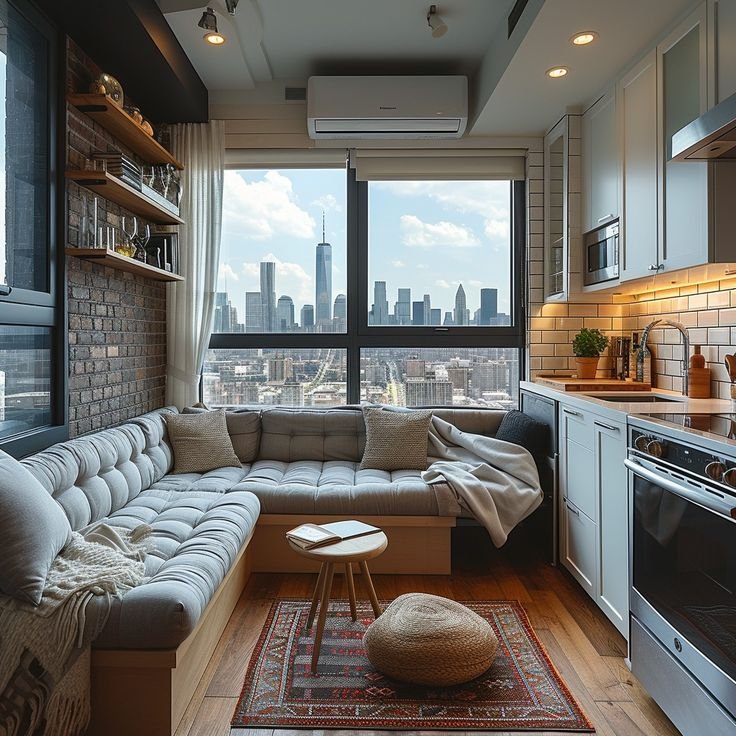
I stopped booking places just because they looked impressive online. Instead, I asked a simple question: do I really need this?
Luxury hotels often include features you barely use—but still pay for.
Accommodation comparison:
Type | Cost/Night | Weekly Total | Notes
Luxury hotel | $150 | $1050 | Pools, services
Mid-range hotel | $80 | $560 | Comfortable
Guesthouse | $40 | $280 | Simple, local
Hostel/private room | $25 | $175 | Budget-friendly
Savings potential: $500–$800 per week
Eco-friendly stays often focus on efficiency—less waste, lower energy use, and minimal excess.
—
- I started cooking occasionally instead of eating out all the time
Food was one of my biggest travel expenses—and one of the easiest to adjust.
I didn’t stop eating out. I just stopped doing it for every meal.
Weekly food budget comparison:
Eating Style | Cost/Day | Weekly Cost
All meals out | $30 | $210
Mixed (cook 1 meal/day) | $20 | $140
Mostly self-cooked | $12 | $84
Savings: up to $126/week
Local markets became part of the experience. Buying fresh bread, fruits, or simple ingredients felt more authentic than sitting in overpriced restaurants every day.
—
- I reduced waste—and realized how much money I was throwing away
It started with a reusable water bottle. Then a tote bag. Then a habit of saying no to things I didn’t need.
Small items add up quickly:
Disposable Item | Daily Cost | Weekly Cost
Bottled water | $2 | $14
Coffee cups | $3 | $21
Plastic bags/snacks | $2 | $14
Total: ~$49/week
Reusable alternatives cost almost nothing after the first purchase.
Environmental impact aside, this was one of the easiest ways to save money without changing my lifestyle drastically.
—
- I traveled off-season—and never looked back
Off-season travel felt like a compromise at first. Fewer crowds, yes—but also uncertainty about weather or availability.
What I discovered was the opposite: better prices, more relaxed environments, and often better service.
Price comparison:
Category | Peak Season | Off-Season
Flights | $700 | $400
Accommodation | $120/night | $70/night
Tours | $60 | $40
Total trip cost:
Season | Total
Peak | $1600
Off-season | $950
Savings: $650
Less crowding also reduces environmental strain on destinations, which makes this choice impactful beyond your own trip.
—
- I stopped relying on flights for short distances
Flights are often marketed as cheap, but once you factor in baggage, transfers, and time, they’re not always the best option.
Transport comparison (short distances):
Mode | Cost | Emissions | Experience
Flight | $100 | High | Rushed
Train | $40 | Low | Scenic
Bus | $25 | Low | Budget-friendly
Choosing trains or buses saved money and added something flights rarely offer—connection to the landscape.
—
- I avoided tourist traps and found local alternatives
Tourist-heavy areas often inflate prices. Walking a few streets away can cut costs dramatically.
Example comparison:
Item | Tourist Area | Local Area
Meal | $15 | $5
Coffee | $5 | $2
Souvenirs | $20 | $8
Daily savings: ~$20
Weekly savings: ~$140
This wasn’t just about saving money—it changed how I experienced places. Things felt more real, less staged.
—
- I learned to travel with fewer “activities” and more presence
I used to book tours for everything. Guided experiences, entrance fees, packages—it added up quickly.
Now I mix paid activities with free exploration.
Activity cost comparison:
Type | Cost
Guided tours (daily) | $50–$100
Mixed (2–3 paid + free days) | $150 total/week
Mostly free exploration | $0–$50/week
Savings: up to $300/week
Free activities often turned out to be the most memorable—walking, observing, sitting in a park, or simply wandering.
—
- I supported local businesses instead of global chains
This shift was subtle but important. Local businesses often offer better prices because they don’t carry the overhead of large brands.
Cost comparison:
Business Type | Average Price
Global chain café | $6
Local café | $2.50
Over a week, that difference adds up quickly.
There’s also a multiplier effect—your money stays within the local economy.
—
- I tracked my spending (without obsessing over it)
I didn’t create strict budgets. I just became aware.
Simple tracking example:
Category | Budget | Actual | Difference
Food | $150 | $120 | +$30 saved
Transport | $100 | $70 | +$30 saved
Extras | $80 | $50 | +$30 saved
Total saved: $90/week
Awareness alone often reduces unnecessary spending.
—
- I redefined what “value” means in travel
This was the biggest change. I stopped equating cost with quality.
Expensive doesn’t always mean better. Sometimes it just means more marketed.
Value comparison:
Experience | Cost | Satisfaction
Luxury dinner | $80 | Medium
Street food meal | $5 | High
Guided tour | $60 | Medium
Self-exploration | Free | High
This mindset shift reduced both spending and environmental impact without feeling like a sacrifice.
—
Combined savings overview
When I combined all these habits, the difference was clear.
Category | Before | After
Transport | $400 | $150
Accommodation | $900 | $350
Food | $300 | $150
Activities | $300 | $100
Total | $1900 | $750
Savings: $1150 per trip
—
Environmental impact snapshot
Factor | Before | After
Waste generated | High | Low
Transport emissions | High | Reduced
Local support | Limited | Strong
Resource use | High | Moderate
—
Simple visual breakdown of savings distribution
Category Contribution to Savings (%):
Transport: ██████████ 30%
Accommodation: ███████████████ 40%
Food: ███████ 15%
Activities: █████ 10%
Other: ██ 5%
—
What actually changed for me
The biggest surprise wasn’t the savings—it was how different travel felt.
I became less rushed. Less focused on checking boxes. More aware of where I was and how I was moving through it.
Eco-friendly travel didn’t limit my experience. It refined it.
—
FAQs
- Is eco-friendly travel always cheaper than traditional travel?
Not in every single choice, but overall it tends to reduce costs significantly. The biggest savings usually come from transportation, accommodation, and food. - How do I start traveling more sustainably without changing everything at once?
Start small. Carry a reusable water bottle, use public transport, and try staying in locally owned accommodations. These changes are easy and immediately impactful. - Does slow travel work for short trips?
Yes. Even choosing one destination instead of multiple can save money and reduce stress, making the trip more enjoyable. - Are eco-friendly accommodations reliable and comfortable?
Many are. Guesthouses, hostels, and homestays often provide everything you need, just without unnecessary luxury. - How much can I realistically save using these tips?
Savings vary, but many travelers reduce their total costs by 30% to 60% when applying multiple strategies. - Is it harder to plan eco-friendly travel?
Not really. Once you understand the basics—like choosing local options and reducing unnecessary consumption—it becomes second nature.
—
Travel didn’t become cheaper because I tried to spend less. It became cheaper because I started making better decisions. The eco-friendly path turned out to be the practical one.
And once you experience that shift, it’s hard to go back.