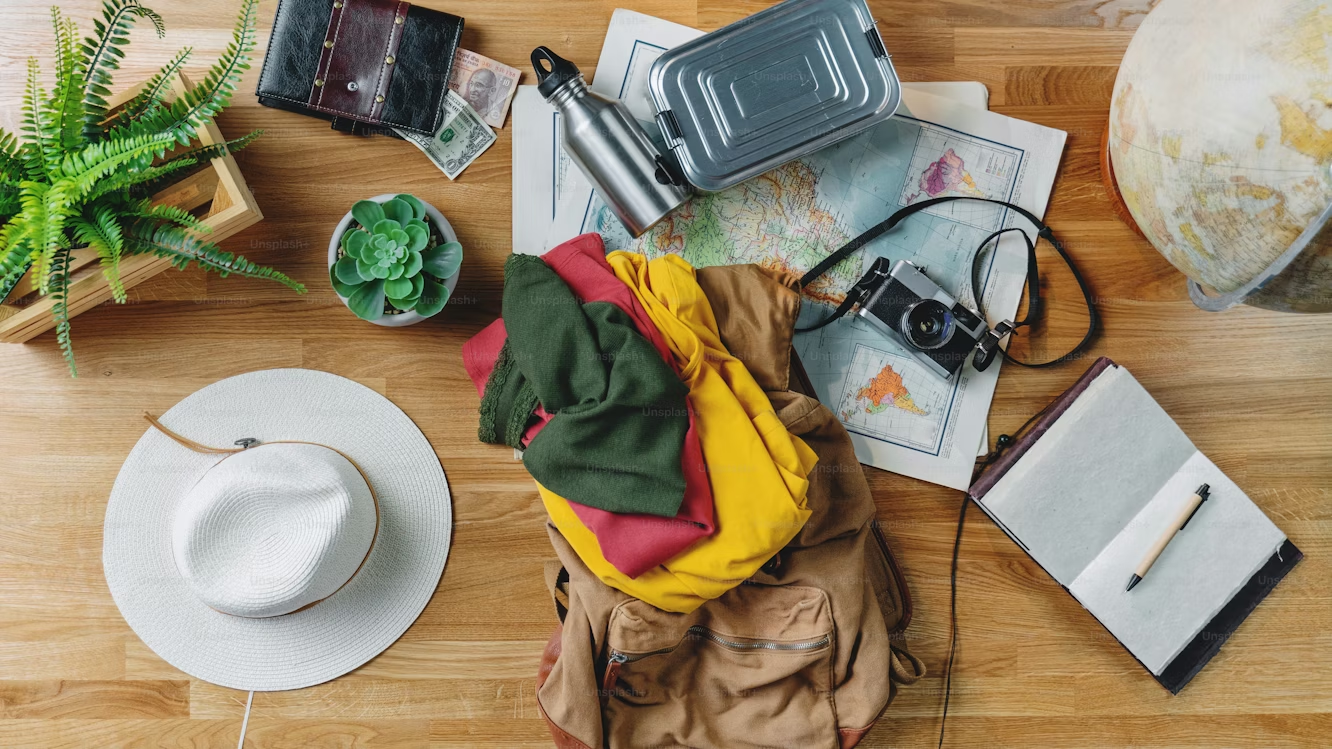
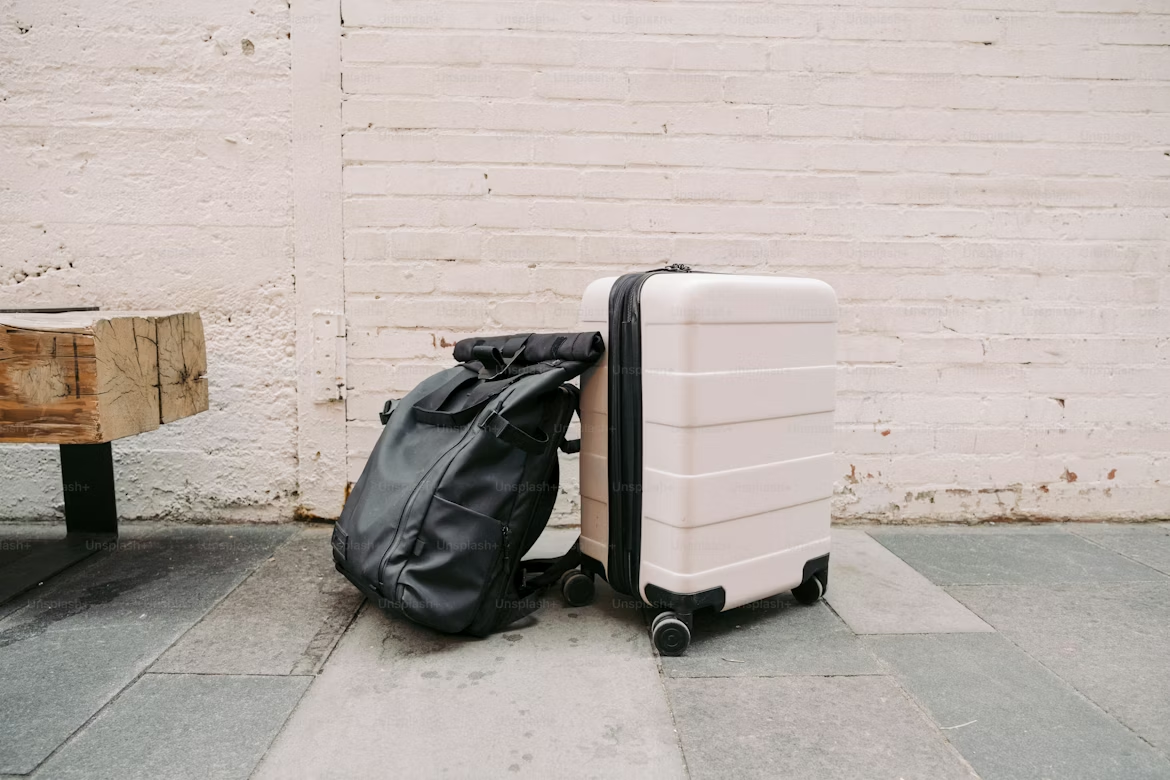

Packing seems simple—until it isn’t. Most travelers only realize their mistakes when they’re already on the road: dragging a heavy suitcase across uneven streets, buying things they already own but forgot, or throwing away items that seemed useful at home but became pointless during the trip.
For a long time, my packing habits were driven by fear—fear of not having enough, fear of inconvenience, fear of uncertainty. Ironically, that mindset led to more waste, more spending, and more stress. Over time, through missed connections, broken zippers, and unnecessary purchases, I began to refine how I pack.
What follows are eleven eco-friendly travel packing tips shaped not by theory, but by experience—the kind you only gain after getting it wrong a few times.
- packing more doesn’t make you prepared—it makes you inefficient
I used to believe that being prepared meant having options. Extra shoes, backup outfits, “just in case” items. The result was a suitcase that felt like it belonged to someone moving countries rather than traveling for a week.
The turning point came during a trip where I had to carry my luggage up multiple flights of stairs because there was no elevator. That’s when I realized: every extra item has a cost.
packing efficiency comparison:
| Packing Style | Bag Weight | Items Used (%) | Mobility | Environmental Impact |
|---|---|---|---|---|
| Overpacking | 22 kg | 50% | Low | High |
| Intentional Pack | 9 kg | 90% | High | Low |
lesson learned:
Every unused item represents wasted space, unnecessary weight, and often unnecessary consumption. Packing less is not about sacrifice—it’s about precision.
- fast fashion travel outfits create more problems than solutions
On one trip, I bought several cheap outfits specifically for travel. They looked good in photos but didn’t last long. Within a few washes, they lost shape, and some ended up in the trash before the trip even ended.
That experience changed how I view travel clothing.
clothing comparison:
| Clothing Type | Cost | Durability | Reusability | Waste Generated |
|---|---|---|---|---|
| Fast Fashion | Low | Low | Limited | High |
| Quality Basics | Medium | High | Long-term | Low |
lesson learned:
Fewer, higher-quality items outperform a suitcase full of disposable clothing. Choose pieces that can be worn in multiple combinations and across different settings.
- forgetting reusables leads to constant small purchases
I once spent an entire week buying bottled water, plastic bags, and takeaway containers simply because I didn’t pack basic reusable items.
It didn’t feel expensive at the moment—but by the end of the trip, it added up.
weekly cost breakdown:
| Item Type | Without Reusables | With Reusables |
|---|---|---|
| Bottled Water | $18 | $3 |
| Plastic Bags | $6 | $0 |
| Food Packaging | $12 | $4 |
| Total | $36 | $7 |
waste impact:
| Waste Item | Units per Week (Without) | Units per Week (With) |
|---|---|---|
| Plastic Bottles | 12–18 | 2–3 |
| Plastic Bags | 10–15 | 0–2 |
lesson learned:
A small reusable kit—bottle, tote bag, utensils—can dramatically reduce both waste and spending.
- packing full-size toiletries is unnecessary and wasteful
Early on, I packed full-size shampoo, conditioner, and body wash bottles. Not only did they take up space, but I rarely used all of them. Sometimes they leaked, ruining other items.
Switching to smaller, reusable containers and solid toiletries changed everything.
toiletry comparison:
| Option | Space Used | Waste Generated | Convenience |
|---|---|---|---|
| Full-size bottles | High | High | Low |
| Travel-size plastic | Medium | Moderate | Medium |
| Refillable/solid | Low | Minimal | High |
lesson learned:
Solid toiletries and refillable containers are lighter, cleaner, and more sustainable.
- “just in case” items rarely justify their space
There’s always that one item you pack thinking you might need it. For me, it was an extra pair of shoes and a bulky jacket—neither of which I used.
overpacking analysis:
| Item Category | Packed | Used | Worth It? |
|---|---|---|---|
| Extra Shoes | Yes | No | No |
| Heavy Jacket | Yes | No | No |
| Multi-use Scarf | Yes | Yes | Yes |
lesson learned:
If an item serves only one purpose and you’re unsure you’ll need it, it probably doesn’t belong in your bag. Prioritize versatility over possibility.
- ignoring laundry options leads to overpacking
I used to pack enough clothes for the entire trip, assuming I wouldn’t have access to laundry. In reality, most destinations offer affordable laundry services or simple ways to wash clothes.
laundry vs packing comparison:
| Approach | Clothes Packed | Bag Weight | Cost | Flexibility |
|---|---|---|---|---|
| No Laundry Plan | 10–12 outfits | High | $0 | Low |
| Laundry Included | 5–6 outfits | Low | $10–$20 | High |
lesson learned:
Planning to do laundry allows you to pack significantly less, reducing both weight and environmental impact.
- poor bag choice creates long-term problems
Not all luggage is equal. I once chose a cheap suitcase that broke mid-trip, forcing me to buy another one. That’s double the cost and double the waste.
luggage comparison:
| Bag Type | Initial Cost | Lifespan | Repairability | Sustainability |
|---|---|---|---|---|
| Cheap Suitcase | Low | Short | Low | Poor |
| Quality Backpack | Medium | Long | High | Good |
lesson learned:
A durable, well-designed bag is an investment. It reduces the need for replacements and improves overall travel efficiency.
- packing without a system leads to chaos and waste
There was a time when I packed everything randomly. Finding items became frustrating, and I often ended up buying duplicates because I couldn’t locate what I already had.
Using packing cubes and organizing by category made a noticeable difference.
organization impact:
| Packing Method | Time to Find Items | Duplicate Purchases | Stress Level |
|---|---|---|---|
| Unorganized | High | Frequent | High |
| Organized System | Low | Rare | Low |
lesson learned:
An organized bag reduces the likelihood of unnecessary purchases and wasted time.
- overpacking electronics increases energy use and risk
I used to carry multiple devices—laptop, tablet, camera, extra chargers. In reality, I used only a fraction of them.
electronics usage:
| Device | Packed | Used | Necessary? |
|---|---|---|---|
| Laptop | Yes | Rarely | No |
| Tablet | Yes | No | No |
| Smartphone | Yes | Yes | Yes |
lesson learned:
Stick to essential electronics. Fewer devices mean less energy consumption, less weight, and less risk of damage or loss.
- ignoring local availability leads to unnecessary packing
I once packed items that were easily available at the destination—basic toiletries, snacks, even a towel.
availability comparison:
| Item Type | Packed Cost | Local Cost | Better Option |
|---|---|---|---|
| Toiletries | $0 (owned) | $3–$5 | Buy locally if needed |
| Snacks | $10 | $5 | Buy fresh locally |
| Towels | Bulky | Often provided | Don’t pack |
lesson learned:
Research your destination. Many items can be purchased locally if needed, often at low cost.
- packing without reflection leads to repeated mistakes
Perhaps the most important lesson came from not learning from past trips. I would make the same packing mistakes repeatedly because I never reviewed what worked and what didn’t.
post-trip reflection example:
| Category | Packed | Used | Adjust Next Time |
|---|---|---|---|
| Clothing | 12 | 7 | Pack 8 |
| Toiletries | 8 | 5 | Reduce |
| Gadgets | 5 | 2 | Simplify |
lesson learned:
After each trip, take a few minutes to evaluate your packing. Over time, this creates a system that works specifically for you.
combined packing impact overview
When these lessons are applied together, the difference becomes clear.
before vs after packing approach:
| Category | Before (Overpacked) | After (Optimized) |
|---|---|---|
| Bag Weight | 22 kg | 9 kg |
| Extra Purchases | $80 | $20 |
| Waste Generated | High | Low |
| Mobility | Difficult | Easy |
environmental impact summary:
| Metric | Before | After |
|---|---|---|
| Plastic Waste | High | Minimal |
| Energy Use | High | Reduced |
| Resource Usage | High | Lower |
final thoughts
Packing is not just about what you bring—it’s about how you think. Each item reflects a decision, and each decision carries consequences. Over time, those choices shape not only your travel experience but also your environmental impact.
The goal isn’t to pack perfectly. It’s to pack consciously. To understand that less can be more—not just in theory, but in practice.
Once you experience the freedom of traveling light, with everything you need and nothing you don’t, it becomes difficult to go back.
frequently asked questions
- what is the most important eco-friendly packing item?
A reusable water bottle is one of the most impactful items. It reduces plastic waste and saves money daily.
- how do i decide what not to pack?
Ask yourself if the item serves multiple purposes and how likely you are to use it. If the answer is uncertain, leave it behind.
- are packing cubes necessary?
They’re not essential, but they help organize your bag, reduce stress, and prevent unnecessary purchases.
- how can i pack light without sacrificing comfort?
Focus on versatile clothing, plan for laundry, and prioritize essentials over “just in case” items.
- is it better to buy items locally or bring everything?
For basic items, buying locally can be more practical and reduces overpacking.
- how long does it take to develop good packing habits?
It usually takes a few trips. Reflection after each journey helps refine your approach over time.
In the end, the best packing system is not the one that looks perfect—it’s the one that works consistently, reduces waste, and allows you to move through the world with ease.