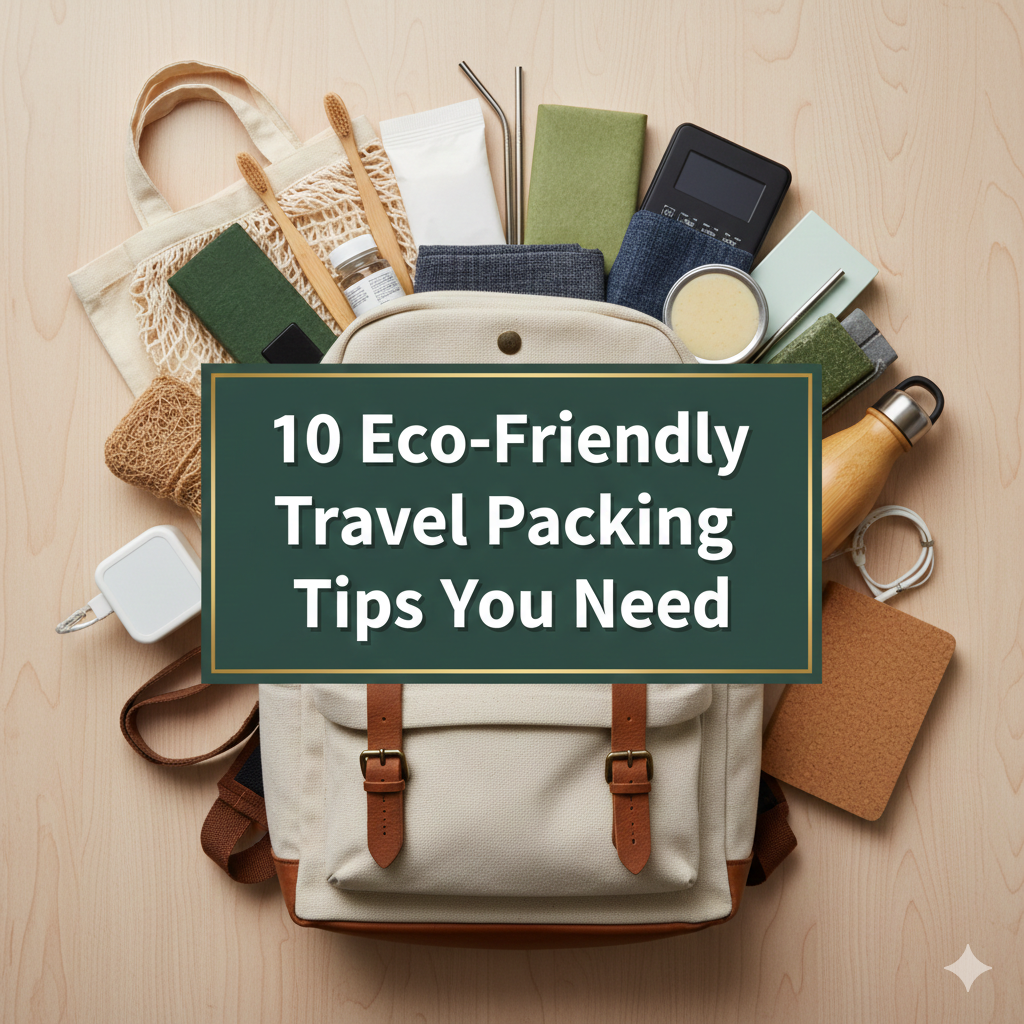



Packing used to be the most rushed part of my trips. I’d throw things into a bag the night before, convinced I was prepared. But somewhere between leaking toiletries, unnecessary purchases, and mountains of plastic waste, I realized that how you pack shapes your entire travel experience.
The shift toward eco-friendly packing didn’t happen overnight. It came from small frustrations—buying overpriced bottled water at airports, forgetting basics and replacing them with disposable versions, and dealing with clutter that made every move harder than it needed to be.
Over time, I refined what I carry. Not more—just better. What follows isn’t a minimalist fantasy or a rigid checklist. It’s a practical set of 12 essentials that balance sustainability, convenience, and cost.
- Reusable water bottle
This was the first item that truly changed my travel habits. Before I started carrying one, I didn’t realize how much I relied on single-use plastic bottles.
Now, a sturdy reusable bottle goes everywhere with me. Airports, train stations, hotels—most places have refill options if you look for them.
Benefits:
- Cuts daily expenses on bottled water
- Reduces plastic waste significantly
- Encourages better hydration habits
Table: Water consumption cost comparison (7-day trip)
| Scenario | Daily Cost | Weekly Cost | Waste Generated |
|---|---|---|---|
| Bottled water (3/day) | $3–5 | $21–35 | High |
| Reusable bottle (refill) | $0–1 | $0–7 | Minimal |
- Foldable tote or shopping bag
It sounds simple, but a foldable tote has saved me from countless unnecessary plastic bags. Whether it’s groceries, souvenirs, or laundry, it adapts to almost anything.
Why it matters:
- Lightweight and compact
- Eliminates repeated bag purchases
- Useful beyond shopping (beach bag, day bag, etc.)
- Refillable toiletry containers
Travel-sized toiletries are convenient—but they come with a hidden cost: waste. Those tiny plastic bottles pile up quickly.
Switching to refillable containers allows you to bring exactly what you need.
Table: Toiletry waste comparison
| Type | Plastic Use | Cost Efficiency | Convenience |
|---|---|---|---|
| Disposable minis | High | Low | Medium |
| Refillable containers | Low | High | High |
- Solid toiletries (soap, shampoo bars)
Liquid products often require plastic packaging and are prone to spills. Solid alternatives solve both problems.
Examples:
- Shampoo bars
- Soap bars
- Solid deodorants
They last longer, weigh less, and eliminate the need for plastic bottles.
Chart: Product lifespan comparison
| Product Type | Average Uses | Packaging Waste |
|---|---|---|
| Liquid shampoo | 20–30 uses | High |
| Shampoo bar | 50–80 uses | Low |
- Bamboo or reusable cutlery set
I used to rely on disposable forks and spoons during transit. It seemed harmless until I realized how often I used them.
A compact reusable cutlery set:
- Reduces single-use plastic
- Works for street food and takeaways
- Often includes a straw and cleaning brush
- Travel mug or reusable cup
Coffee on the go is part of many travel routines. But disposable cups—especially those lined with plastic—are rarely recyclable.
Carrying a travel mug:
- Saves money in places offering discounts for reusable cups
- Reduces waste
- Keeps drinks hot longer
Table: Coffee habit impact (10 days)
| Habit | Cost | Waste Generated |
|---|---|---|
| Disposable cups | $30–50 | High |
| Reusable mug | $15 one-time | Minimal |
- Quick-dry towel
This was one of those items I didn’t think I needed—until I did. Traditional towels are bulky and slow to dry, which can lead to frequent washing or hotel replacements.
Quick-dry towels:
- Take up less space
- Dry faster (reducing odor and bacteria)
- Reduce laundry frequency
- Eco-friendly travel clothing
Packing sustainably isn’t just about how much you bring—it’s about what you bring.
Look for:
- Durable fabrics
- Multi-use items
- Clothing that requires less frequent washing
Table: Clothing efficiency comparison
| Clothing Type | Wash Frequency | Durability | Packing Space |
|---|---|---|---|
| Fast fashion | High | Low | Medium |
| Sustainable wear | Low | High | Low |
- Portable laundry kit
Doing small loads of laundry during a trip reduces the need to pack excessive clothing.
Basic kit:
- Travel detergent sheets
- Sink stopper
- Small clothesline
This simple setup:
- Saves money on laundry services
- Reduces overpacking
- Extends clothing lifespan
- Solar-powered or energy-efficient charger
Charging devices is unavoidable, but how you do it matters.
Solar or energy-efficient chargers:
- Reduce reliance on electricity
- Useful in remote areas
- Lower overall energy consumption
Chart: Charging options comparison
| Charging Type | Energy Source | Eco Impact |
|---|---|---|
| Standard charger | Grid electricity | Medium |
| Solar charger | Renewable energy | Low |
- Reusable food container
Food waste and takeaway packaging are common during travel. A reusable container changes that.
Uses:
- Leftovers from meals
- Packed lunches
- Snacks on the go
It reduces waste and helps manage food portions more efficiently.
- Compact first-aid and essentials kit
Buying items individually during travel often leads to unnecessary packaging and higher costs.
A small kit with:
- Bandages
- Basic medication
- Reusable cloth wipes
This avoids last-minute purchases and reduces waste.
Combined packing efficiency overview
| Essential Category | Cost Saving Potential | Waste Reduction Impact | Convenience Level |
|---|---|---|---|
| Reusable items | High | High | High |
| Solid toiletries | Medium | High | Medium |
| Clothing | Medium | Medium | High |
| Energy solutions | Low | Medium | Medium |
Visual breakdown of packing priorities
| Priority Level | Items Included | Reason |
|---|---|---|
| Must-have | Water bottle, tote bag, toiletries | Daily essentials |
| High value | Cutlery, mug, food container | Frequent use |
| Situational | Solar charger, laundry kit | Depends on trip type |
Lessons learned from experience
Looking back, most of my packing mistakes came from two assumptions: that I needed more than I actually did, and that convenience justified waste.
Neither turned out to be true.
Carrying eco-friendly essentials didn’t complicate my trips—it simplified them. I spent less time buying things, less money replacing them, and less energy managing clutter.
FAQs
- Are eco-friendly travel essentials expensive?
Not necessarily. Most are one-time purchases that save money over multiple trips.
- What is the most important item to start with?
A reusable water bottle is the easiest and most impactful starting point.
- Do solid toiletries really work as well as liquids?
Yes, and in many cases they last longer and are easier to carry.
- How do I keep my packing minimal but effective?
Focus on multi-use items and avoid duplicates. Pack for flexibility, not “just in case” scenarios.
- Are solar chargers reliable for travel?
They work best in sunny environments and as backup power sources rather than primary chargers.
- Can eco-friendly packing work for all types of travel?
Yes. Whether it’s a short trip or long journey, these essentials can be adapted to fit different needs.
Packing isn’t just preparation—it’s a decision-making process that shapes your travel experience. Each item you bring has a purpose, a cost, and an impact.
Over time, I’ve realized that packing smarter doesn’t mean sacrificing comfort. It means choosing items that work harder, last longer, and leave less behind.
And once you experience that kind of travel—lighter, simpler, more intentional—it’s hard to go back.