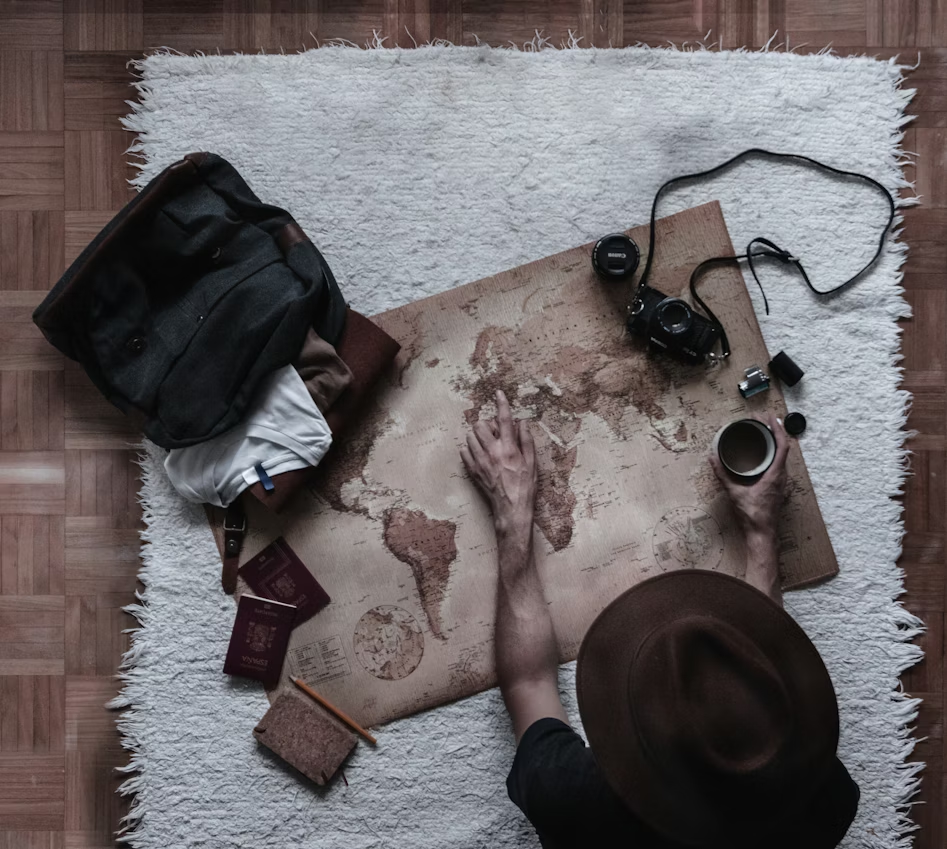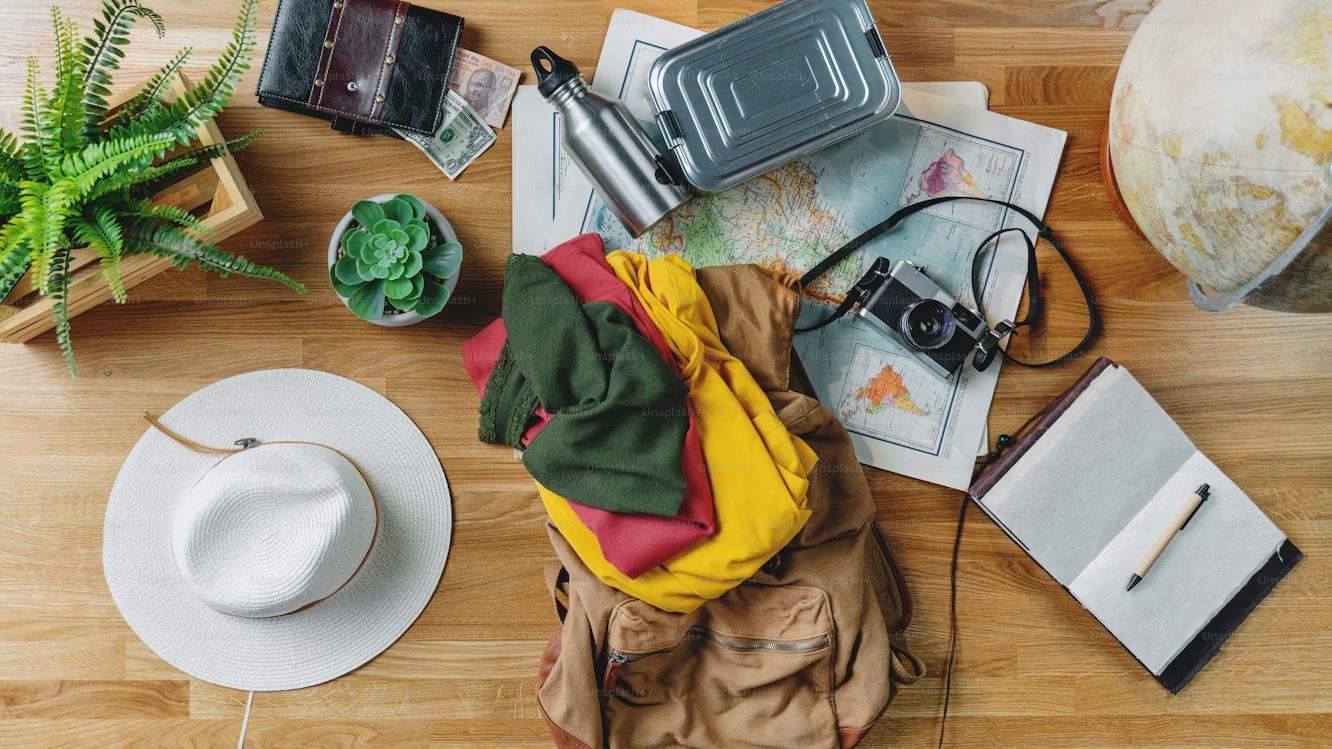


There’s a moment before every trip that feels almost ceremonial. The bag is open, the checklist is half-remembered, and decisions start piling up: what to bring, what to leave behind, what might be useful, what might be unnecessary. Most people approach packing as a question of convenience. But over time, I’ve realized it’s something more powerful—it’s the foundation of how you’ll travel.
If your goal is a zero-waste trip, packing isn’t just preparation. It’s strategy.
Every item you carry either reduces your dependence on disposable alternatives or quietly contributes to the problem. The right setup makes sustainable travel effortless. The wrong one makes it nearly impossible.
This guide walks through nine essential eco-friendly packing tips I’ve refined through trial, error, and long stretches on the road. You’ll also find practical tables, comparisons, and breakdowns to help you build a system that works—not just in theory, but in real life.
- pack a core set of reusable essentials
The simplest way to avoid waste while traveling is to eliminate the need for single-use items altogether. That starts with a compact, reliable set of reusables.
Think of this as your “zero-waste toolkit.”
| Item | Purpose | Waste Avoided per Week |
|---|---|---|
| Reusable water bottle | Refill instead of buying bottles | 7–14 plastic bottles |
| Travel mug | Coffee/tea on the go | 5–10 disposable cups |
| Metal utensils | Eating anywhere | 10–15 plastic sets |
| Food container | Takeaway/storage | 5–10 containers |
| Cloth tote bag | Shopping/laundry | 10–20 plastic bags |
These aren’t luxury items—they’re problem solvers. Once they become part of your routine, you stop needing to think about waste.
Cost comparison over a 2-week trip:
| Category | Disposable Approach | Reusable Approach |
|---|---|---|
| Bottled drinks | $30 | $5 |
| Coffee cups | $20 | $0 |
| Packaging waste | $25 | $10 |
| Total | $75 | $15 |
The savings are nice, but the reduction in waste is the real win.
- choose multi-purpose clothing to minimize load
Packing more doesn’t make travel easier—it makes it heavier, more expensive, and less flexible. A smaller wardrobe built around versatility is the smarter approach.
The goal is to create combinations, not outfits.
Example packing comparison:
| Packing Style | Number of Items | Outfit Combinations | Weight | Laundry Frequency |
|---|---|---|---|---|
| Overpacking | 25+ | High | Heavy | Low |
| Balanced packing | 12–18 | Medium | Medium | Medium |
| Minimalist packing | 8–12 | High | Light | Moderate |
Key strategies:
- Stick to neutral colors
- Choose quick-dry fabrics
- Layer instead of packing bulky items
- Prioritize durability
Less clothing also means fewer bags, fewer transport emissions, and fewer decisions each day.
- switch to solid toiletries and refillables
Liquid toiletries are one of the biggest sources of travel waste. Small plastic bottles, hotel miniatures, and travel-size containers quickly pile up.
Solid alternatives solve most of these issues.
Comparison:
| Product Type | Traditional Version | Eco-Friendly Alternative |
|---|---|---|
| Shampoo | Plastic bottle | Shampoo bar |
| Soap | Liquid body wash | Bar soap |
| Toothpaste | Tube | Toothpaste tablets |
| Lotion | Plastic container | Refillable container |
Benefits:
| Factor | Liquid Toiletries | Solid/Reusables |
|---|---|---|
| Waste | High | Low |
| Leakage risk | High | None |
| Travel convenience | Medium | High |
Long-term cost comparison (30 days):
| Category | Disposable | Refillable |
|---|---|---|
| Toiletries | $40 | $20 |
| Packaging waste | High | Low |
It’s a small shift that makes a big difference over time.
- build a lightweight food kit for flexibility
Food waste during travel often comes from a lack of preparation. When you don’t have basic tools, you rely on packaged meals and disposable containers.
A simple food kit changes that.
Suggested setup:
| Item | Use Case |
|---|---|
| Compact container | Leftovers/takeaway |
| Foldable cup | Drinks/snacks |
| Small knife/spoon | Basic food prep |
| Cloth napkin | Replace paper napkins |
Weekly impact:
| Scenario | Packaging Waste | Food Cost |
|---|---|---|
| No food kit | High | High |
| Partial setup | Medium | Medium |
| Full food kit | Low | Low |
This setup also allows you to buy from local markets, reducing reliance on processed food.
- avoid single-use “just in case” items
A common packing mistake is preparing for every possible scenario. While it feels practical, it often leads to unnecessary items that go unused—and sometimes get thrown away.
Typical examples:
- Disposable rain ponchos
- Extra plastic-wrapped products
- Single-use travel kits
Efficiency comparison:
| Packing Approach | Items Used (%) | Waste Generated | Bag Weight |
|---|---|---|---|
| Over-prepared | 50–60% | High | Heavy |
| Thoughtful packing | 80–90% | Low | Light |
Instead of packing for unlikely situations, plan to adapt:
- Buy locally if needed
- Share or borrow when possible
- Choose reusable over disposable
Flexibility beats over-preparation every time.
- choose durable, long-lasting gear
Cheap gear often fails quickly, leading to replacements and waste. Investing in durable items reduces both environmental impact and long-term cost.
Durability comparison:
| Item Type | Cheap Version Lifespan | Durable Version Lifespan |
|---|---|---|
| Backpack | 1–2 trips | 5+ years |
| Water bottle | 1–2 months | Years |
| Travel shoes | 3–6 months | 1–2 years |
Cost over time:
| Category | Cheap Gear (1 year) | Durable Gear (1 year) |
|---|---|---|
| Replacements | $200 | $80 |
| Waste generated | High | Low |
Durable gear isn’t about spending more—it’s about spending smarter.
- digitize where possible to reduce paper waste
Travel often involves paper—tickets, itineraries, maps, receipts. While some of it is unavoidable, much of it isn’t.
Digital alternatives:
| Item | Traditional Format | Digital Alternative |
|---|---|---|
| Boarding passes | Printed | Mobile pass |
| Maps | Paper | Offline apps |
| Guidebooks | Physical | E-books |
| Notes | Notebook | Phone apps |
Environmental and practical benefits:
| Factor | Paper-Based | Digital |
|---|---|---|
| Waste | High | Low |
| Convenience | Medium | High |
| Accessibility | Limited | Instant |
You also reduce the risk of losing important documents.
- pack a small repair and maintenance kit
Things break. Buttons fall off, bags tear, shoes wear out. Without basic repair tools, these small issues turn into waste.
Essential repair kit:
| Item | Purpose |
|---|---|
| Needle and thread | Clothing repairs |
| Safety pins | Quick fixes |
| Duct tape | Temporary repairs |
| Multi-tool | General fixes |
Impact comparison:
| Scenario | Waste Generated | Cost |
|---|---|---|
| No repair kit | High | High |
| Basic repair kit | Low | Low |
Fixing instead of replacing is one of the most underrated sustainability practices.
- weigh and audit your bag before departure
This is the final—and often overlooked—step.
Before leaving, take a moment to review everything:
- Do you actually need it?
- Will you use it multiple times?
- Does it replace a disposable alternative?
Packing audit example:
| Item Category | Packed | Used (Trip Avg) | Keep or Remove |
|---|---|---|---|
| Clothing | 15 | 10 | Reduce |
| Gadgets | 6 | 3 | Reduce |
| Reusables | 5 | 5 | Keep |
| Misc items | 10 | 4 | Reduce |
Final weight comparison:
| Packing Style | Total Weight | Mobility | Waste Potential |
|---|---|---|---|
| Overpacked | 15–20 kg | Low | High |
| Optimized | 7–10 kg | High | Low |
Packing is not just about fitting things into a bag—it’s about designing how you’ll live on the road.
combined zero-waste packing impact overview
| Tip | Waste Reduction | Cost Savings | Ease of Implementation |
|---|---|---|---|
| Reusable essentials | High | High | Easy |
| Minimal clothing | Medium | Medium | Medium |
| Solid toiletries | High | Medium | Easy |
| Food kit | High | High | Medium |
| Avoiding disposables | Medium | Medium | Easy |
| Durable gear | High | High | Medium |
| Digital alternatives | Medium | Low | Easy |
| Repair kit | Medium | Medium | Easy |
| Packing audit | High | Medium | Easy |
realistic 30-day zero-waste packing outcome
| Category | Conventional Packing | Zero-Waste Packing |
|---|---|---|
| Plastic waste | High | Minimal |
| Packing weight | Heavy | Light |
| Daily expenses | Higher | Lower |
| Convenience | Medium | High |
frequently asked questions
- Is zero-waste travel packing realistic for beginners?
Yes. You don’t need to do everything at once. Start with reusable essentials and gradually replace disposable habits.
- Do reusable items make luggage heavier?
Slightly, but they often replace multiple disposable items, making your overall packing more efficient.
- Are solid toiletries effective compared to liquid ones?
In most cases, yes. They perform just as well and last longer, with the added benefit of reducing waste.
- What if I forget something important?
Buy locally when needed. It’s often more sustainable than overpacking “just in case” items.
- How do I maintain zero-waste habits in countries with limited recycling?
Focus on reducing and reusing rather than recycling. Avoid creating waste in the first place.
- Is zero-waste travel more expensive?
Not in the long run. While some items have an upfront cost, they quickly pay for themselves through reduced daily expenses.
final thoughts
Packing is where sustainable travel begins. Not at the airport, not at the destination—but right there, in the quiet moment before you leave.
When you pack with intention, you remove friction from every decision that follows. You stop relying on convenience. You start moving with awareness.
And over time, something shifts. Travel becomes lighter—not just in what you carry, but in how you move through the world.
Less waste. Less stress. More clarity.
That’s the real goal.