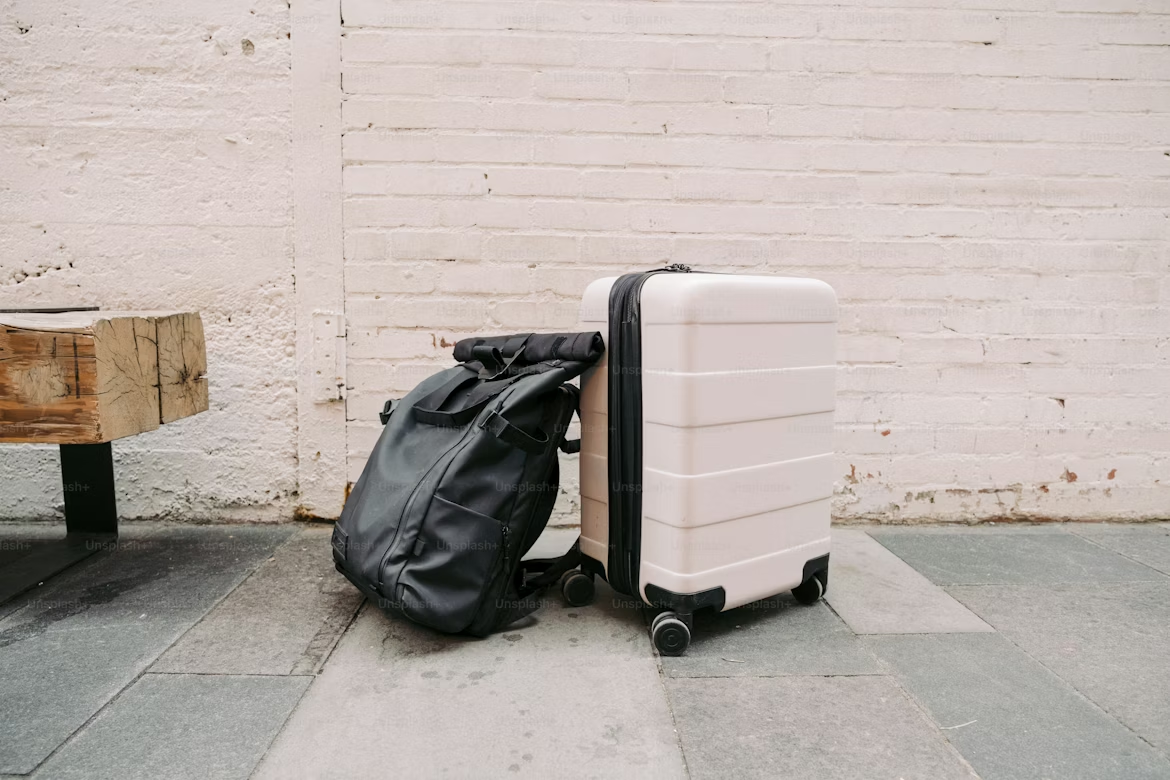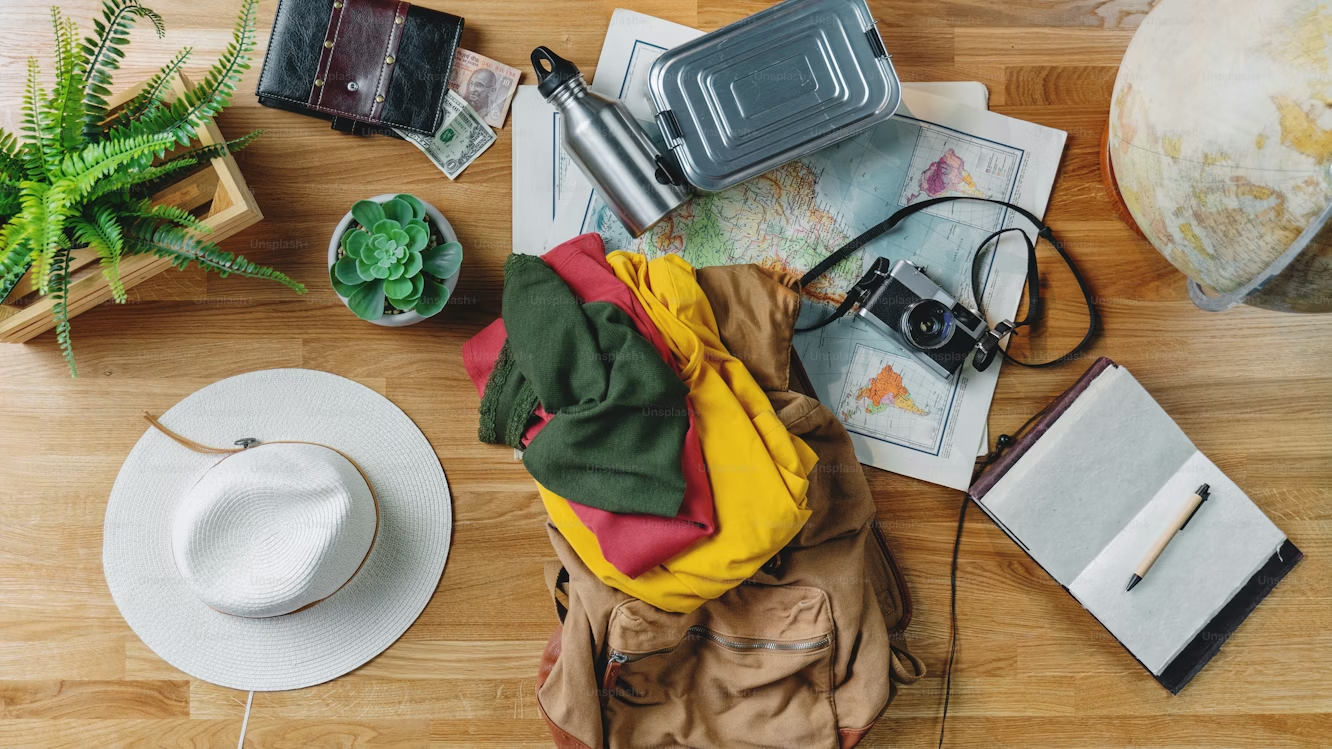
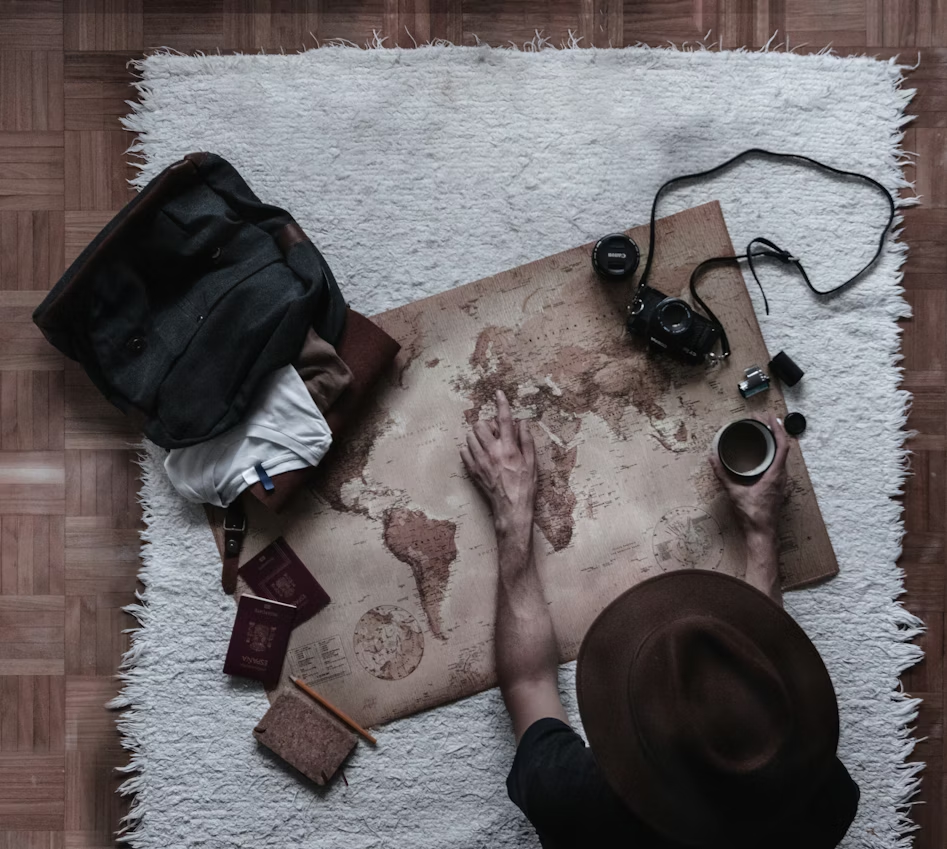

There’s a moment before every trip that feels deceptively simple: the act of packing. A suitcase sits open, full of possibilities, and the instinct is almost always the same—bring more, just in case. More clothes, more products, more backups. It feels like preparation, even responsibility.
But experienced travelers eventually discover something counterintuitive: the more you pack, the more complicated—and expensive—your journey becomes. Extra weight leads to baggage fees, limited mobility, unnecessary purchases, and a surprising amount of waste. Packing, it turns out, is not just a logistical task. It’s a philosophy.
Eco-friendly packing reframes this process. It asks a different question—not “What might I need?” but “What do I actually use?” The result is a lighter bag, a lighter environmental footprint, and often, a much lighter budget.
Below are six powerful eco-friendly travel packing tips that don’t just save space—they reshape how you travel entirely.
tip 1: build a capsule wardrobe instead of packing outfits
The biggest mistake travelers make is packing complete outfits rather than versatile pieces. A capsule wardrobe focuses on mixing and matching a small number of items to create multiple combinations.
Instead of packing seven separate outfits for seven days, you pack a set of interchangeable pieces that work together.
Core components typically include:
- 2–3 tops that pair with everything
- 1–2 bottoms
- 1 layering piece (jacket or sweater)
- 1 pair of versatile shoes
- Neutral color palette
| Packing Strategy | Number of Items | Outfit Combinations | Luggage Space | Flexibility |
|---|---|---|---|---|
| Traditional Packing | 20–25 | Limited | High | Low |
| Capsule Wardrobe | 8–12 | High | Low | High |
This approach reduces weight and volume dramatically. But more importantly, it eliminates decision fatigue. You don’t waste time choosing what to wear because everything works together.
From an environmental perspective, fewer clothes mean less washing, less water usage, and less detergent waste during your trip. It also reduces the likelihood of buying extra clothing on the road.
tip 2: choose multi-purpose items over single-use gear
Every item in your bag should justify its place. The easiest way to do this is by choosing items that serve multiple purposes.
Examples include:
- A scarf that doubles as a blanket or towel
- Shoes suitable for both walking and casual dining
- A reusable container for snacks, leftovers, or toiletries
- A lightweight jacket that works in different weather conditions
| Item Type | Single-Use Example | Multi-Purpose Alternative | Space Saved | Cost Efficiency |
|---|---|---|---|---|
| Clothing | Separate outfits | Layering pieces | High | High |
| Accessories | Travel pillow | Scarf/shawl | Moderate | Moderate |
| Containers | Disposable packs | Reusable container | High | High |
Multi-purpose thinking naturally reduces the total number of items you carry. This has a ripple effect: lighter bags, fewer baggage fees, and less reliance on transport options that charge extra for weight.
It also encourages mindful consumption. Instead of buying new items for each trip, you begin to rely on what you already have.
tip 3: pack reusable essentials to eliminate daily waste
One of the simplest ways to reduce both waste and spending is to replace disposable items with reusable ones.
Key essentials include:
- Reusable water bottle
- Foldable shopping bag
- Compact travel utensils
- Refillable toiletry containers
| Disposable Item | Daily Cost | Weekly Cost | Reusable Alternative Cost | Waste Reduction |
|---|---|---|---|---|
| Bottled Water | $3–$5 | $21–$35 | $10–$15 | Very High |
| Plastic Bags | $1–$2 | $7–$14 | $3–$5 | High |
| Takeaway Cutlery | $1–$3 | $7–$21 | $5–$10 | High |
These small items don’t take much space, but they eliminate a surprising amount of daily waste. Over the course of a trip, they also reduce repetitive spending.
There’s also a psychological shift that happens. When you carry reusables, you become more aware of your consumption patterns. You’re less likely to buy unnecessary packaged goods and more likely to seek out local, sustainable options.
tip 4: minimize toiletries and go solid where possible
Toiletries are often overpacked. Full-sized bottles, duplicates, and rarely used products take up space and increase the risk of leaks.
A smarter approach is to:
- Use travel-sized or refillable containers
- Switch to solid alternatives (soap, shampoo bars)
- Share items when traveling with others
| Toiletry Type | Liquid Version | Solid Alternative | Space Efficiency | Leak Risk |
|---|---|---|---|---|
| Shampoo | Bottle | Shampoo bar | High | None |
| Soap | Liquid | Bar soap | High | None |
| Lotion | Large bottle | Small refillable | Moderate | Low |
Solid toiletries are particularly effective. They last longer, take up less space, and eliminate the need for plastic packaging.
From a budget perspective, buying fewer and smaller products reduces upfront costs and avoids replacement purchases during the trip.
tip 5: use packing systems instead of overpacking
Many people assume that better organization means more packing. In reality, effective packing systems allow you to carry less while staying organized.
Techniques include:
- Rolling clothes instead of folding
- Using packing cubes
- Grouping items by category
| Packing Method | Space Efficiency | Organization Level | Ease of Access |
|---|---|---|---|
| Loose Packing | Low | Low | Low |
| Folding | Moderate | Moderate | Moderate |
| Rolling + Cubes | High | High | High |
Packing cubes, in particular, help compress clothing and keep items separated. This reduces the temptation to overpack because you can clearly see how much space you’re using.
Better organization also prevents duplicate purchases. When you know exactly what you have, you’re less likely to buy something you already packed.
tip 6: adopt a “pack once, use fully” mindset
One of the most overlooked habits in eco-friendly packing is commitment. Many travelers bring items they barely use—extra shoes, backup outfits, “just in case” products.
A more effective approach is to pack with intention and use everything you bring.
| Packing Behavior | Item Usage Rate | Waste Potential | Budget Impact |
|---|---|---|---|
| Overprepared | Low | High | High |
| Intentional Packing | High | Low | Low |
Before adding an item to your bag, ask:
- Will I use this at least twice?
- Does it serve more than one purpose?
- Can I function without it?
If the answer is unclear, it probably doesn’t belong in your bag.
This habit reduces clutter, simplifies decision-making, and reinforces mindful consumption.
space and cost comparison overview
To see how these tips combine, here’s a practical comparison:
| Category | Traditional Packing | Eco-Friendly Packing | Savings |
|---|---|---|---|
| Baggage Fees | $50–$150 | $0–$50 | $50–$100 |
| Toiletries | $40 | $15 | $25 |
| Disposable Items | $30 | $5 | $25 |
| Clothing Purchases | $100 | $20 | $80 |
| Total | $220–$320 | $40–$90 | $180–$230 |
Beyond financial savings, the reduction in physical weight can be just as valuable. Lighter luggage means easier movement, fewer transport limitations, and a more flexible travel experience.
sample minimalist packing list
Here’s an example of a balanced, eco-friendly packing list for a one-week trip:
| Category | Items Included |
|---|---|
| Clothing | 3 tops, 2 bottoms, 1 jacket |
| Footwear | 1 versatile pair |
| Toiletries | Travel-size essentials, solid soap |
| Accessories | Scarf, reusable bag |
| Essentials | Water bottle, utensils |
This list is intentionally simple. The goal isn’t to restrict yourself—it’s to eliminate redundancy.
the deeper impact of packing light
Packing lightly changes more than your luggage. It changes how you interact with your environment.
You:
- Move more freely
- Spend less time managing belongings
- Make more conscious purchasing decisions
- Adapt more easily to unexpected changes
There’s also a subtle emotional benefit. Carrying less creates a sense of ease. You’re not weighed down by excess, physically or mentally.
Eco-friendly packing, in this sense, becomes a form of freedom.
faqs
- is eco-friendly packing suitable for long trips?
Yes. In fact, it becomes even more beneficial on longer trips. Laundry access and versatile clothing make it easy to maintain a small wardrobe.
- what is the biggest mistake people make when packing?
Overpacking “just in case” items. Most of these items go unused and add unnecessary weight.
- are reusable items worth the space they take?
Absolutely. They replace multiple disposable items and quickly pay for themselves in both cost savings and waste reduction.
- how do i handle different weather conditions with minimal packing?
Layering is key. A few versatile layers can adapt to a wide range of temperatures.
- can minimalist packing still be comfortable?
Yes. Comfort comes from choosing the right items, not more items. Quality and versatility matter more than quantity.
- how do i transition to eco-friendly packing habits?
Start small. Replace disposable items with reusable ones and gradually reduce the number of items you pack each trip.
In the end, packing is more than preparation—it’s a reflection of how you approach travel itself. When you pack with intention, you reduce waste, save money, and create space—not just in your bag, but in your experience.