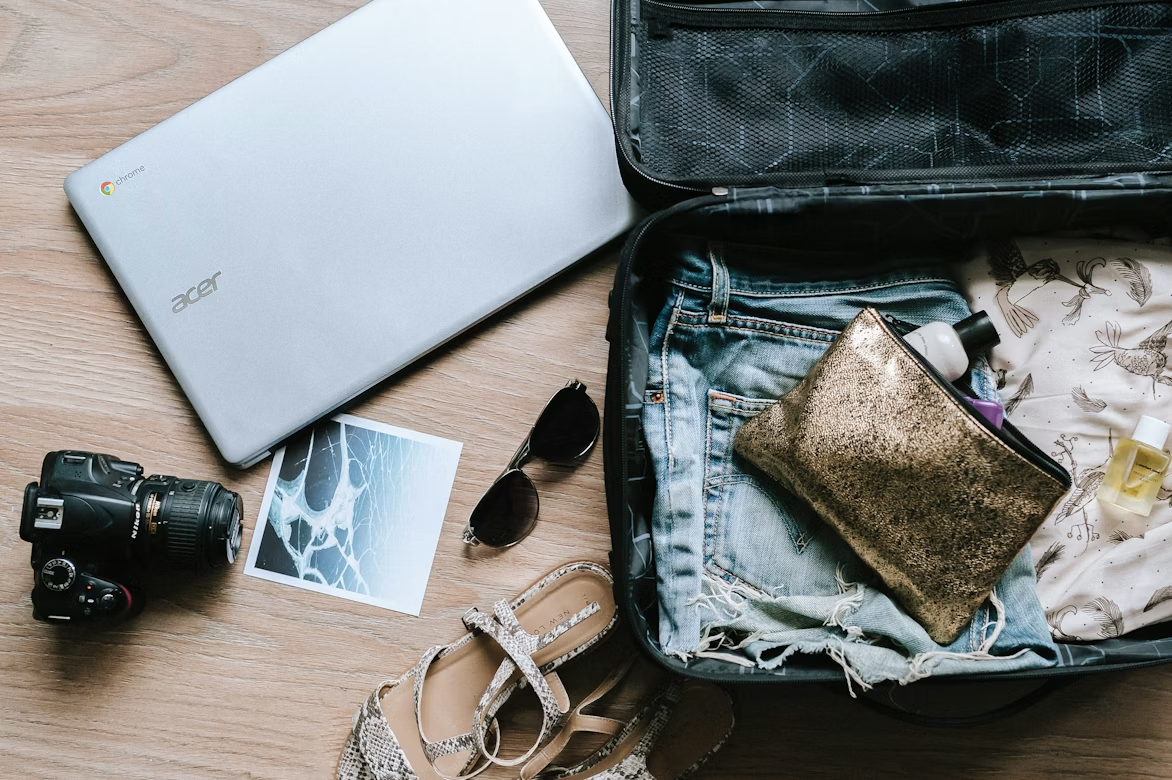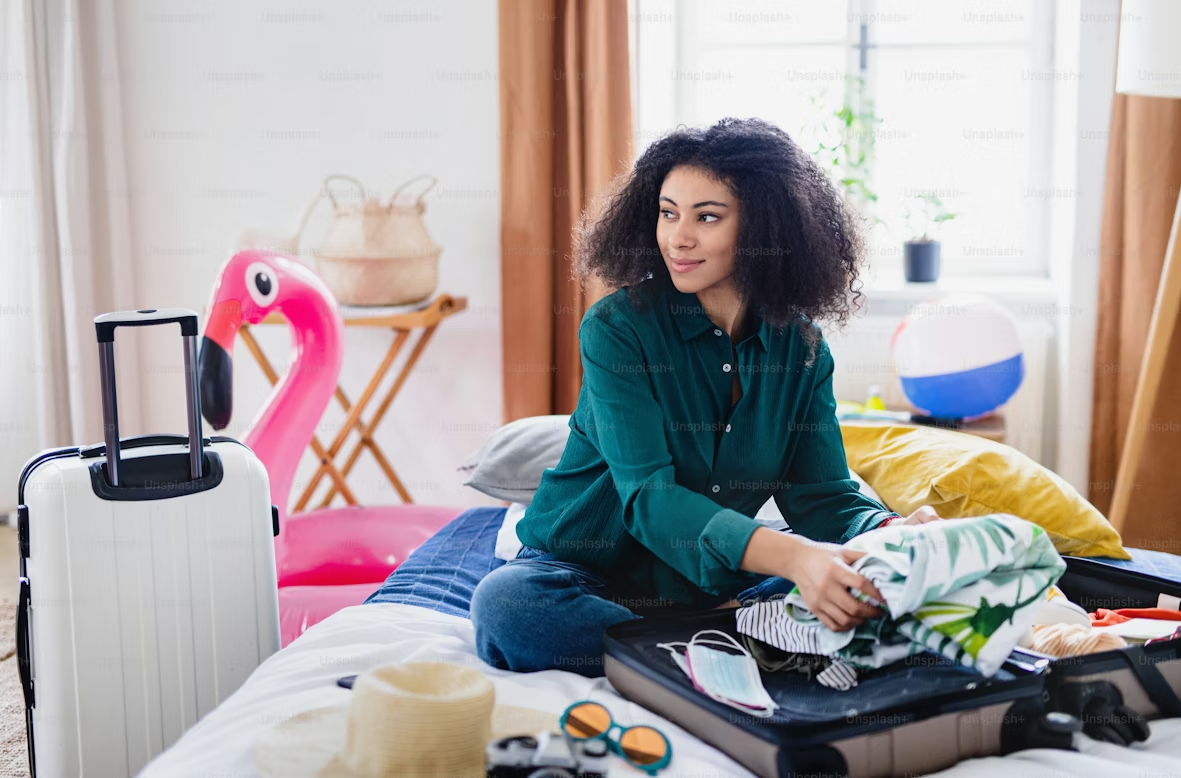


Packing used to be the part of travel I overthought the most. Not because I enjoyed it, but because I didn’t trust myself to manage with less. The result? Overstuffed bags, unnecessary stress, and a surprising amount of wasted money.
Over time, something shifted. I began trimming down—not drastically at first, just small adjustments. A lighter bag here, fewer “just in case” items there. Eventually, I realized that packing light wasn’t just about convenience. It was tied to something bigger: saving money, reducing waste, and moving through the world more intentionally.
Eco-friendly travel often sounds like a separate philosophy, but when it comes to packing, it overlaps almost perfectly with minimalism. Carry less, waste less, spend less.
These ten smart eco-friendly packing tips are drawn from experience—not perfection. They’re practical, adaptable, and designed for real travelers who want to move lighter without sacrificing comfort.
—
- Build a capsule travel wardrobe
The idea is simple: fewer items, more combinations.
Instead of packing outfits, you pack pieces that work together. Neutral colors, versatile layers, and fabrics that handle repeated wear.
Capsule wardrobe example:
Item Type | Quantity | Function
T-shirts/tops | 3–4 | Daily wear
Bottoms (pants/shorts) | 2 | Rotate
Light jacket | 1 | Layering
Undergarments | 4–5 | Rotate
Shoes | 1–2 pairs | Multi-purpose
Outfit combinations:
Pieces | Possible Outfits
5 tops + 2 bottoms | 10 combinations
Add layering | 15+ variations
Cost impact:
Packing Style | Extra Purchases | Laundry Costs | Total
Overpacking | $50 | $20 | $70
Capsule packing | $10 | $15 | $25
Savings: ~$45 per trip
Environmental impact:
- Less textile waste
- Reduced washing frequency (when managed properly)
—
- Choose multi-purpose items over single-use ones
Every item in your bag should ideally serve more than one purpose.
Examples:
Item | Multiple Uses
Sarong/scarf | Towel, blanket, cover-up
Sneakers | Walking, casual outings
Light jacket | Warmth, rain protection
Reusable container | Food storage, leftovers
Packing comparison:
Item Type | Single-use Packing | Multi-use Packing
Total items | 25 | 15
Bag weight | 10 kg | 6 kg
Benefits:
- Lower baggage weight (less fuel usage on flights)
- More flexibility
- Less clutter
—
- Switch to solid toiletries
Liquid toiletries are bulky, prone to leaks, and often come in disposable plastic packaging.
Solid alternatives:
Product | Liquid Version | Solid Version
Shampoo | 250 ml bottle | Shampoo bar
Soap | Liquid body wash | Bar soap
Conditioner | Plastic bottle | Solid bar
Cost comparison:
Type | Cost per Trip | Longevity
Liquid products | $15 | 1–2 trips
Solid products | $12 | 3–5 trips
Savings over time: significant
Environmental impact:
- Reduced plastic waste
- Longer product lifespan
—
- Pack a reusable essentials kit
This small habit changes everything.
Typical kit contents:
- Reusable water bottle
- Foldable tote bag
- Travel cutlery
- Compact food container
Weekly disposable cost comparison:
Item | Cost
Water bottles | $14
Plastic bags | $5
Takeaway containers | $10
Total | $29/week
Reusable kit cost: ~$10–$20 (one-time)
Savings over multiple trips quickly exceed initial cost.
—
- Limit “just in case” items
This is where most overpacking happens.
Instead of asking “What if I need this?”, ask:
“How likely is it, and can I get it there if needed?”
Overpacking vs realistic packing:
Category | Overpacked | Needed
Extra clothes | 5 | 1–2
Shoes | 2 extra pairs | 0
Misc items | 10 | 2–3
Cost impact:
Expense | Overpacking | Minimal Packing
Baggage fees | $60 | $0
Extra transport | $20 | $5
Savings: ~$75
The reality is simple: most “just in case” items are never used.
—
- Wear your bulkiest items while traveling
Instead of packing heavy items, wear them.
Examples:
- Jackets
- Sneakers
- Hoodies
Weight distribution:
Item | Packed Weight | Worn Weight
Jacket | 1 kg | 0 kg (bag)
Shoes | 1 kg | 0 kg (bag)
Total reduction: ~2 kg
Benefits:
- Avoid baggage limits
- Save space for essentials
It may feel slightly inconvenient during transit, but the payoff is worth it.
—
- Use packing cubes or simple organization systems
Packing cubes aren’t just about neatness—they help prevent overpacking.
Organization comparison:
Method | Items Packed | Accessibility
Unorganized | 25 items | Low
Organized | 15–18 items | High
Cost impact:
Behavior | Cost
Overpacking | Higher transport + baggage fees
Organized packing | Reduced costs
Savings: indirect but consistent
They also make it easier to track what you actually use, helping refine future packing.
—
- Choose lightweight, durable materials
Heavy fabrics and fragile items add unnecessary weight and risk.
Material comparison:
Material Type | Weight | Durability | Drying Time
Cotton (thick) | Heavy | Medium | Slow
Synthetic blends | Light | High | Fast
Merino wool | Light | High | Medium
Benefits:
- Faster drying reduces need for extra clothes
- Longer lifespan reduces replacement costs
Example savings:
Category | Heavy Packing | Lightweight Packing
Extra clothes needed | 3 | 1
Laundry frequency | High | Moderate
Savings: $20–$40 per trip
—
- Pack a minimal first-aid and repair kit
Instead of overpacking duplicates, carry a small kit to extend the life of what you already have.
Basic kit:
- Band-aids
- Pain relief tablets
- Needle and thread
- Small duct tape strip
Cost comparison:
Scenario | Cost
Replacing broken item | $20
Repairing item | $2
Savings: $18 per incident
Environmental benefit:
- Reduced waste
- Longer product use
—
- Repack after every trip (learn and refine)
This is the most overlooked step.
After each trip, review:
- What you didn’t use
- What you wished you had
- What you can replace with better alternatives
Packing refinement chart:
Trip Number | Items Packed | Items Used | Efficiency
Trip 1 | 25 | 15 | 60%
Trip 2 | 20 | 15 | 75%
Trip 3 | 17 | 15 | 88%
Over time, your packing becomes naturally optimized.
Cost impact:
- Fewer unnecessary purchases
- Lower baggage fees
- Reduced waste
—
Combined packing impact overview
Category | Traditional Packing | Light Eco Packing
Baggage fees | $60 | $0
Extra purchases | $70 | $20
Transport costs | $30 | $10
Total | $160 | $30
Savings: $130 per trip
—
Visual breakdown of weight reduction
Packing Weight Distribution:
Clothes: ██████████ 50% → ██████ 35%
Toiletries: █████ 20% → ██ 10%
Extras: ███████ 30% → ███ 15%
—
Environmental impact snapshot
Factor | Traditional Packing | Eco Packing
Waste | High | Low
Plastic use | High | Reduced
Energy use | High | Lower
Product lifespan | Short | Extended
—
Real-life example scenario
Traveler A:
- Packs 10 kg
- Pays baggage fees
- Buys extra items
Traveler B:
- Packs 6 kg
- Uses reusable items
- Avoids unnecessary purchases
Expense comparison:
Category | Traveler A | Traveler B
Baggage | $60 | $0
Extras | $80 | $20
Transport | $30 | $10
Total | $170 | $30
Savings: $140
—
Simple eco packing checklist
Category | Action
Clothing | Capsule wardrobe
Toiletries | Solid alternatives
Daily items | Reusable kit
Weight | Wear bulky items
Extras | Eliminate “just in case”
Review | Refine after each trip
—
FAQs
- Is packing light really eco-friendly?
Yes. Less weight reduces fuel consumption, and fewer items mean less waste and lower resource use. - How do I manage laundry while packing fewer clothes?
Choose quick-drying fabrics and wash small items as needed. Many accommodations offer affordable laundry options. - Are solid toiletries effective compared to liquid ones?
Most solid products perform just as well and last longer, making them both eco-friendly and cost-effective. - What if I forget something important?
In most cases, you can buy essentials at your destination. It’s often cheaper than overpacking everything. - How much weight should a light traveler aim for?
A common target is 5–7 kg for a carry-on setup, depending on trip length and climate. - Does packing light reduce travel stress?
Significantly. Less luggage means easier movement, fewer decisions, and more flexibility.
—
Packing light isn’t about restriction. It’s about clarity—knowing what you actually need and letting go of what you don’t.
Once you experience the freedom of moving through a place without being weighed down—physically or mentally—it becomes difficult to go back.
And somewhere along the way, you realize that traveling lighter doesn’t just change your bag. It changes how you experience everything.