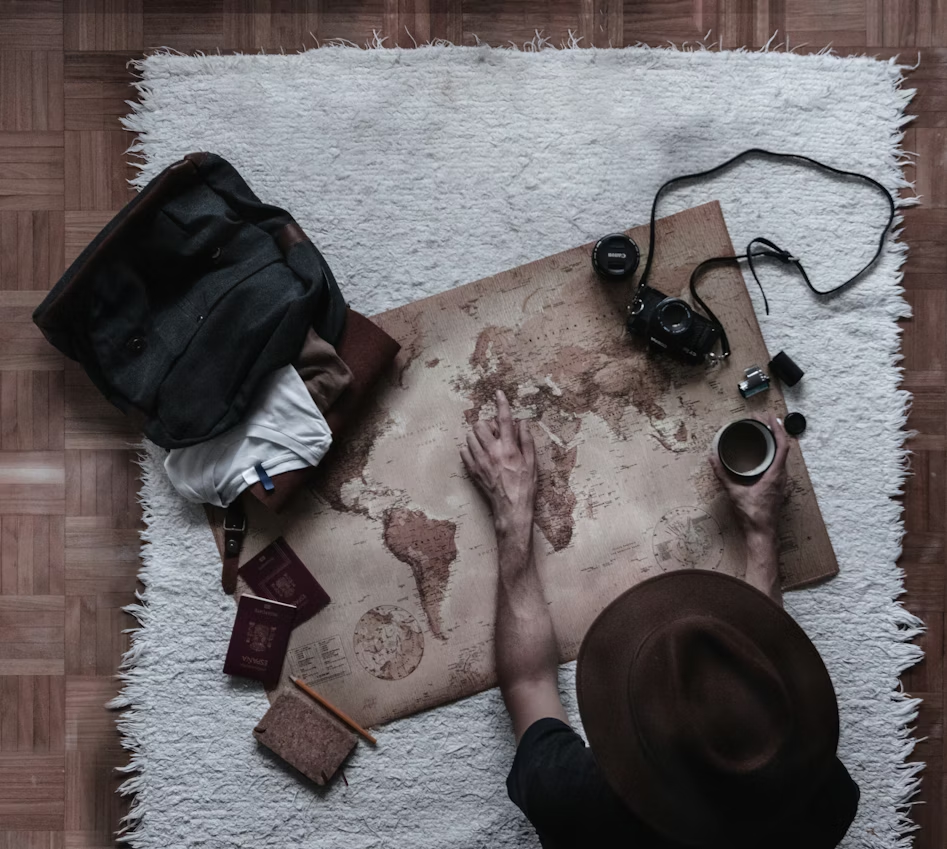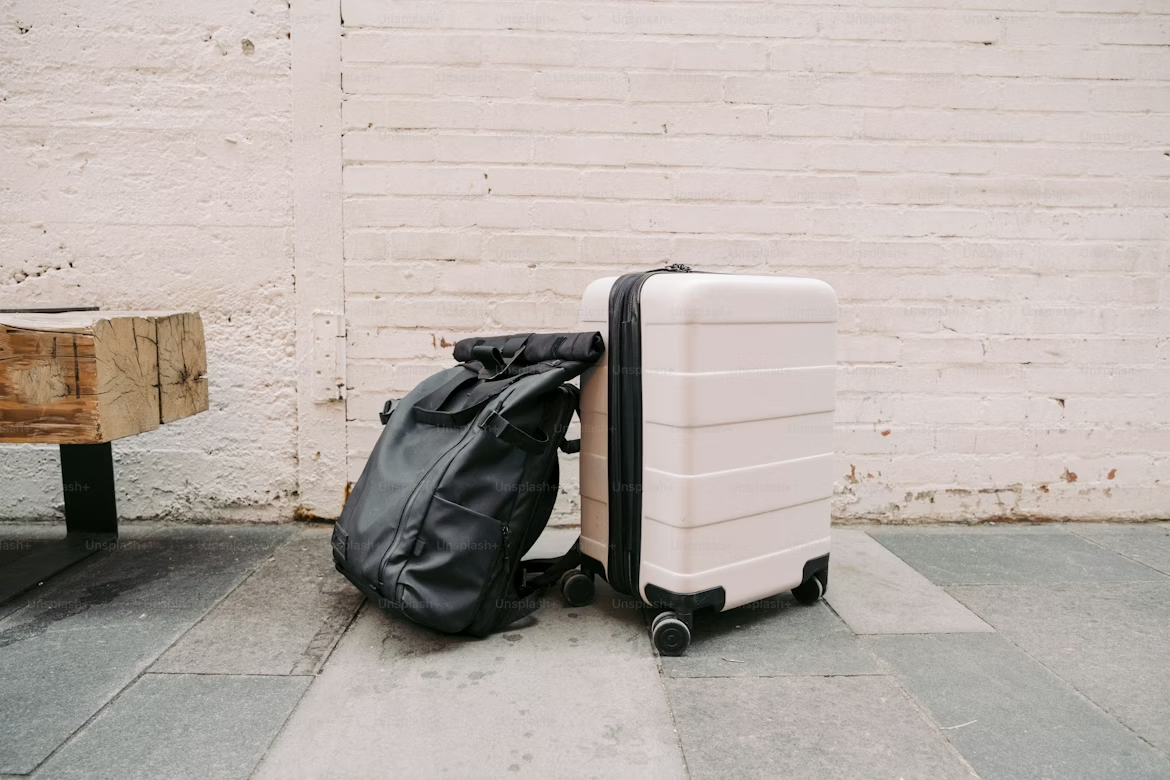
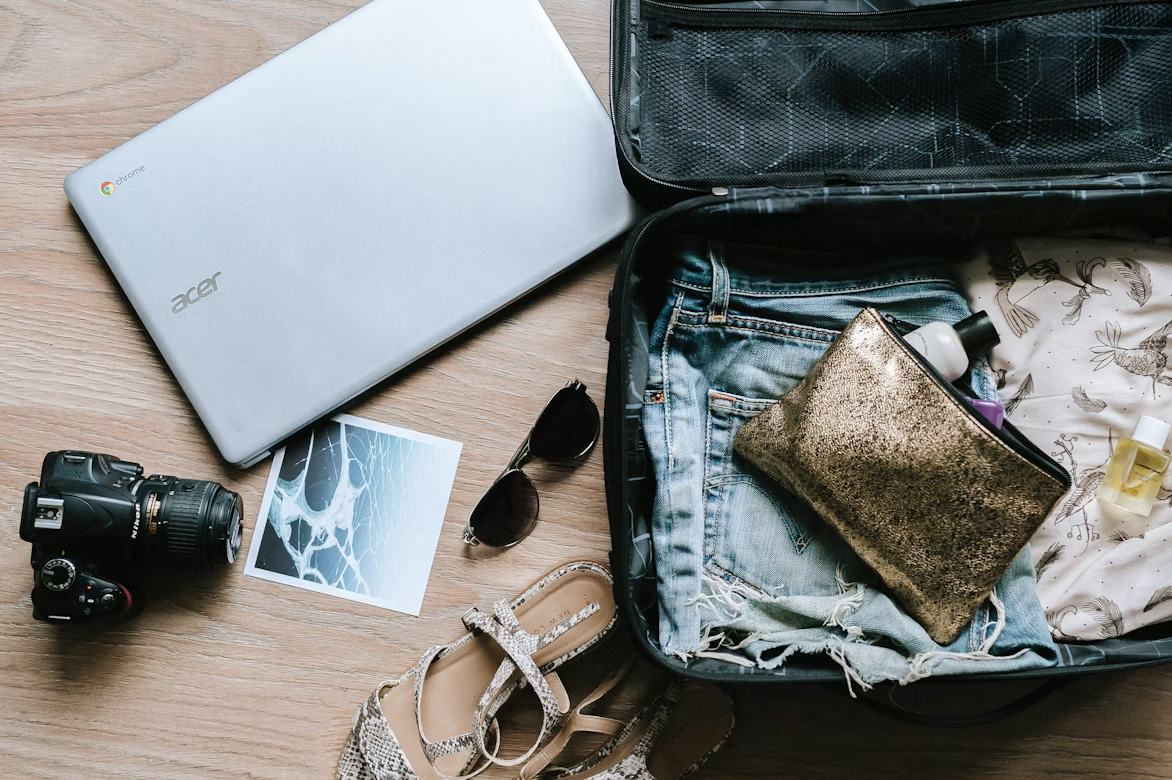

There’s a moment before every trip when everything feels slightly chaotic. Clothes pile up on the bed, chargers seem to multiply, and suddenly the suitcase looks too small for the journey ahead. Most people approach packing as a last-minute task, but in reality, it shapes the entire travel experience—cost, comfort, convenience, and even environmental impact.
Eco-friendly packing isn’t about stuffing your bag with expensive “green” products. It’s about making thoughtful choices that reduce waste, lighten your load, and simplify your trip. When done right, it saves money, lowers stress, and leaves a smaller footprint on the places you visit.
Below are seven easy eco-friendly travel packing hacks that you can start using immediately. Each one is practical, budget-friendly, and designed to make a noticeable difference.
- build a capsule travel wardrobe
One of the most effective ways to pack sustainably is to reduce the number of clothes you carry. A capsule wardrobe focuses on a small set of versatile items that can be mixed and matched into multiple outfits.
Instead of packing “just in case” outfits, choose pieces that work together in different combinations. Neutral colors, lightweight fabrics, and multi-purpose items are key.
For example, a single pair of comfortable pants can work for sightseeing, casual dinners, and even travel days. A lightweight jacket can double as a layer for cold evenings and a pillow during transit.
table: capsule wardrobe example (7-day trip)
| Item Type | Quantity | Outfit Combinations |
|---|---|---|
| T-shirts | 3 | 6–9 |
| Pants/Shorts | 2 | 4–6 |
| Light Jacket | 1 | Multiple |
| Shoes | 1–2 | All outfits |
| Accessories | 2–3 | Flexible |
Benefits go beyond sustainability. A smaller wardrobe reduces luggage weight, eliminates decision fatigue, and lowers the chance of buying extra clothes on the road.
- switch to solid and refillable toiletries
Traditional travel toiletries often come in single-use plastic bottles that are thrown away after a few uses. Solid alternatives—like shampoo bars, soap bars, and solid deodorants—are long-lasting and packaging-free.
Refillable containers are another excellent option. Instead of buying travel-sized products repeatedly, you can refill small containers from your regular supplies at home.
table: liquid vs solid toiletries
| Feature | Liquid Products | Solid Alternatives |
|---|---|---|
| Packaging Waste | High | Low |
| Leakage Risk | High | None |
| Longevity | Short | Long |
| Travel Convenience | Medium | High |
Switching to solids not only reduces waste but also avoids airport liquid restrictions, making your travel smoother.
- pack a reusable essentials kit
A small kit of reusable items can eliminate a surprising amount of daily waste. These items take up minimal space but have a big impact over time.
Your kit might include:
- Reusable water bottle
- Foldable shopping bag
- Reusable utensils or spork
- Cloth napkin
- Reusable coffee cup
table: reusable kit impact
| Item | Space Required | Daily Use Frequency | Waste Reduction |
|---|---|---|---|
| Water bottle | Medium | High | High |
| Shopping bag | Low | Medium | Medium |
| Utensils | Very Low | Medium | High |
| Coffee cup | Medium | Medium | Medium |
These items quickly pay for themselves. Instead of buying bottled water or disposable cutlery, you rely on what you already carry.
- use packing cubes or organizers for efficiency
Packing cubes are not just about neatness—they help you pack smarter. By organizing your items into sections, you avoid overpacking and make better use of space.
From an eco perspective, packing efficiently means carrying less weight, which contributes to lower fuel consumption, especially on flights.
chart: packing efficiency comparison
| Packing Method | Space Usage | Weight Control | Ease of Access |
|---|---|---|---|
| No organization | Low | Poor | Low |
| Basic folding | Medium | Medium | Medium |
| Packing cubes | High | High | High |
Organizers also reduce the urge to unpack everything at your destination, keeping your belongings in better condition.
- bring a lightweight laundry solution
Instead of packing more clothes, pack a way to clean them. A small laundry kit allows you to reuse outfits, reducing both luggage weight and unnecessary consumption.
A simple setup includes:
- Travel-sized detergent or soap sheets
- Sink stopper
- Quick-dry clothesline
table: laundry vs extra packing
| Approach | Bag Weight | Clothing Quantity | Environmental Impact |
|---|---|---|---|
| Overpacking | High | High | Medium |
| Laundry approach | Low | Low | Low |
Washing clothes during your trip also keeps them fresh and extends their lifespan.
- avoid single-use travel accessories
Many travel items are designed for convenience but are used only once. These include plastic ponchos, disposable cutlery, and single-use travel kits.
Instead, invest in durable alternatives that can be used repeatedly.
Examples:
- Reusable rain jacket instead of plastic poncho
- Bamboo or metal utensils instead of plastic
- Cloth towel instead of paper towels
table: single-use vs reusable items
| Item Type | Single-Use Option | Reusable Alternative | Long-Term Cost |
|---|---|---|---|
| Rain protection | Plastic poncho | Compact rain jacket | Lower |
| Cutlery | Plastic set | Metal/bamboo set | Lower |
| Towels | Paper towels | Microfiber towel | Lower |
While reusable items may cost slightly more upfront, they reduce repeated spending and waste over time.
- digitize documents and reduce paper waste
Travel often involves printing tickets, itineraries, and reservations. While sometimes necessary, much of this paperwork can be replaced with digital versions.
Store your documents on your phone or in cloud storage. This reduces paper use and keeps everything accessible in one place.
table: paper vs digital travel documents
| Aspect | Paper Documents | Digital Documents |
|---|---|---|
| Environmental Impact | High | Low |
| Risk of Loss | High | Low |
| Accessibility | Medium | High |
| Organization | Low | High |
As a backup, you can carry minimal printed copies of essential documents, but most of your information can remain digital.
how these packing hacks transform your travel
When combined, these seven packing hacks create a travel system that is lighter, more efficient, and significantly more sustainable.
combined impact chart
| Packing Hack | Saves Space | Reduces Waste | Saves Money | Improves Convenience |
|---|---|---|---|---|
| Capsule wardrobe | High | Medium | High | High |
| Solid toiletries | Medium | High | Medium | High |
| Reusable essentials kit | Low | High | High | Medium |
| Packing cubes | High | Medium | Medium | High |
| Laundry solution | High | High | High | Medium |
| Reusable accessories | Medium | High | High | Medium |
| Digital documents | Low | Medium | Low | High |
The beauty of these changes lies in their simplicity. None of them require drastic effort, yet together they reshape the way you travel.
a realistic packing scenario
Imagine preparing for a week-long trip. Instead of filling your suitcase with unnecessary items, you build a capsule wardrobe. Your toiletries are compact and leak-proof. A small reusable kit sits in your backpack, ready for daily use.
You know you can wash clothes midway through the trip, so you pack fewer outfits. Your documents are organized digitally, and everything you carry has a purpose.
At the airport, your bag is lighter. At your destination, unpacking takes minutes. During your trip, you spend less on disposable items and avoid the stress of managing excess luggage.
This is the quiet power of eco-friendly packing—it simplifies everything.
frequently asked questions
- is eco-friendly packing more expensive?
Not necessarily. While some reusable items have an upfront cost, they quickly save money by reducing the need for repeated purchases during travel. - what is the easiest packing hack to start with?
Switching to a reusable water bottle and packing fewer clothes are two of the simplest and most effective changes you can make. - how do i manage laundry while traveling?
You can wash clothes in a sink using travel detergent or use local laundromats. Quick-dry fabrics make the process much easier. - are solid toiletries really effective?
Yes, many solid products work just as well as their liquid counterparts and often last longer, making them ideal for travel. - how can i avoid overpacking?
Plan outfits in advance using a capsule wardrobe approach. Focus on versatility and avoid packing items “just in case.” - is it safe to rely on digital documents?
In most cases, yes. Keep backups in cloud storage and offline copies on your device. Carry minimal printed copies for essential documents if needed.
Packing is often seen as a routine task, but it has the potential to redefine your entire travel experience. By adopting these eco-friendly packing hacks, you’re not just organizing your suitcase—you’re shaping a smarter, lighter, and more responsible way to explore the world.
The next time you prepare for a trip, remember that every item you choose to carry—or leave behind—has an impact. And sometimes, the smallest changes make the biggest difference.