


There’s a particular kind of regret that only shows up halfway through a trip. It’s not the dramatic kind—no missed flights or lost passports. It’s quieter. It’s the realization that your bag is heavier than it needs to be, your trash pile is growing faster than expected, and somehow, despite trying to “pack smart,” you’ve ended up doing the opposite.
My first attempt at eco-friendly travel packing was exactly that: an attempt. I brought things I didn’t use, forgot things I needed, and unintentionally relied on wasteful habits I thought I’d avoided. But mistakes, when paid attention to, become a kind of informal education.
What follows isn’t a rigid rulebook. It’s a collection of real missteps—paired with practical fixes—that gradually reshaped how I pack, spend, and move through the world.
mistake 1: packing “just in case” items
This one feels harmless. A backup pair of shoes. An extra jacket. Two more shirts than necessary. The logic seems sound—be prepared. But in reality, most “just in case” items never leave the bag.
What they do instead:
- Increase luggage weight
- Make mobility harder
- Encourage overconsumption (“I have space, I can buy more”)
packing reality check
| Item Type | Packed | Actually Used | Waste of Space |
|---|---|---|---|
| Extra Shoes | 2 | 0–1 | High |
| Extra Outfits | 4 | 1–2 | Moderate |
| Backup Gear | 3 | 0–1 | High |
The environmental angle often gets overlooked here. Heavier luggage increases fuel consumption across transport systems. It’s a small individual impact—but multiplied across millions of travelers, it adds up.
mistake 2: relying on single-use travel items
Travel-sized toiletries, plastic cutlery, disposable wipes—they seem convenient, especially for short trips. But they generate disproportionate waste.
A few days in, I noticed my trash mostly consisted of items I had intentionally bought for “ease.”
single-use vs reusable comparison
| Item Category | Single-Use Cost | Reusable Cost | Waste Generated |
|---|---|---|---|
| Water Bottles | Ongoing | One-time | High |
| Toiletries | Frequent | Refillable | Moderate–High |
| Cutlery | Repeated | One-time | High |
Convenience has a hidden price—not just financially, but environmentally.
mistake 3: ignoring fabric choices
Not all clothing is equal when it comes to sustainability. I didn’t think about this at all initially. I packed based on style and familiarity.
But some fabrics:
- Take longer to dry
- Require more washing
- Wear out faster
This led to more laundry cycles, more water usage, and ultimately more energy consumption.
fabric efficiency table
| Fabric Type | Drying Time | Durability | Eco Impact |
|---|---|---|---|
| Cotton | Slow | Moderate | Medium |
| Polyester | Fast | High | Mixed |
| Merino Wool | Moderate | High | Low |
Choosing the right materials can reduce how much you pack and how often you wash.
mistake 4: overpacking toiletries
I packed full-size products for a short trip. It didn’t make sense—but it felt easier than planning.
The result:
- Extra weight
- Unused product
- Risk of spills and waste
toiletry usage breakdown
| Product Type | Packed Amount | Used Amount | Leftover Waste |
|---|---|---|---|
| Shampoo | 250 ml | 60 ml | High |
| Lotion | 200 ml | 40 ml | High |
| Body Wash | 300 ml | 80 ml | High |
It became clear that packing smaller quantities—or refillable containers—would have been far more efficient.
mistake 5: forgetting reusable essentials
Ironically, while I overpacked unnecessary items, I forgot simple reusable tools that would have reduced waste.
Items I missed:
- Water bottle
- Cloth bag
- Reusable utensils
Because of this, I ended up buying disposable alternatives repeatedly.
impact of forgetting reusables
| Missing Item | Replacement Behavior | Cost Impact | Waste Impact |
|---|---|---|---|
| Water Bottle | Buying plastic bottles | High | High |
| Tote Bag | Using plastic bags | Moderate | High |
| Cutlery | Disposable utensils | Moderate | High |
Sometimes, what you don’t pack matters more than what you do.
mistake 6: packing items with limited versatility
Single-purpose items take up space and reduce flexibility. I packed clothes that only worked in specific situations.
versatility comparison
| Item Type | Usage Frequency | Space Efficiency |
|---|---|---|
| Single-purpose | Low | Low |
| Multi-purpose | High | High |
A scarf that doubles as a blanket. Shoes that work for both walking and casual outings. These choices make a noticeable difference.
mistake 7: ignoring local availability
I packed items that were easily available at my destination—sometimes even cheaper and more sustainably sourced there.
This included:
- Basic toiletries
- Snacks
- Simple clothing
packing vs buying locally
| Item Type | Pack from Home | Buy Locally | Better Option |
|---|---|---|---|
| Toiletries | Heavy | Available | Local |
| Snacks | Packaged | Fresh | Local |
| Clothing | Extra | Optional | Case-by-case |
Carrying less and buying wisely can reduce both waste and luggage weight.
mistake 8: overestimating laundry limitations
I assumed I wouldn’t have access to laundry facilities, so I packed more clothing than necessary.
In reality, laundry options were everywhere—often affordable and efficient.
laundry planning impact
| Strategy | Clothing Needed | Bag Weight | Flexibility |
|---|---|---|---|
| No Laundry Assumed | High | Heavy | Low |
| Laundry Planned | Low | Light | High |
Planning for laundry reduces the need to overpack significantly.
mistake 9: poor organization leads to waste
A disorganized bag creates friction. Items get lost, forgotten, or damaged.
This led to:
- Rebuying items I already had
- Wasting time and money
- Increased stress
organization vs efficiency
| Packing Style | Item Visibility | Waste Risk | Efficiency |
|---|---|---|---|
| Disorganized | Low | High | Low |
| Organized | High | Low | High |
Simple packing cubes or compartments can prevent unnecessary duplication.
mistake 10: underestimating behavioral habits
Packing isn’t just about items—it’s about habits. I packed reusable items but didn’t always use them.
habit vs impact
| Habit Type | Waste Generated | Cost Impact |
|---|---|---|
| Inconsistent | Moderate | Moderate |
| Consistent | Low | Low |
Sustainable packing only works when paired with conscious behavior.
5 practical fixes that changed everything
After making these mistakes, I simplified everything into a few practical fixes that worked across different trips.
fix 1: build a core packing kit
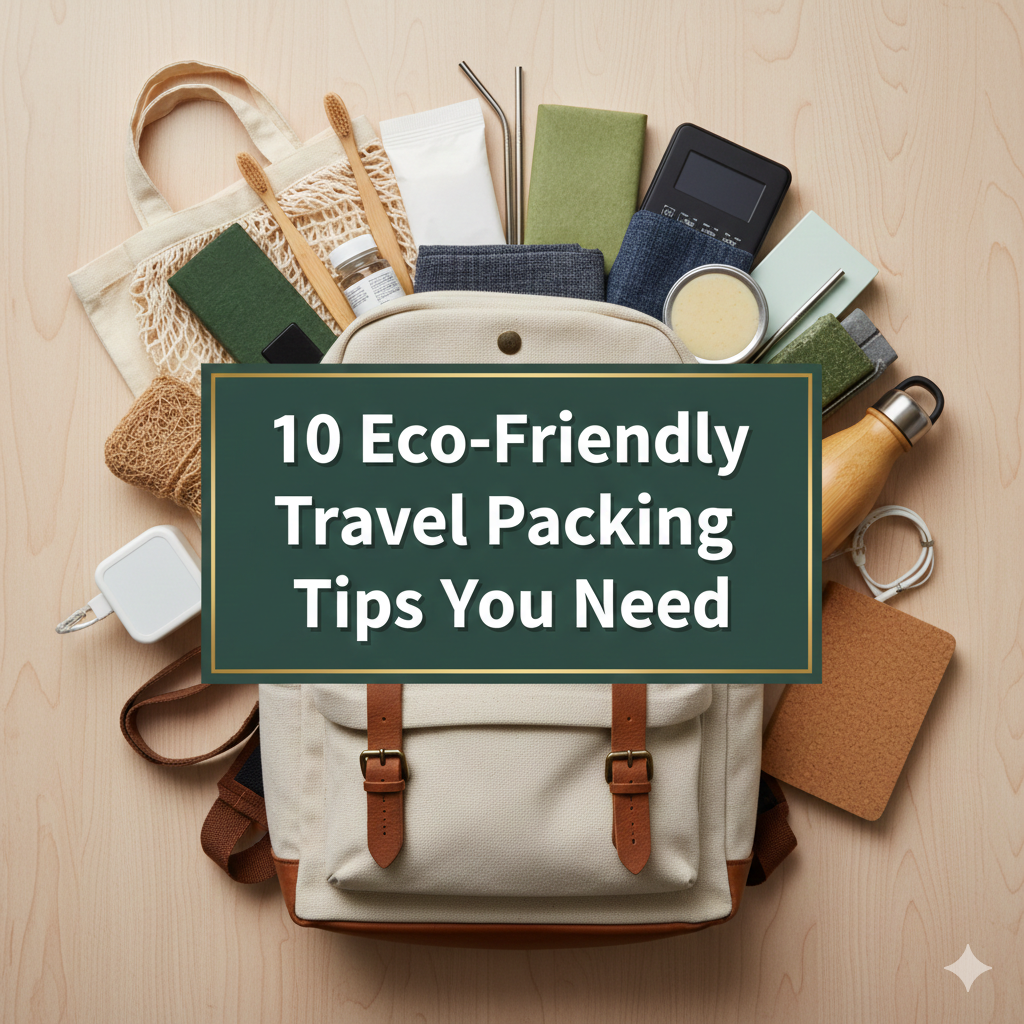
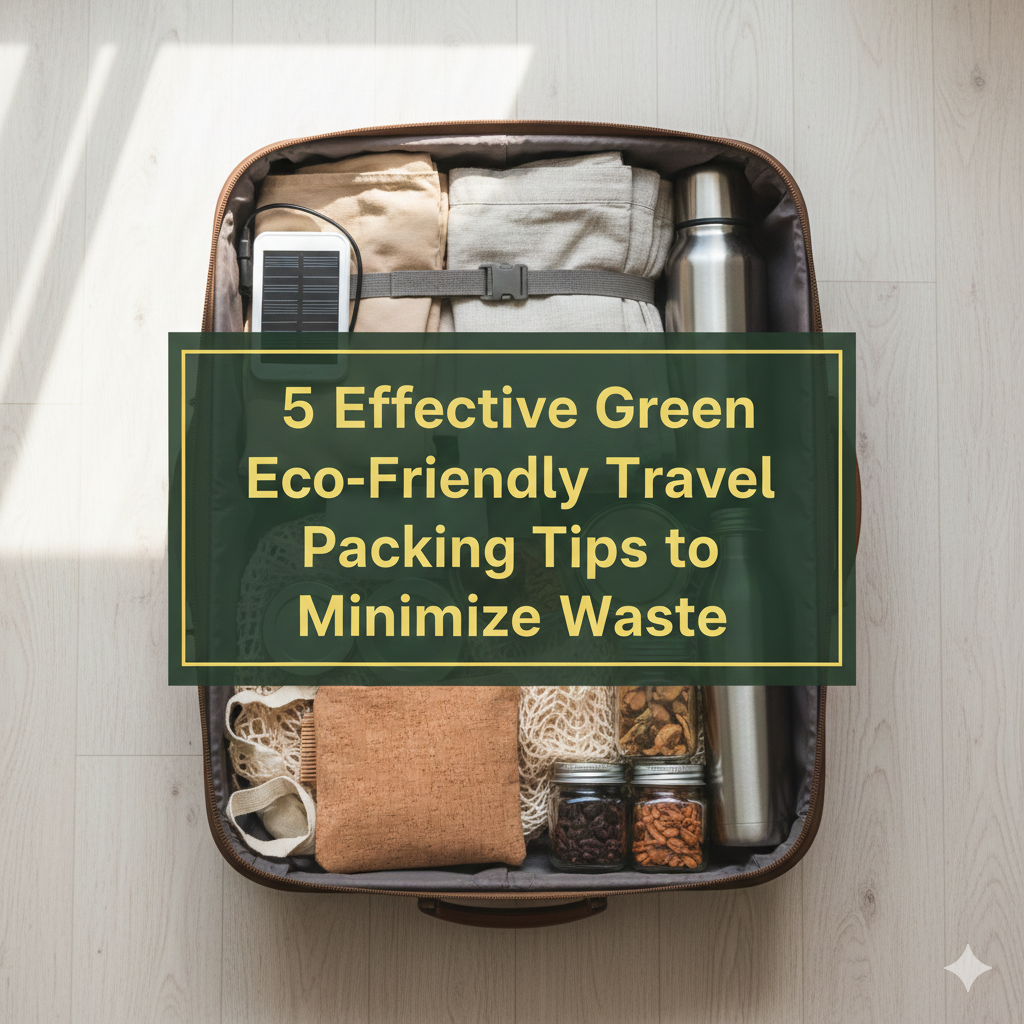
Instead of starting from scratch each time, I created a basic eco-friendly kit:
- Reusable bottle
- Foldable tote
- Compact cutlery
- Refillable containers
core kit benefits
| Benefit | Impact |
|---|---|
| Time Saved | High |
| Waste Reduced | High |
| Cost Efficiency | High |
fix 2: follow the “3 outfit rule”
This simple rule changed my packing completely:
- 3 tops
- 2 bottoms
- 1 versatile layer
outfit rotation chart
| Day | Outfit Combination |
|---|---|
| 1 | Top 1 + Bottom 1 |
| 2 | Top 2 + Bottom 2 |
| 3 | Top 3 + Bottom 1 |
With laundry, this rotation works for extended trips.
fix 3: use a weight-based packing limit
Instead of packing until the bag is full, I set a weight target.
packing weight strategy
| Limit Type | Result |
|---|---|
| No Limit | Overpacking |
| Weight Limit | Intentional Packing |
This forced me to prioritize essentials.
fix 4: adopt a “one in, one out” rule
If I bought something during the trip, I removed or donated something from my bag.
consumption control table
| Action | Result |
|---|---|
| No Rule | Accumulation |
| One-in-one-out | Balanced Load |
fix 5: track waste and spending daily
A simple awareness habit:
- Note what you throw away
- Note what you spend unnecessarily
awareness tracker example
| Day | Waste Level | Unnecessary Spending |
|---|---|---|
| 1 | Medium | $10 |
| 2 | Low | $2 |
Awareness naturally leads to better decisions.
eco-friendly packing checklist
| Category | Essential Item | Packed (Yes/No) |
|---|---|---|
| Hydration | Reusable Bottle | |
| Shopping | Cloth Bag | |
| Food | Container | |
| Clothing | Versatile Outfits | |
| Toiletries | Refillable Bottles |
final thoughts
Eco-friendly packing isn’t about perfection or minimalism for the sake of it. It’s about alignment—between what you carry and how you want to travel.
The biggest shift isn’t in your bag. It’s in your mindset.
Once you start noticing what you use, what you waste, and what you truly need, packing becomes less about preparation and more about intention.
And strangely enough, the lighter your bag gets, the richer your travel experience becomes.
frequently asked questions
- what is the biggest eco-friendly packing mistake?
Overpacking unnecessary items is one of the most common mistakes. It increases weight, reduces mobility, and often leads to more consumption. - how can i reduce waste while packing?
Carry reusable essentials like a water bottle, cloth bag, and food container. Avoid single-use products and pack refillable toiletries. - is it better to pack light or buy items locally?
A mix of both works best. Pack essentials and buy easily available items locally to reduce luggage weight. - how many clothes should i pack for a week-long trip?
With laundry access, 3–5 versatile outfits are usually enough. - do eco-friendly products cost more?
Some have a higher upfront cost, but they save money over time by reducing repeated purchases. - how do i stay consistent with eco-friendly habits while traveling?
Start small, build routines, and track your habits daily. Consistency comes from awareness, not perfection.