
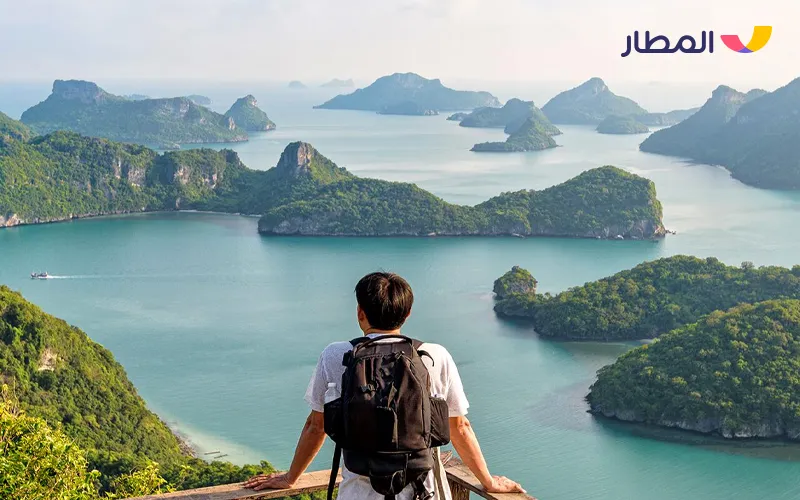

I didn’t call it a “green trip” when I booked it. At the time, it was just a break I badly needed—something simple, low-cost, and quiet. But somewhere between refilling a metal water bottle at a train station and choosing a locally owned guesthouse over a glossy hotel chain, I realized I was traveling differently. Slower. Lighter. More aware.
This wasn’t about perfection or strict rules. It was a series of small decisions that slowly added up to something bigger. By the end of that journey, I wasn’t just returning home with photos—I was carrying a new way of thinking about travel and everyday life.
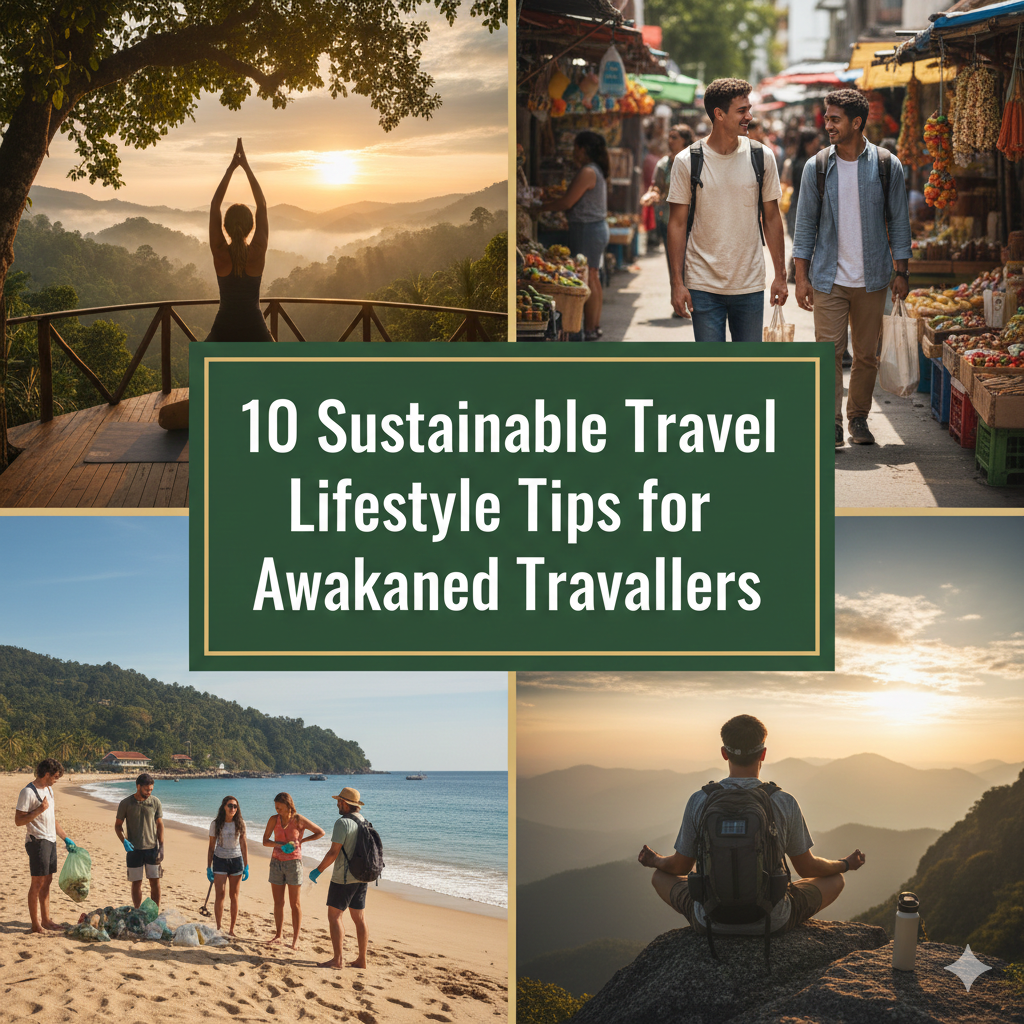
Here are the ten most powerful eco-friendly travel lifestyle lessons I learned along the way.
lesson 1: sustainability begins before the trip even starts
Most people think eco-friendly travel starts at the destination. In reality, it begins at home—with planning.
I used to book trips based on cheap deals or convenience. This time, I paused and asked a few different questions:
- How far am I traveling?
- Can I choose a lower-impact transport option?
- Do I really need to visit multiple places?
Planning with intention helped me avoid unnecessary movement and reduce both costs and emissions.
travel planning comparison
| Planning Style | Cost Impact | Environmental Impact | Stress Level |
|---|---|---|---|
| Last-Minute, Random | High | High | High |
| Intentional, Planned | Moderate | Low | Low |
This shift alone set the tone for everything that followed.
lesson 2: your accommodation shapes your footprint
Where you stay matters more than you think. I initially assumed accommodation was just about sleep, but it turned out to be one of the biggest contributors to my travel impact.
I started choosing places that:
- Used natural ventilation instead of heavy air conditioning
- Encouraged towel and linen reuse
- Supported local employment
Even small guesthouses often had more sustainable practices than large hotels.
accommodation impact breakdown
| Type of Stay | Avg Cost | Resource Usage | Community Benefit |
|---|---|---|---|
| Large Hotel | High | High | Low–Moderate |
| Boutique Eco-Stay | Moderate | Low | High |
| Local Guesthouse | Low | Low | High |
Interestingly, the more sustainable options were often cheaper and more welcoming.
lesson 3: transportation is where the biggest change happens
Transport turned out to be the most impactful area to rethink. Flights were fast but expensive and resource-heavy. So I experimented with alternatives.
I used:
- Trains for long distances
- Buses for regional travel
- Walking or cycling within cities
It wasn’t always the fastest option—but it was often the most rewarding.
transport comparison chart
| Mode of Transport | Cost | Emissions | Experience Quality |
|---|---|---|---|
| Flights | High | High | Limited |
| Trains | Mid | Low | Scenic |
| Buses | Low | Low | Moderate |
| Walking/Cycling | Free | Minimal | High |
Slower transport gave me something I didn’t expect: a stronger connection to the journey itself.
lesson 4: packing less creates space for more meaningful experiences
I packed far less than I normally would. No “just in case” items. No duplicate outfits. Just essentials.
At first, it felt restrictive. Then it felt freeing.
packing efficiency table
| Packing Level | Bag Weight | Mobility | Spending Habits |
|---|---|---|---|
| Overpacked | Heavy | Limited | Higher |
| Minimal | Light | Easy | Lower |
With fewer belongings, I moved easily, spent less, and focused more on experiences rather than things.
lesson 5: local food is the heart of sustainable travel
Food quickly became one of the most enjoyable parts of traveling green. I stopped looking for familiar dishes and leaned into local, seasonal options.
This meant:
- Eating at small, family-run places
- Choosing dishes made from regional ingredients
- Avoiding heavily packaged meals
food choice comparison
| Food Type | Cost | Freshness | Waste Generated |
|---|---|---|---|
| Imported Meals | High | Low | High |
| Local Cuisine | Low | High | Low |
Meals became more than just fuel—they became cultural experiences.
lesson 6: waste awareness changes behavior instantly
The moment I started noticing my waste, I couldn’t ignore it anymore. Plastic bottles, wrappers, takeaway containers—it added up quickly.
So I made simple swaps:
- Refillable bottle instead of buying water
- Cloth bag instead of plastic
- Saying no to unnecessary packaging
waste reduction impact
| Habit Change | Daily Waste Reduction | Monthly Savings |
|---|---|---|
| Reusable Bottle | 2–3 bottles | $20–$40 |
| Tote Bag | 3–5 bags | $5–$10 |
| Avoiding Packaged Food | Significant | $30+ |
Awareness naturally led to better decisions—without feeling forced.
lesson 7: experiences matter more than possessions
I used to buy souvenirs from every trip. This time, I didn’t feel the same urge.
Instead, I focused on:
- Conversations
- Walks through unfamiliar streets
- Watching daily life unfold
experience vs material spending
| Spending Type | Cost | Longevity of Satisfaction |
|---|---|---|
| Souvenirs | Mid | Short-term |
| Experiences | Low | Long-term |
I came home with fewer things—but far richer memories.
lesson 8: supporting local economies makes a real difference
Where your money goes matters. I became more mindful of supporting local businesses rather than global chains.
This included:
- Staying in locally owned accommodations
- Buying handmade goods
- Eating at independent restaurants
economic impact comparison
| Spending Choice | Community Benefit | Environmental Impact |
|---|---|---|
| Chain Businesses | Low | Moderate–High |
| Local Businesses | High | Low |
It felt good knowing my spending contributed directly to the places I visited.
lesson 9: slowing down improves both budget and sustainability
Rushing through destinations turned out to be expensive and exhausting. Slowing down had the opposite effect.
benefits of slow travel
| Factor | Fast Travel | Slow Travel |
|---|---|---|
| Daily Expenses | High | Moderate |
| Transport Costs | Frequent | Minimal |
| Environmental Load | High | Low |
Staying longer meant fewer bookings, less transport, and deeper experiences.
lesson 10: eco-friendly travel becomes a lifestyle, not a checklist
By the end of the trip, these habits didn’t feel like effort anymore. They felt natural.
What surprised me most was how these changes followed me home:
- Reduced waste in daily life
- More mindful spending
- Greater appreciation for simplicity
lifestyle transformation overview
| Habit Area | Before Trip | After Trip |
|---|---|---|
| Spending | Impulsive | Intentional |
| Waste | High | Reduced |
| Travel Style | Fast | Slow |
The trip didn’t just change how I travel—it changed how I live.
eco-friendly travel budget breakdown example
Here’s a simplified comparison of a 7-day trip:
| Category | Traditional Budget | Eco-Friendly Budget |
|---|---|---|
| Accommodation | $210 | $180 |
| Food | $150 | $120 |
| Transport | $200 | $130 |
| Miscellaneous | $100 | $60 |
| Total | $660 | $490 |
Eco-friendly choices didn’t increase my costs—they reduced them.
a simple eco-travel habit tracker
You can use something like this during your trip:
| Day | Reusable Items Used | Local Meals | Waste Generated (Low/Med/High) |
|---|---|---|---|
| 1 | Yes | 2 | Low |
| 2 | Yes | 3 | Low |
| 3 | No | 1 | Medium |
Tracking habits helps build awareness without pressure.
final reflections
That first green trip wasn’t about being perfect. I still made mistakes. I still had moments of convenience over sustainability.
But what mattered was direction, not perfection.
Eco-friendly travel isn’t about strict rules or expensive choices. It’s about awareness, intention, and small consistent actions. It’s about realizing that how you travel affects not just your wallet, but the places you visit.
In the end, the biggest lesson wasn’t about saving money or reducing waste. It was about understanding that travel can be both meaningful and responsible at the same time.
frequently asked questions
- is eco-friendly travel suitable for beginners?
Yes, it’s actually ideal for beginners. Start with simple habits like carrying a reusable bottle, choosing local food, and minimizing waste. - does traveling sustainably limit experiences?
Not at all. In many cases, it enhances experiences by encouraging deeper cultural connections and more authentic interactions. - how can i reduce my carbon footprint while traveling?
Use public transport, walk or cycle when possible, travel less frequently but stay longer, and avoid unnecessary flights. - is eco-friendly accommodation expensive?
Not necessarily. Many local guesthouses and eco-stays are affordable and offer better value than large hotels. - what is the easiest eco-friendly habit to adopt?
Carrying a reusable water bottle and avoiding single-use plastics is one of the simplest and most effective habits. - can eco-friendly travel really save money?
Yes. Practices like slow travel, local eating, and mindful spending often reduce overall travel costs significantly.
If there’s one takeaway from all of this, it’s simple: small choices matter. And when you make enough of them, they quietly transform not just your trip—but your entire approach to life.