

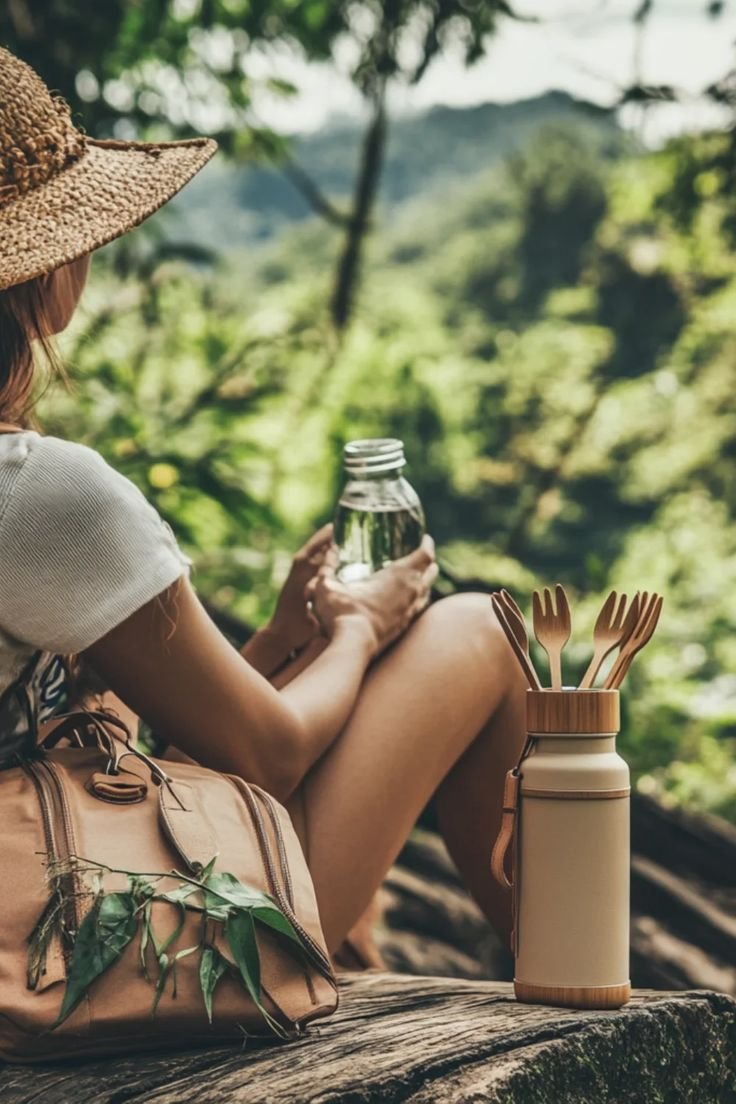

Travel doesn’t always mean boarding a plane or planning months in advance. Sometimes it’s a short weekend escape, a spontaneous road trip, or even exploring your own city differently. The idea of “everyday adventures” has quietly become more meaningful—less about distance, more about intention.
At the same time, there’s growing awareness that how we travel matters. Not in an overwhelming, guilt-driven way, but in the small decisions we make repeatedly. What we carry, where we spend, how we move—these things shape both our experience and our impact.
The interesting part? Many eco-friendly travel habits are not only simple but also practical and budget-friendly. They don’t require extreme lifestyle changes. They fit naturally into everyday adventures.
Here are ten easy eco-friendly travel lifestyle tips that can quietly transform how you explore the world—whether it’s across continents or just across town.
—
- Carry a small reusable travel kit everywhere
It starts with a habit that feels almost too simple to matter: carrying a few reusable items.
A compact kit might include:
- A reusable water bottle
- A foldable tote bag
- A small food container
- Reusable cutlery
At first, it feels like extra effort. But over time, it becomes automatic—and surprisingly impactful.
Weekly cost comparison of disposables vs reusable:
Item | Disposable Cost (7 days) | Reusable Cost
Bottled water | $14 | $2 (refill)
Plastic bags | $5 | $0
Takeaway containers | $10 | $0
Coffee cups | $21 | $0
Total | $50 | $2
Savings: ~$48/week
Environmental effect:
- Reduced plastic waste
- Lower demand for single-use products
This small kit turns everyday decisions into long-term savings without changing your routine.
—
- Walk more, even when you don’t have to
Walking is often overlooked as a “travel choice,” but it’s one of the most powerful ones.
Short distances that seem inconvenient on foot often reveal hidden details—small shops, quiet streets, local life.
Daily transport comparison:
Mode | Cost | Impact
Ride-hailing | $10–$20 | High emissions
Public transport | $2–$5 | Moderate
Walking | $0 | Zero
Weekly savings potential:
Scenario | Weekly Cost
Frequent rides | $100
Mixed transport | $40
Mostly walking | $10
Savings: up to $90/week
Walking also naturally reduces rushed decisions—like grabbing overpriced food or unnecessary items.
—
- Choose local food over packaged convenience
When you’re out exploring, it’s easy to rely on packaged snacks or familiar chains. But local food options are often cheaper, fresher, and less wasteful.
Food comparison:
Option | Cost | Packaging Waste
Packaged snacks | $3–$5 | High
Chain meals | $8–$15 | Medium
Local food | $2–$6 | Low
Daily food cost breakdown:
Eating Style | Daily Cost | Weekly Cost
Packaged-heavy | $20 | $140
Mixed | $15 | $105
Local-focused | $10 | $70
Savings: $35–$70/week
Beyond cost, local food connects you to the place in a way that packaged options never can.
—
- Travel light for short adventures
Even for short trips, people tend to overpack. The result? More hassle, less flexibility, and sometimes unnecessary spending.
Packing efficiency chart:
Category | Overpacking | Minimal Packing
Bags | 2–3 | 1 small bag
Clothes | 8–10 items | 4–5 items
Extras | “Just in case” | Essentials only
Hidden costs of overpacking:
Expense | Cost
Taxi (due to heavy luggage) | $15
Extra purchases (forgot items) | $20
Baggage fees (if applicable) | $30
Total | $65
Minimal packing reduces these costs to near zero.
It also makes spontaneous decisions easier—like walking instead of calling a ride.
—
- Support small, local businesses
Local businesses often provide better value—not just ethically, but financially.
Cost comparison:
Item | Chain Store | Local Vendor
Coffee | $5 | $2
Meal | $12 | $5
Souvenirs | $20 | $10
Daily spending comparison:
Spending Style | Daily Cost | Weekly Cost
Chain-focused | $40 | $280
Local-focused | $20 | $140
Savings: $140/week
There’s also a qualitative difference. Local businesses tend to offer more personalized experiences, even if they’re simpler.
—
- Plan loosely, not rigidly
Overplanning often leads to overpaying. Pre-booked tours, fixed schedules, and rushed itineraries create pressure to spend.
Flexible planning approach:
Planning Style | Cost Impact | Experience
Rigid itinerary | High cost | Structured
Flexible plan | Lower cost | Adaptive
Example:
Activity Type | Pre-booked | On-the-spot
City tour | $50 | $20 or free self-guided
Transport | Fixed tickets | Cheaper local options
Savings per trip: $50–$150
Flexibility also allows you to discover free or low-cost alternatives you wouldn’t have planned in advance.
—
- Reduce energy use, even when it’s not your bill
It’s easy to ignore energy consumption when you’re not paying directly for it. But small actions matter.
Simple habits:
- Turn off lights and AC when leaving
- Reuse towels
- Avoid excessive heating/cooling
Estimated indirect cost impact:
Behavior | Cost Impact (per stay)
High energy use | Built into higher room rates
Moderate use | Standard rates
Low energy use | Lower-cost eco stays
While the savings aren’t always immediate, they influence pricing structures and support sustainable accommodations.
—
- Use refill stations instead of buying bottled water
This habit overlaps with the reusable kit, but it’s important enough to stand alone.
Water cost comparison:
Option | Daily Cost | Weekly Cost
Bottled water | $2 | $14
Refill stations | $0.30 | $2
Savings: $12/week
In many cities, refill stations are becoming more common, making this habit easier than ever.
Environmental impact:
- Significant reduction in plastic waste
- Lower production demand
—
- Choose experiences over material purchases
Souvenirs are tempting, but they often end up unused.
Spending comparison:
Category | Cost | Long-term Value
Souvenirs | $50–$100 | Low
Experiences | $20–$50 | High
Free exploration | $0 | High
Weekly spending pattern:
Traveler Type | Souvenirs | Experiences | Total
Traditional | $100 | $50 | $150
Experience-focused | $20 | $50 | $70
Savings: $80/week
Memories tend to last longer than objects—and cost less.
—
- Turn everyday errands into mini-adventures
Eco-friendly travel isn’t limited to trips. It’s a mindset.
Instead of:
- Driving short distances
- Ordering delivery
- Following routine paths
Try:
- Walking or cycling
- Visiting local markets
- Exploring new routes
Daily lifestyle comparison:
Habit | Cost | Impact
Frequent driving | $10/day | High emissions
Mixed | $5/day | Moderate
Walking/cycling | $0 | Low
Monthly impact:
Lifestyle | Monthly Cost
Driving-focused | $300
Mixed | $150
Active travel | $30
Savings: $120–$270/month
This shift blends travel with daily life, making sustainability effortless.
—
Combined impact overview
When these habits come together, the difference becomes clear.
Category | Traditional Approach | Eco-Friendly Approach
Food | $140 | $70
Transport | $100 | $30
Extras | $80 | $20
Weekly total | $320 | $120
Savings: $200/week
—
Visual savings breakdown
Category Contribution:
Food: ██████████ 35%
Transport: ████████ 30%
Extras: ██████ 25%
Other: ██ 10%
—
Environmental impact snapshot
Factor | Traditional | Eco-Friendly
Waste | High | Low
Energy use | High | Reduced
Local support | Limited | Strong
Emissions | High | Lower
—
What changes over time
These habits don’t feel significant at first. But over time, they reshape how you travel—and how you live.
You become more aware of:
- What you actually need
- What you’re paying for
- What adds value to your experience
The result isn’t just savings. It’s clarity.
—
Practical quick-start checklist
Area | Action
Daily carry | Reusable kit
Transport | Walk short distances
Food | Choose local options
Packing | Keep it minimal
Spending | Track lightly
Planning | Stay flexible
—
FAQs
- Do eco-friendly travel habits really make a difference on short trips?
Yes. Even small trips involve repeated decisions—transport, food, and purchases. Small changes add up quickly. - What’s the easiest habit to start with?
Carrying a reusable water bottle is one of the simplest and most effective starting points. - Is walking always practical in cities?
Not always, but combining walking with public transport can significantly reduce costs and environmental impact. - How can I find local businesses easily?
Walk a few streets away from main tourist areas or ask locals. Prices are usually lower and quality often better. - Does eco-friendly travel require more planning?
Not necessarily. In many cases, it actually simplifies decisions by focusing on fewer, more intentional choices. - How much money can I save with these habits?
Depending on your lifestyle, savings can range from $100 to $300 per week during active travel periods.
—
Eco-friendly travel isn’t about doing everything perfectly. It’s about shifting small habits in ways that feel natural and sustainable.
Over time, those small shifts change not just how much you spend—but how you experience the world around you.
And that’s where everyday adventures begin to feel different.