

Modern travel often feels like a race against the clock. Meetings, deadlines, family obligations, and the constant pressure to stay productive mean that transportation decisions are usually made quickly—often without considering environmental impact. Yet, adopting eco-friendly transportation habits doesn’t have to be time-consuming or inconvenient. In fact, many sustainable choices can save both time and money while reducing your carbon footprint.
This article explores seven practical, fast, and eco-conscious transportation strategies tailored specifically for busy travelers. Along the way, you’ll find tables, comparisons, and actionable insights that go beyond simple advice, helping you make smarter decisions even when you’re short on time.
- prioritize direct routes over multiple connections
One of the simplest ways to reduce environmental impact is to choose direct routes whenever possible. Each takeoff, stop, or detour increases fuel consumption significantly.
For example, a non-stop flight or a direct train journey typically emits less carbon per passenger than a route with multiple connections. This is because takeoffs and landings are the most fuel-intensive phases of travel.
comparison of emissions by travel type
| travel type | average CO₂ per 1000 km | time efficiency | eco score |
|---|---|---|---|
| direct flight | 90–120 kg | high | medium |
| connecting flights | 130–180 kg | medium | low |
| high-speed train | 20–40 kg | high | high |
| car (single passenger) | 150–200 kg | medium | low |
| carpool (4 passengers) | 40–60 kg | medium | high |
quick takeaway
If time is limited, choose the most direct route available—even if the ticket price is slightly higher. You’ll often arrive faster and reduce emissions at the same time.
- use ride-sharing instead of solo rides
When you’re in a rush, booking a ride through an app is convenient. However, choosing a shared ride option instead of a private one can significantly cut emissions without adding much time.
Many ride-sharing platforms now offer pooled rides where multiple passengers heading in similar directions share a vehicle. For short urban trips, the time difference is often minimal—sometimes just 5–10 extra minutes.
impact of ride-sharing
| scenario | emissions per person | cost impact | time impact |
|---|---|---|---|
| solo ride | high | high | fastest |
| shared ride (2 people) | medium | medium | +3–5 min |
| shared ride (3–4 people) | low | low | +5–10 min |
practical tip
If your schedule has even a small buffer, choose the shared option. Over time, this simple change adds up to a meaningful reduction in your carbon footprint.
- switch to electric or hybrid vehicles when renting
Busy travelers often rely on rental cars for flexibility. Opting for an electric vehicle (EV) or hybrid instead of a traditional gasoline car is one of the fastest ways to make your trip more eco-friendly.
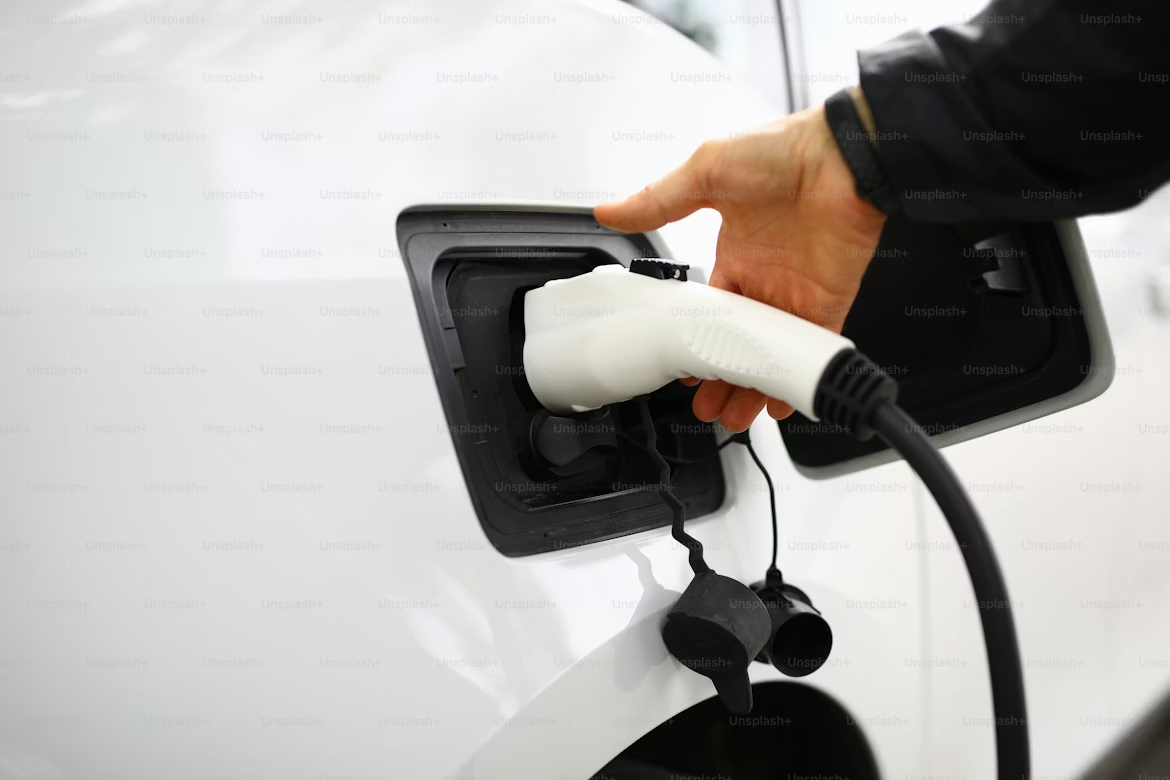
Electric cars produce zero tailpipe emissions, while hybrids use significantly less fuel. Charging infrastructure has also improved, making EVs more practical than ever—even for short business trips.
vehicle comparison
| vehicle type | fuel efficiency | emissions level | refueling time | best use case |
|---|---|---|---|---|
| gasoline car | low | high | 5 min | remote areas |
| hybrid car | medium-high | medium | 5 min | mixed travel |
| electric vehicle | very high | very low | 20–60 min | city & short trips |
time-saving insight
Choose hotels with EV charging stations so you can recharge overnight without interrupting your schedule.
- take advantage of high-speed rail systems
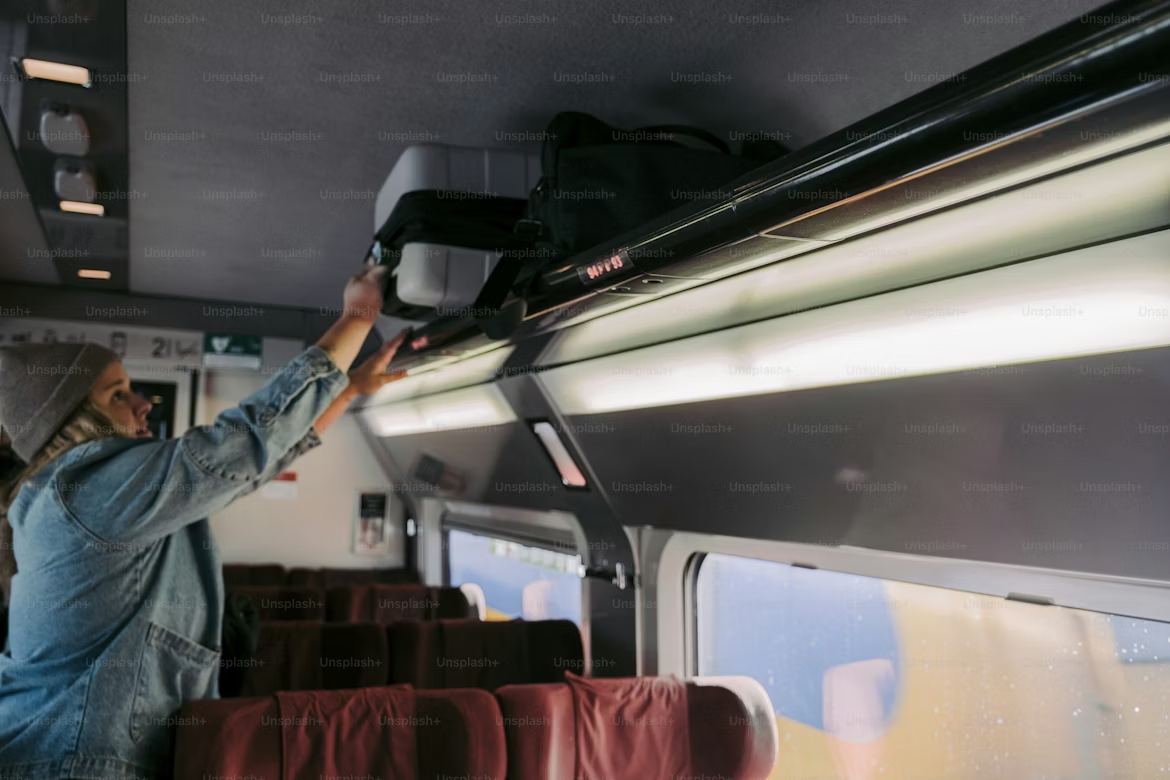
In many regions, high-speed trains offer a perfect balance between speed and sustainability. They are often faster than flights when you factor in airport security, boarding, and delays.
Trains also allow you to work, relax, or even attend meetings during the journey—something not easily done while driving or during flight procedures.
time comparison: flight vs train (500 km trip)
| factor | flight | high-speed train |
|---|---|---|
| airport arrival time | 1.5–2 hours | 15–30 min |
| travel duration | 1 hour | 2–3 hours |
| total time | 3–4 hours | 2.5–3.5 hours |
| emissions | high | low |
key benefit
Even if the train takes slightly longer in transit, the overall door-to-door time is often comparable—or even shorter.
- combine errands into one trip
This tip is especially useful for business travelers or those managing multiple commitments. Instead of making several short trips throughout the day, group your destinations into a single, efficient route.
This reduces fuel consumption, saves time, and minimizes the stress of constant travel transitions.
example of trip optimization
| approach | number of trips | fuel use | time spent traveling |
|---|---|---|---|
| separate trips | 4 | high | 2–3 hours |
| combined route | 1 | low | 1–1.5 hours |
real-world application
Plan your itinerary the night before. Use mapping apps to arrange stops in the most efficient sequence.
- embrace micro-mobility for short distances
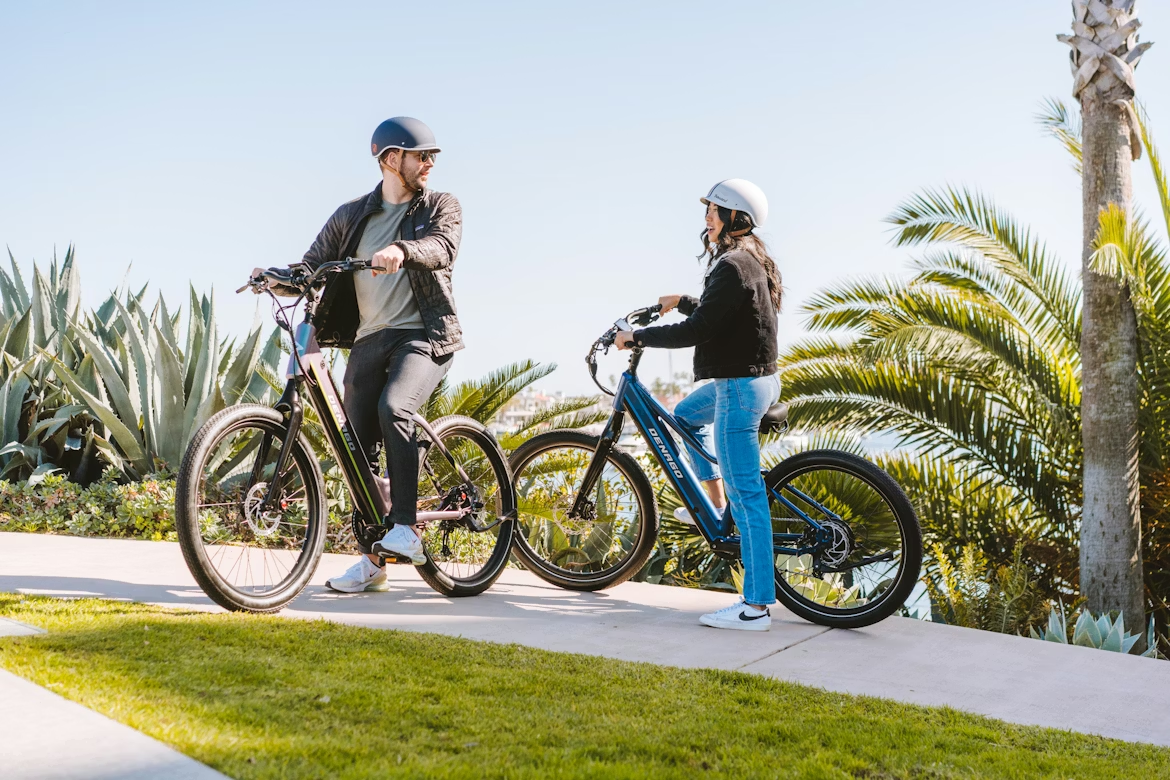
For distances under 5 kilometers, micro-mobility options such as bicycles, e-scooters, or even walking can be faster than cars—especially in congested urban areas.
These options eliminate fuel use entirely and often bypass traffic, making them ideal for quick trips between meetings or local destinations.
micro-mobility comparison
| mode | average speed | emissions | convenience | best for |
|---|---|---|---|---|
| walking | 5 km/h | none | medium | very short trips |
| bicycle | 15 km/h | none | high | city travel |
| e-scooter | 20 km/h | very low | high | quick urban hops |
| car | variable | high | high | long distances |
efficiency tip
In busy city centers, micro-mobility can cut travel time by avoiding parking and traffic delays.
- choose eco-conscious transportation apps
Technology can make sustainable travel decisions almost effortless. Many apps now provide real-time data on emissions, route efficiency, and alternative transportation options.
These tools help you compare different travel methods instantly, allowing you to choose the fastest and most eco-friendly option without extra research.
features to look for in apps
| feature | benefit |
|---|---|
| carbon tracking | shows environmental impact |
| route optimization | saves time and fuel |
| multi-modal planning | combines train, bike, and ride-share |
| real-time updates | avoids delays and congestion |
smart habit
Set your preferred default options in these apps (e.g., “lowest emissions” or “fastest eco route”) so decisions are automatic.
carbon savings overview chart
Below is a simplified comparison of how much carbon you can save by adopting these tips over a typical week of travel:
| action taken | estimated weekly CO₂ savings |
|---|---|
| choosing direct routes | 10–25% reduction |
| using ride-sharing | 15–30% reduction |
| switching to EV/hybrid | 20–50% reduction |
| using high-speed rail | 40–70% reduction |
| combining trips | 10–20% reduction |
| micro-mobility usage | 100% (short trips) |
| eco-friendly apps optimization | 5–15% reduction |
practical daily eco-travel plan for busy travelers
Here’s an example of how a busy traveler might integrate these tips into a single day:
| time | activity | eco-friendly choice |
|---|---|---|
| 8:00 am | commute to meeting | shared ride |
| 10:00 am | travel across city | e-scooter |
| 1:00 pm | lunch meeting | walking |
| 3:00 pm | visit multiple clients | combined route |
| 7:00 pm | return to hotel | electric rental car |
This approach reduces emissions while maintaining a tight, efficient schedule.
final thoughts
Eco-friendly travel doesn’t require major sacrifices, especially for busy individuals. In many cases, sustainable choices align naturally with efficiency, saving both time and money. The key is to make small, intentional decisions—choosing direct routes, sharing rides, leveraging technology, and embracing alternative transport modes.
Over time, these habits become second nature, turning even the busiest travel schedule into a more sustainable one.
frequently asked questions
- does eco-friendly travel always take more time?
Not necessarily. Options like high-speed trains, direct routes, and micro-mobility can actually save time by reducing delays, traffic, and waiting periods. - are electric vehicles practical for short business trips?
Yes. With increasing charging infrastructure and shorter travel distances, EVs are often ideal for city-based or regional trips. - how can i reduce emissions when flying is unavoidable?
Choose direct flights, pack light, and consider airlines with newer, fuel-efficient aircraft. You can also offset carbon emissions if available. - is ride-sharing really effective in reducing carbon footprint?
Yes. Sharing a ride distributes emissions across multiple passengers, significantly lowering the per-person impact. - what is the fastest eco-friendly transport for cities?
E-scooters and bicycles are often the fastest for short urban distances, especially during peak traffic hours. - do eco-friendly travel apps make a big difference?
They can. By providing optimized routes and emission data, these apps help you make better decisions instantly, saving both time and resources.
By integrating even a few of these strategies into your routine, you can travel smarter, faster, and more sustainably—without disrupting your busy lifestyle.