
Travel has always carried a sense of freedom—the kind that loosens routines, widens perspective, and quietly reshapes priorities. But in recent years, two realities have begun to intersect in meaningful ways: the rising cost of travel and the growing urgency of environmental responsibility. Many travelers assume that choosing eco-friendly options automatically means paying more. In practice, the opposite can often be true.
Sustainable travel, when approached thoughtfully, can significantly reduce expenses while minimizing environmental impact. The key lies in understanding how consumption patterns, transportation choices, and accommodation habits influence both your wallet and the planet.
This article explores five proven eco-friendly travel budget tricks that not only make your trips more affordable but also more intentional and rewarding. Along the way, you’ll find practical insights, data tables, and actionable frameworks to help you travel smarter.
trick 1: travel slow and stay longer

One of the simplest yet most overlooked ways to cut travel costs and reduce environmental impact is to slow down. Fast-paced travel—jumping between cities every two or three days—tends to increase transportation costs, accommodation turnover, and overall consumption.
When you stay longer in one place, several cost-saving advantages naturally emerge:
- Lower transportation expenses due to fewer trips
- Discounted accommodation rates for extended stays
- Reduced reliance on packaged tours and high-cost attractions
- Opportunity to shop locally and cook instead of dining out
From an environmental standpoint, fewer flights or long-distance transfers mean a smaller carbon footprint.
Here’s a comparison of fast travel versus slow travel:
| Travel Style | Avg Daily Cost | Transport Frequency | Carbon Impact | Experience Depth |
|---|---|---|---|---|
| Fast Travel | High | Frequent | High | Surface-level |
| Slow Travel | Moderate | Minimal | Lower | Deep & immersive |
A traveler who spends 10 days in three cities often pays significantly more than someone who spends those same 10 days in one location. The latter builds familiarity, finds cheaper local spots, and avoids repeated transit costs.
Slow travel also encourages a different mindset. Instead of checking off landmarks, you start noticing rhythms—morning markets, neighborhood cafés, and local routines. These experiences tend to be low-cost or free, yet far richer than expensive tourist attractions.
trick 2: choose eco-friendly transportation wisely
Transportation is typically the largest contributor to both travel expenses and carbon emissions. While flights are sometimes unavoidable, there are smarter ways to approach mobility.
Whenever possible, prioritize:
- Trains over flights
- Buses over private cars
- Walking or cycling for short distances
- Shared transport instead of solo rides
Not only are these options often cheaper, but they also offer more immersive travel experiences.
Consider this simplified comparison:
| Mode of Transport | Cost Efficiency | Emissions Level | Experience Quality |
|---|---|---|---|
| Airplane | Moderate | Very High | Limited |
| Train | High | Low | Scenic & relaxed |
| Bus | Very High | Moderate | Practical |
| Bicycle/Walking | Free/Minimal | None | Highly immersive |
Trains, in particular, strike an ideal balance between affordability and sustainability. In many regions, booking tickets in advance can significantly reduce costs. Overnight trains also eliminate the need for a night’s accommodation, effectively combining travel and lodging into one expense.
Walking and cycling, meanwhile, reveal a destination in ways no vehicle can. You discover hidden corners, interact with locals, and avoid transportation costs entirely.
The broader lesson is this: the less fuel-intensive your movement, the more money you tend to save.
trick 3: stay in sustainable and budget-friendly accommodations
Accommodation is another major expense, but eco-conscious options are often surprisingly affordable. The key is to move away from conventional hotel thinking and explore alternatives that emphasize sustainability.
Options include:
- Eco-lodges and guesthouses
- Homestays with local families
- Hostels with sustainability initiatives
- Short-term rentals with energy-efficient features
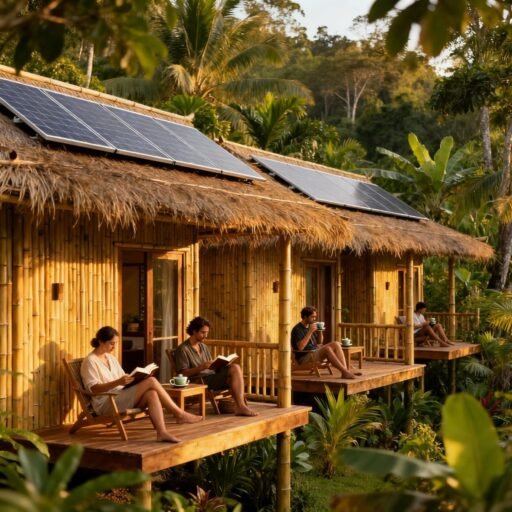
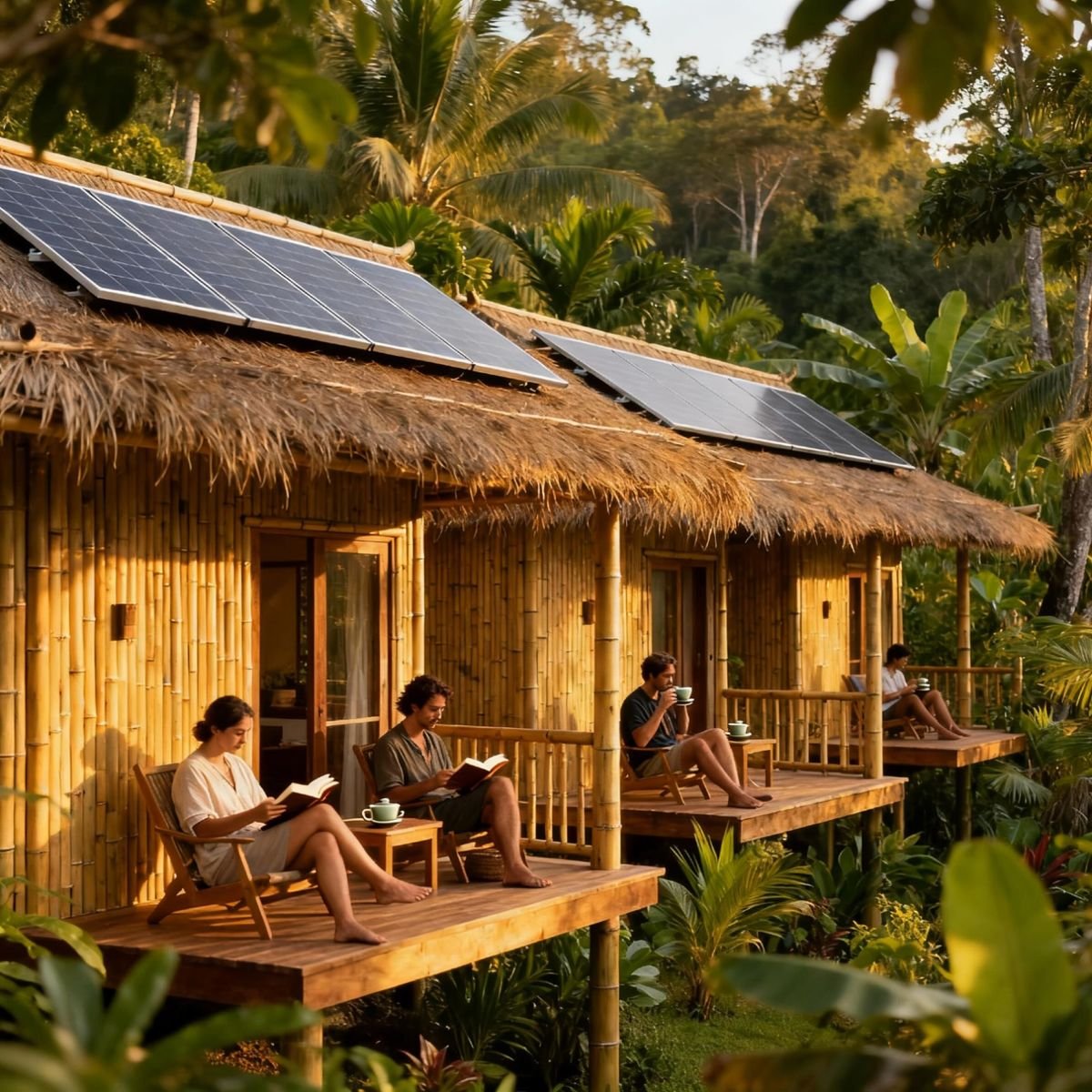
Many eco-friendly accommodations reduce costs by conserving resources—solar power, water-saving systems, and minimal waste practices. These savings often translate into lower prices for guests.
Here’s a breakdown:
| Accommodation Type | Avg Cost | Eco Impact | Additional Benefits |
|---|---|---|---|
| Luxury Hotel | High | High | Comfort-focused |
| Budget Hotel | Moderate | Moderate | Basic amenities |
| Eco-Lodge | Moderate | Low | Nature integration |
| Hostel | Low | Low | Social environment |
| Homestay | Low | Very Low | Cultural immersion |
Homestays, in particular, offer exceptional value. Not only are they cheaper, but they often include home-cooked meals and local insights that can save you money on dining and activities.
Another overlooked advantage is location. Eco-accommodations are often situated away from heavily commercialized areas, where prices for food, transport, and activities tend to be lower.
trick 4: eat local, seasonal, and low-waste meals
Food is one of the most enjoyable aspects of travel, but it can quickly become a major expense if not approached thoughtfully. Eco-friendly eating habits naturally align with budget-friendly practices.
The core idea is simple: eat what locals eat, where they eat it.
This usually means:
- Street food stalls
- Local markets
- Small family-run restaurants
- Seasonal produce
These options are not only cheaper but also fresher and more authentic. Imported or heavily packaged foods, often found in tourist-heavy areas, tend to be more expensive and environmentally taxing.
Consider this cost comparison:
| Food Choice | Avg Cost per Meal | Environmental Impact | Authenticity |
|---|---|---|---|
| Tourist Restaurant | High | High | Low |
| Chain Restaurant | Moderate | Moderate | Low |
| Local Eatery | Low | Low | High |
| Street Food | Very Low | Low | Very High |
| Self-Cooked Meals | Minimal | Very Low | Moderate |
Carrying a reusable water bottle, utensils, and shopping bag also reduces reliance on single-use plastics and saves money over time.
If your accommodation allows it, cooking a few meals yourself can dramatically reduce daily expenses. Even preparing breakfast or simple dinners adds up to noticeable savings across a trip.
trick 5: minimize waste and pack intentionally
Packing is rarely seen as a financial strategy, but it has a direct impact on both cost and sustainability. Overpacking often leads to extra baggage fees, unnecessary purchases, and inefficient travel.
An eco-conscious packing strategy focuses on versatility and minimalism.
Key principles include:
- Pack multi-purpose clothing
- Bring reusable essentials (bottle, bag, containers)
- Avoid single-use items
- Choose durable over disposable
Here’s a simple comparison:
| Packing Style | Luggage Cost | Waste Generated | Travel Convenience |
|---|---|---|---|
| Overpacking | High | High | Low |
| Minimalist Packing | Low | Low | High |
For example, carrying a lightweight reusable bottle eliminates the need to buy bottled water repeatedly. A compact tote bag reduces reliance on plastic bags during shopping.
Packing intentionally also reduces impulse spending. When you already have what you need, you’re less likely to buy redundant items during your trip.
over time savings comparison
To better understand how these tricks combine, here’s an estimated comparison of a traditional travel approach versus an eco-friendly budget approach over a 7-day trip:
| Expense Category | Traditional Travel | Eco-Friendly Travel | Savings |
|---|---|---|---|
| Transport | $400 | $200 | $200 |
| Accommodation | $700 | $350 | $350 |
| Food | $350 | $175 | $175 |
| Activities | $250 | $100 | $150 |
| Miscellaneous | $150 | $75 | $75 |
| Total | $1850 | $900 | $950 |
These numbers are illustrative, but they highlight a consistent pattern: eco-friendly choices tend to reduce unnecessary spending while enhancing the overall experience.
why eco-friendly travel naturally saves money
At its core, sustainable travel is about reducing excess. And excess—whether in transportation, consumption, or waste—is almost always tied to higher costs.
When you:
- Travel less frequently between locations
- Use shared or low-impact transport
- Consume locally produced goods
- Avoid disposable items
You are essentially cutting out layers of spending that don’t add meaningful value to your experience.
In this sense, eco-friendly travel isn’t a restriction—it’s a refinement. It shifts focus from quantity to quality, from convenience to connection.
practical checklist for your next trip
Before your next journey, consider this quick checklist:
- Can I reduce the number of destinations?
- Are there train or bus alternatives to flights?
- Is my accommodation locally owned or eco-conscious?
- Can I rely on local food instead of imported options?
- Have I packed reusable essentials?
Even applying two or three of these adjustments can noticeably lower costs and environmental impact.
faqs
- is eco-friendly travel always cheaper?
Not always, but it often is. While some eco-luxury options can be expensive, most sustainable practices—like using public transport, eating locally, and reducing waste—naturally lower costs.
- how can i find eco-friendly accommodations on a budget?
Look for keywords like “eco-lodge,” “sustainable guesthouse,” or “homestay.” Reading reviews and checking for certifications or sustainability practices can also help identify genuine options.
- does slow travel really make a big difference financially?
Yes. Staying longer in one place reduces transport costs, allows for discounted accommodation rates, and helps you discover cheaper local options.
- what is the easiest eco-friendly habit to start with?
Carrying a reusable water bottle and avoiding single-use plastics is one of the simplest and most effective habits. It saves money and reduces waste immediately.
- can i travel sustainably in cities, or is it only for nature trips?
Sustainable travel applies everywhere. In cities, you can use public transport, eat at local restaurants, and choose eco-conscious accommodations just as easily.
- how do i balance comfort and eco-friendly choices?
Start with small adjustments rather than extreme changes. Choose efficient transport, moderate accommodations, and local food while maintaining the level of comfort that suits you.
In the end, affordable and eco-friendly travel are not competing goals. They are deeply aligned. By simplifying how you move, where you stay, and what you consume, you create a travel experience that is not only lighter on your budget but also richer in meaning.