
introduction
Long trips change the way you see travel. When you are away from home for weeks or months, packing stops being a quick routine and becomes something much more important. Every item you carry affects your comfort, your budget, and surprisingly, the environment. Most travelers do not realize that packing choices influence fuel consumption, plastic waste, and overall sustainability.
When luggage gets heavier, transportation requires more energy. When travelers rely on disposable products, waste increases in places that may already struggle with proper disposal systems. When items are poorly chosen, they break easily and end up in landfills. These problems may seem small on an individual level, but multiplied by millions of travelers, the impact becomes serious.
Eco-friendly packing is not about carrying less for the sake of sacrifice. It is about carrying smarter. It means choosing items that last longer, serve multiple purposes, and reduce waste. It also means preparing in a way that supports both your personal convenience and the health of the places you visit.
Long trips especially benefit from sustainable packing because you depend more on your belongings. You cannot simply go home and replace something easily. Your choices need to be reliable, practical, and thoughtful.
The good news is that eco-friendly packing does not make travel harder. In many cases, it makes travel easier. Your bag becomes lighter. You avoid unnecessary purchases. You feel more organized and more confident wherever you go.
These seven essential eco-friendly travel packing tips are designed specifically for long trips. They focus on practical habits that make a real difference without complicating your journey.
tip 1: choose a durable, high-quality travel bag that lasts for years
The most important eco-friendly packing decision begins before you even start packing. It starts with the bag itself. Cheap bags may look attractive because of their low price, but they often break after a few trips. Zippers fail, wheels stop working, and fabric tears. When that happens, the bag gets thrown away and replaced, creating unnecessary waste.
A durable, well-made bag can last for many years. It may cost more initially, but it reduces waste and saves money over time. Strong stitching, reliable zippers, and sturdy materials make a huge difference during long trips.
Backpacks are often more eco-friendly than large suitcases, especially for long-term travel. They encourage you to pack only what you truly need. They also make it easier to walk, use public transportation, and avoid taxis.
Choosing the right size is equally important. Larger bags tempt travelers to fill extra space with unnecessary items. A medium-sized bag encourages smarter decisions and reduces weight.
Neutral colors and simple designs also extend the life of a bag. Trends change quickly, but classic designs remain useful for years. This reduces the desire to replace bags simply because they look outdated.
Some travel bags are made from recycled or sustainable materials. These options further reduce environmental impact while maintaining durability.
A good travel bag becomes more than just luggage. It becomes a trusted companion that supports many journeys without contributing to waste.
tip 2: pack versatile clothing that works in multiple situations
Clothing is usually the largest part of any travel bag. Many travelers pack too many outfits because they want options. However, this leads to heavier luggage and unnecessary consumption.
Eco-friendly packing focuses on versatility. Instead of packing many single-purpose outfits, choose clothing that works in different environments. A simple shirt can be worn casually during the day and dressed up in the evening. Lightweight layers allow you to adjust to different temperatures without carrying heavy items.
Neutral colors help create more combinations. When everything matches easily, fewer items are needed. This reduces both weight and environmental impact.
Quick-drying fabrics are especially useful for long trips. They allow you to wash clothes easily and reuse them quickly. This reduces the need to carry excessive amounts of clothing.
Durable fabrics are also important. High-quality clothing lasts longer and resists damage. This prevents the need to buy replacements during your trip.
Avoid fast fashion items that wear out quickly. Instead, choose clothing designed to last. This supports sustainability and improves your travel experience.
Packing fewer, better items makes your bag lighter and your trip simpler.
tip 3: bring reusable essentials to eliminate single-use waste
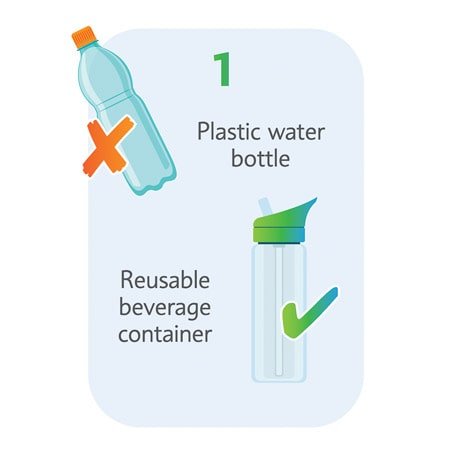
Single-use products are one of the biggest environmental problems in travel. Plastic bottles, disposable utensils, and packaging create waste that often ends up in oceans or landfills.
Reusable items offer a simple solution. A reusable water bottle is one of the most important items you can carry. It reduces plastic waste and saves money. Many airports, hotels, and public places now provide refill stations.
Reusable shopping bags are also extremely useful. They take up very little space and help avoid plastic bags when shopping or buying food.
Reusable utensils allow you to eat anywhere without relying on disposable plastic. This is especially helpful when buying takeaway food.
A reusable coffee cup is another excellent addition. Many cafes accept reusable cups, and some even offer discounts for using them.
These small items create a big impact over time. They reduce waste, save money, and make travel more sustainable.
tip 4: switch to solid toiletries to reduce plastic and save space
Liquid toiletries are common in travel, but they often come in plastic containers. They can leak, take up space, and contribute to waste.
Solid alternatives offer a better solution. Solid shampoo, soap, and conditioner last longer and require less packaging. They are also easier to carry because they do not count as liquids during airport security.
Solid toiletries reduce the risk of leaks and make packing simpler. They also eliminate the need for travel-sized plastic bottles.
Many solid products are made with natural ingredients, which are safer for the environment.
Using solid toiletries is a small change that makes packing more efficient and eco-friendly.
tip 5: pack multi-purpose items to reduce overall weight and consumption
Multi-purpose items reduce the number of things you need to carry. This saves space and reduces environmental impact.
A scarf, for example, can be used for warmth, sun protection, or even as a pillow. Comfortable shoes can work for both walking and casual outings.
A smartphone replaces many single-purpose devices, including maps, cameras, and travel guides.
Choosing items that serve multiple functions simplifies packing and reduces waste.
This approach also makes travel more flexible and convenient.
tip 6: carry a small repair kit to extend the life of your belongings

Items sometimes break during long trips. Buttons fall off, straps tear, and small problems appear.
Instead of throwing items away, a small repair kit allows you to fix them. A needle, thread, and basic tools can extend the life of clothing and gear.
Repairing items reduces waste and saves money. It also helps you stay prepared in unexpected situations.
This simple habit supports sustainability and self-reliance.
tip 7: avoid overpacking and focus on mindful preparation
Overpacking is one of the most common travel mistakes. Extra items increase weight and often remain unused.
Mindful packing focuses on essentials. Think carefully about what you truly need. Avoid packing items “just in case” unless they are truly important.
Lighter bags reduce fuel consumption and make travel easier.
Mindful preparation improves both sustainability and comfort.
the deeper benefits of eco-friendly packing
Eco-friendly packing improves more than environmental impact. It improves the travel experience itself.
You move more freely, feel more organized, and avoid unnecessary stress.
Your choices also support a larger movement toward responsible travel.
small changes create lasting impact
Every reusable item, every durable product, and every thoughtful decision contributes to a better future.
Eco-friendly packing is not about perfection. It is about awareness.
conclusion
Long trips offer incredible opportunities for growth and discovery. Packing responsibly ensures those opportunities do not harm the environment.
By choosing durable bags, versatile clothing, reusable items, solid toiletries, multi-purpose tools, repair kits, and mindful preparation, you create a travel experience that is both sustainable and enjoyable.
Eco-friendly packing makes travel lighter, simpler, and more meaningful.
Your journey becomes not only an exploration of the world, but also a way to protect it.