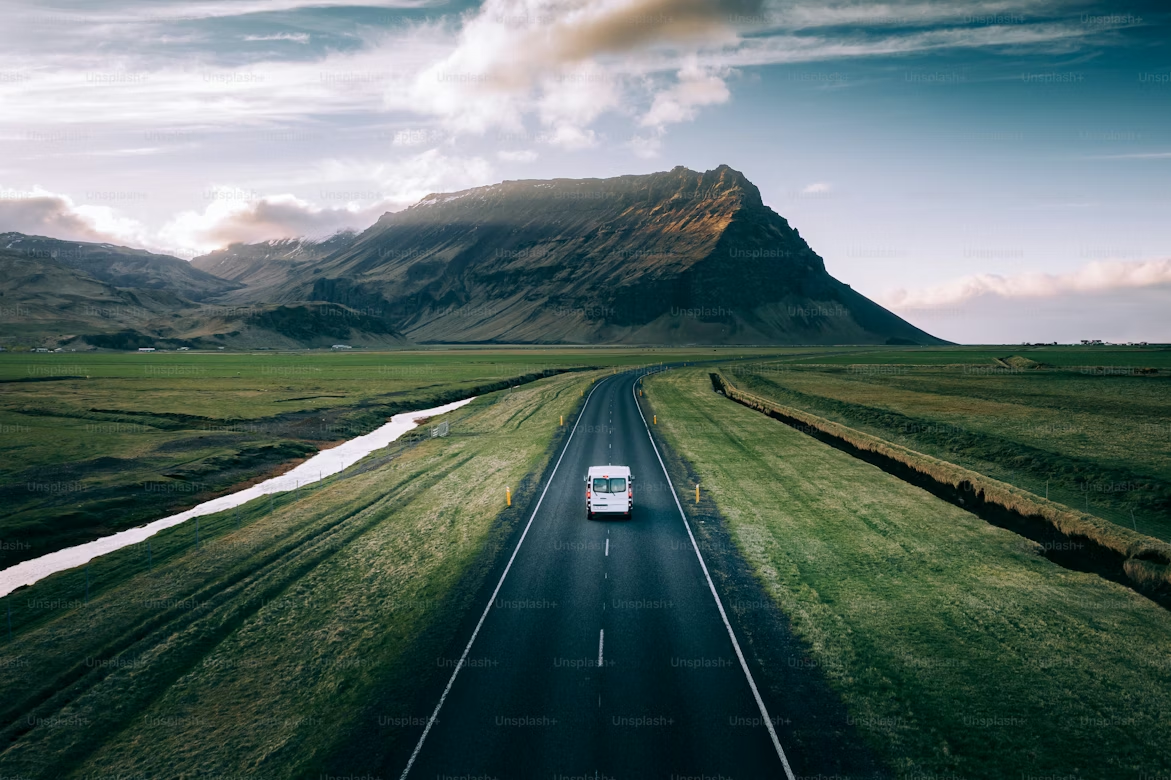


Getting from point A to point B is the backbone of any trip, but how you do it makes a huge difference in your overall impact on the environment. Planes, cars, cruises—they all add up in terms of emissions, fuel use, and strain on places you visit. The good news is you don’t have to swear off travel or turn every journey into a hardship to travel greener. Small, realistic changes to how you move around can cut your carbon footprint noticeably while often making the experience more enjoyable, cheaper, or memorable.
These 12 tips are geared toward everyday travelers—families on vacation, couples exploring, solo backpackers, business folks squeezing in a side trip. They’re easy to implement, don’t require fancy equipment or huge budgets, and focus on transportation choices that lower emissions, reduce waste, and support better systems. Many draw from what regular people share after trips where they tried something different and liked the results. Start with one or two that fit your next adventure, and build from there. Over time, greener transport becomes second nature.
Tip 1: Opt for trains over short-haul flights
For distances under 500-600 miles, trains often beat flying on emissions, cost, and stress. No security lines, no baggage fees, and you arrive in the city center instead of an airport far out. In Europe, high-speed rail networks connect places quickly with a fraction of the carbon of planes. In the US or parts of Asia, scenic routes like Amtrak’s Coast Starlight or Japan’s Shinkansen make the journey part of the fun.

Check schedules early—book ahead for deals—and enjoy the views rolling by. It’s slower sometimes, but you skip the hassle of airports and feel like you’re actually traveling, not just transporting. Many say once they switch, they never go back for those mid-range routes.
Tip 2: Use public buses and coaches for intercity travel
Buses get a bad rap sometimes, but modern long-distance coaches are comfortable, affordable, and far greener than driving alone or flying. Companies like FlixBus in Europe or Greyhound/Megabus in the US fill seats efficiently, meaning lower emissions per passenger. Overnight options save on a hotel night too.
Look for routes with Wi-Fi, power outlets, and bathrooms. Pack snacks and a neck pillow—it’s like a moving lounge. In many countries, buses reach smaller towns trains miss, so you access off-the-beaten-path spots sustainably. The savings often let you splurge on local experiences instead.
Tip 3: Walk as much as possible in cities
The simplest, zero-emission way to get around: your own two feet. Walking lets you notice details—street art, hidden cafes, local life—that you miss from a vehicle. Most city centers are compact enough for this; in places like Paris, Rome, or Kyoto, walking is the best way to soak it in.
Wear comfortable shoes, use apps like Citymapper or Google Maps for routes, and plan stops. If distances stretch, combine with public transit. Walking also boosts health and mood—no jet lag fog when you’re moving. It’s free, flexible, and leaves the tiniest footprint.
Tip 4: Rent bikes or join bike-share programs
Cities worldwide now have bike-share schemes—grab a bike from a dock, ride where you need, drop it off. It’s cheap (often under a few dollars per ride), fun, and emissions-free. In places like Amsterdam, Copenhagen, or New York, cycling is built into the infrastructure with dedicated lanes.
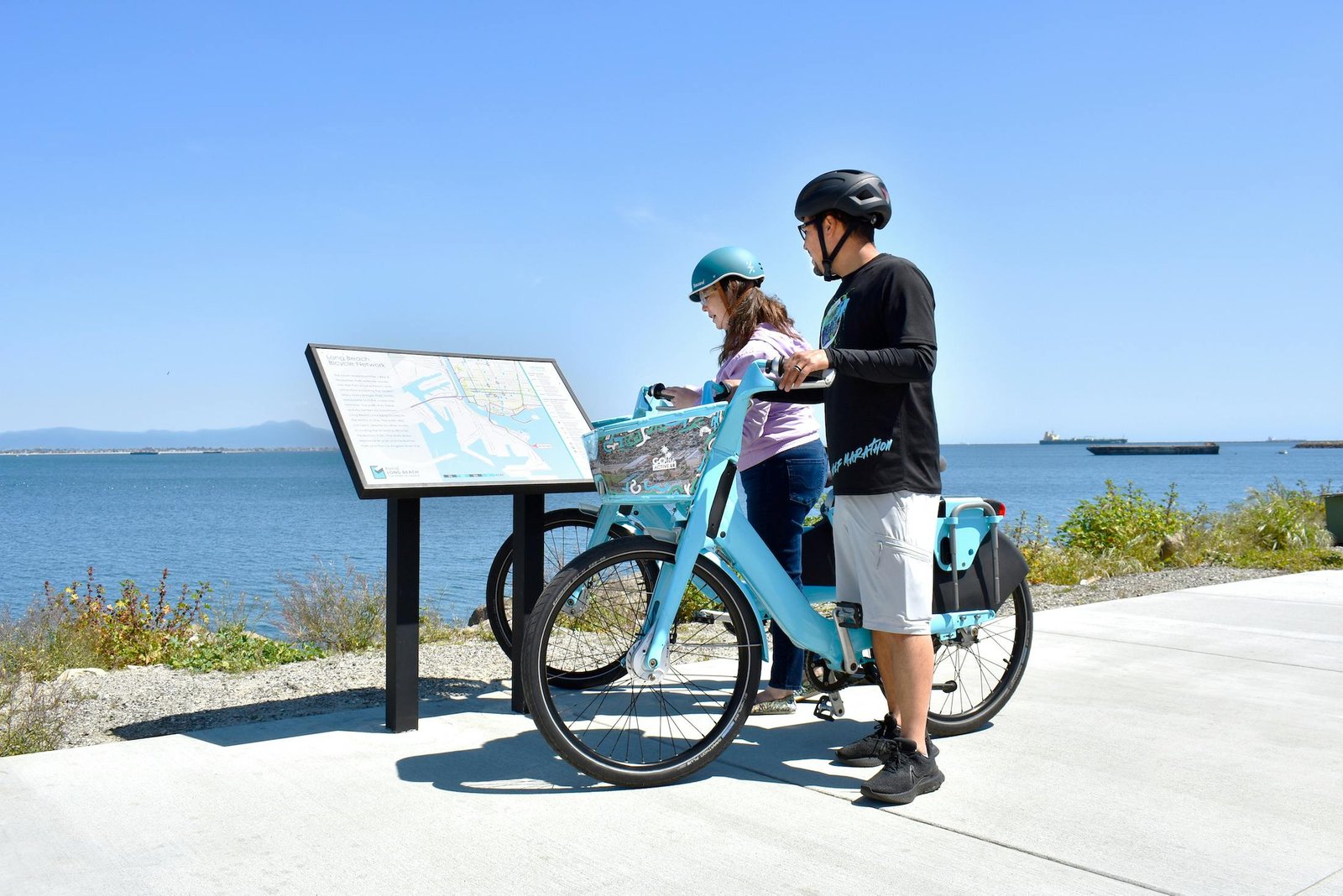
If you’re unsure about traffic, start with e-bikes for hills or longer distances. Bring a lock if renting privately, or use helmet apps if required. Cycling gets you fresh air, exercise, and a local’s-eye view without adding to congestion or pollution.
Tip 5: Choose electric or hybrid rentals when driving is necessary
If you need a car—for rural areas, family trips, or remote spots—go electric or hybrid. Many rental companies now offer EVs with growing charging networks. Apps like PlugShare or ABRP help plan routes around chargers.
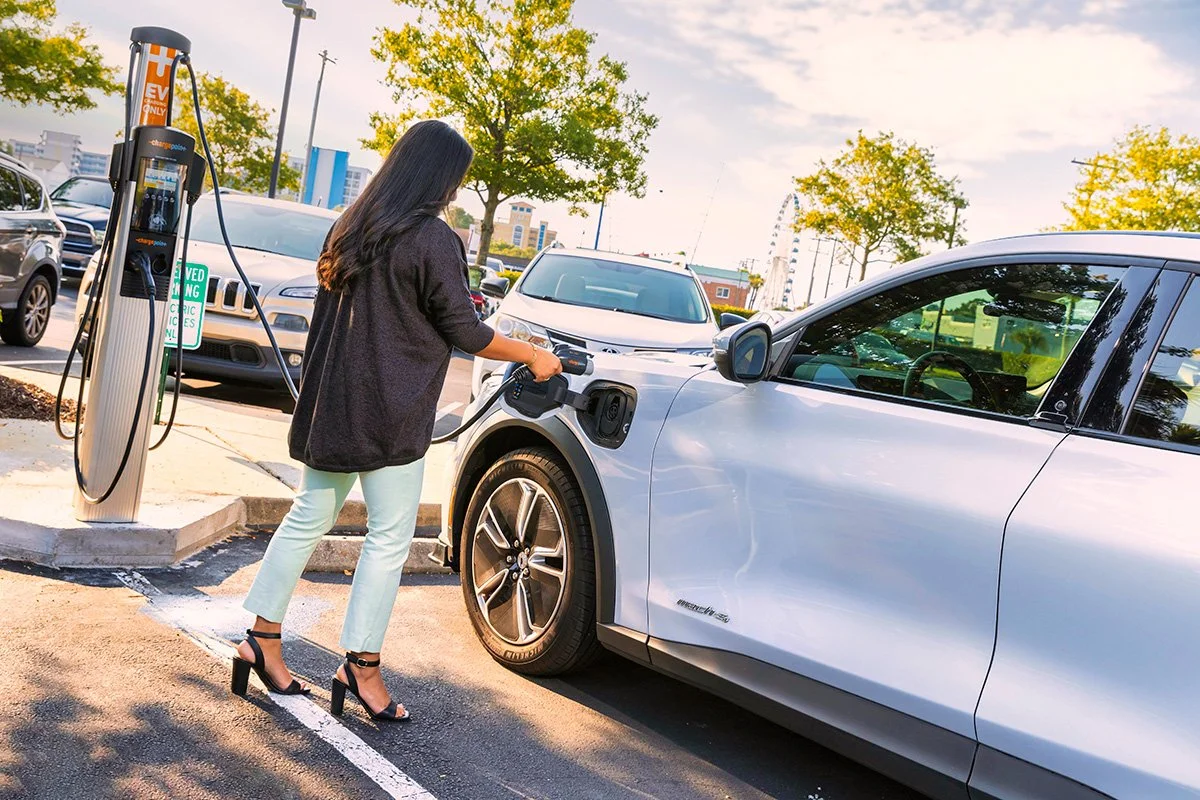
MBACC Now Offers Complimentary Electric Vehicle Charging at Oak Street Visitors Center — Myrtle Beach Area CVB Partner Connect
EVs produce zero tailpipe emissions, and even on grid power, they’re cleaner than gas cars in most places. Hybrids bridge the gap if full EV isn’t practical. Book early for availability, and enjoy the quiet ride and lower fuel costs. It’s a step up from standard rentals without much extra hassle.
Tip 6: Carpool or use ride-sharing apps wisely
Going solo in a car multiplies emissions. Carpool with friends, family, or strangers via apps like BlaBlaCar (popular in Europe) or local equivalents. Share costs, conversation, and the drive.
For shorter hops, Uber/Lyft pool options or local shared rides cut per-person impact. If solo, choose smaller, efficient vehicles over SUVs. Combine errands or plan routes to minimize empty miles.
Tip 7: Prioritize public transit passes for city exploration
Most major cities sell day or multi-day transit passes—unlimited rides on buses, trams, metros. Buy one on arrival (or via app) and forget about tickets. It’s cheaper than individual fares and encourages using the system over taxis.
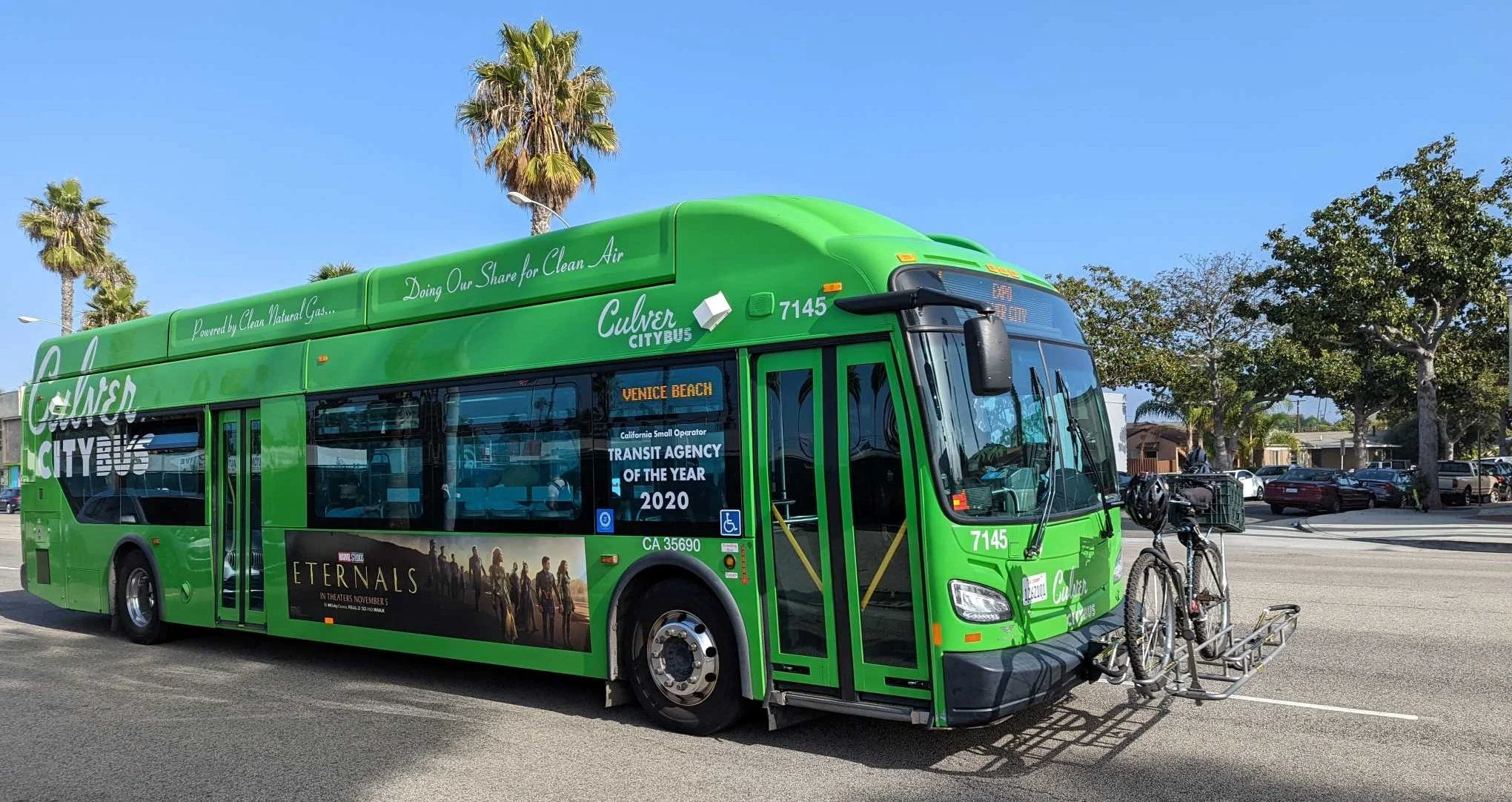
Learn the basics from maps or locals—many systems are intuitive once you start. You’ll cover more ground, avoid parking nightmares, and support public transport that reduces overall city emissions.
Tip 8: Avoid cruises for short trips; choose ferries instead
Large cruise ships burn massive fuel and can overwhelm ports. For coastal or island hopping, ferries are often greener—smaller, more efficient, and integrate with local transport. In places like Greece, Norway, or Canada, ferries offer scenic rides with lower impact.
Book foot-passenger if possible—no car needed. Enjoy deck views and fresh air without the mega-ship crowds.
Tip 9: Offset unavoidable flights thoughtfully
Flying long-haul? Offset emissions through reputable programs that fund reforestation, renewables, or community projects. Use calculators from Gold Standard or Atmosfair to estimate, then contribute.
It’s not perfect, but paired with fewer flights and direct routes, it helps. Some airlines offer built-in offsets—choose those.
Tip 10: Pack light to reduce transport weight
Heavy luggage means more fuel burned, whether flying or driving. Stick to carry-on, wear layers, choose multi-use items. Lighter load = lower emissions across all modes.
This ties back to greener choices overall—less weight everywhere helps.
Tip 11: Combine trips and stay longer in one base
Instead of multiple short hops, base in one spot and do day trips by train/bus/bike. Fewer moves mean fewer emissions from check-ins, transport shifts.
Slow travel lets you explore deeper with less impact.
Tip 12: Support and use low-emission innovations
Seek out electric buses, hydrogen trains, or bike taxis in destinations pushing green tech. Vote with your wallet—use them, share positive experiences.
The more demand, the faster these options grow.
These tips make greener travel accessible and often better. You see more, spend smarter, feel good about choices. Start small—maybe trains and walking next trip—and watch how natural it feels. The planet benefits, and your journeys get richer.