

When tourists hear about being green while traveling, most of them assume it refers to packing a reusable bag or having that drink without a plastic straw.
That’s a start. But it’s hardly scratching the surface.
The fact is, some of the most potent eco-friendly travel habits are also the ones no one thinks to talk about. They don’t sit on travel blogs. They don’t come printed on hotel key cards. And most tourists will never notice they’re there.
That changes today.
This post explores six lesser-known, but truly impactful eco-friendly travel tips that most tourists completely ignore. No matter how many green trips you’ve already been on — whether you’re looking for your first or already sustainable from the word go — at least one of these will surprise you.
Let’s get into it.
Why Almost All “Green Travel” Tips Are Barely Scratching the Surface
You’ve likely seen the standard tips. Carry a reusable water bottle. Take shorter showers. Turn off the hotel lights.
These things matter. But they are the visible tip of a far larger iceberg.
The true environmental costs of travel are buried in choices people hardly ever question. It’s in the tour companies you are quietly funding. The digital habits on your phone. Souvenirs that languish on shop shelves. The time of year in which you go.
According to a 2023 report by the United Nations Environment Programme, tourism accounts for roughly 8% of global greenhouse gas emissions when transportation, accommodation, food and activities are all factored in. That’s a significant number — and it mostly stems from choices tourists don’t even realize they’re making.
The good news? Once you see these hidden impacts, fixing them isn’t as difficult as you might think.
Tip 1: Travel During Low Season — The Green Choice Nobody Talks About
How Peak Season Tourism Quietly Destroys Places
Barcelona is an obvious place to be in July. Or Bali in August. Or the Amalfi Coast at the peak of summer.
But here’s what a majority of tourists just don’t get: overtourism is one of the biggest environmental challenges facing popular destinations today. When too many people visit at once, it strains water supplies, destroys fragile ecosystems, clogs narrow streets with cars and overwhelms local waste management systems.
Consider Venice, which has an annual influx of about 30 million visitors — when its permanent population hovers around 250,000. The weight of crowds is literally pulling the city down faster, eroding its canals and driving away local residents.
The Off-Season Advantage — For You and the Planet
Traveling in the off-season, or the shoulder season — which is either just before peak time or right after it — comes with benefits that reach far beyond lower prices.
Here’s a breakdown:
| Factor | Peak Season | Off-Season |
|---|---|---|
| Crowds | Overcrowded, stressful | Relaxed, authentic feel |
| Prices | High (flights, hotels, tours) | Significantly lower |
| Environmental pressure | Maximum strain on resources | Much lighter impact |
| Wildlife encounters | Disturbed by tourist volume | More natural behavior |
| Local interaction | Rushed and transactional | Slower, more genuine |
| Carbon per tourist | Higher (more vehicles, more waste) | Lower overall footprint |
Which Destinations Benefit Most from Off-Season Visits?
Almost every major destination does. But these are especially important:
Coastal ecosystems like coral reefs and mangroves require quiet months to heal. Beaches see less damage to fragile sand ecosystems during off-peak periods.
Mountain regions like the Alps or Himalayas are experiencing severe erosion in popular trekking seasons due to overcrowded paths.
Ancient heritage sites like Machu Picchu and Angkor Wat have implemented visitor caps because peak-season crowds are physically eroding the structures.
Traveling off-season is undoubtedly one of the most eco-friendly travel decisions you can make — and you’ll probably have a better trip for it.
Tip 2: Keep an Eye on Your Digital Carbon Footprint While Traveling
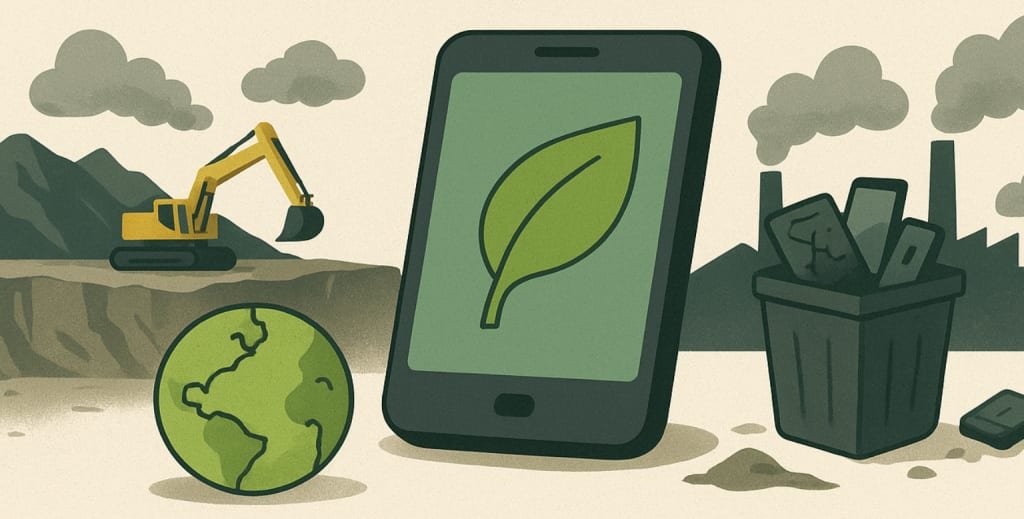
The Invisible Pollution Hidden in Your Phone
This one surprises almost everyone.
Every time you stream a video, upload a photo to Instagram, use Google Maps, or back up your files while on the road, you are generating carbon emissions. Not directly — but through the energy consumed by data centers around the world.
It sounds unlikely, but the internet has a massive carbon footprint. According to researchers at Lancaster University, digital technologies account for around 3.7% of global greenhouse gas emissions — approximately the same as the entire aviation industry.
And travelers are heavy digital users. Think about what you do on your phone when traveling: stream music and movies, keep GPS running constantly, upload hundreds of photos, video call home, search for local restaurants and tours.
Simple Digital Habits That Cut Your Travel Emissions
You don’t need to go offline. But a couple of minor changes really do help.
Download before you go. Before you leave, download maps (Google Maps has an offline mode), music, podcasts and travel guides. It cuts down on live data streaming significantly.
Limit video streaming. Video streaming uses far more data — and therefore more energy — than audio or text. If you’re watching Netflix at your hotel, download episodes in advance over Wi-Fi rather than streaming.
Use Wi-Fi over mobile data. Wi-Fi is generally more energy-efficient than mobile data networks, especially 5G.
Back up photos in batches. Instead of auto-syncing hundreds of photos continuously, set your phone to back up once a day over Wi-Fi.
Take fewer photos. This is controversial advice for travelers, but the most eco-friendly solution is also the most straightforward. Fewer photos mean less storage, less uploading, and ultimately less energy consumed by data centers. It also forces you to stay more present in the moment.
Tip 3: Choose Your Tour Operators Like You Choose Your Food — With Care
The Tour Operator Problem Most Tourists Never See
Here’s a scenario. You land in Costa Rica for an eco-tour. You book a “rainforest experience” with a flashy website. You board a diesel-guzzling bus with 40 other tourists, follow a guide along an over-trampled trail and gaze at a caged exotic bird at the end.
Was that eco-friendly? Not really — despite the marketing.
Greenwashing — when companies falsely market themselves as environmentally friendly — is rampant in the travel industry. A bamboo logo and the word “eco” in a company name means nothing without genuine practices behind it.
Choosing the wrong tour operator doesn’t just waste your money. It funds environmental destruction while making you feel like you’re helping.
How to Spot a Genuinely Sustainable Tour Operator
Here’s what to actually look for:
| What to Check | Red Flag 🚩 | Green Flag ✅ |
|---|---|---|
| Group size | Large bus-sized groups | Small groups of 8–12 max |
| Certification | No sustainability credentials | Certified by bodies like Travelife or Rainforest Alliance |
| Local employment | Foreign-owned, foreign staff | Locally owned, local guides paid fair wages |
| Wildlife policy | Animal interactions included | Strict no-contact wildlife policies |
| Transparency | Vague environmental claims | Clear breakdown of eco-practices |
| Community benefit | Profits leave the community | Percentage of profits reinvested locally |
Questions to Ask Before You Book
Before handing over your money, ask the tour operator:
- What percentage of your staff are local residents?
- How do you minimize waste on your tours?
- Are you certified by any independent sustainability organization?
- How do you handle the environmental impact of high-traffic areas you visit?
A legitimate eco-tour operator will welcome these questions. A greenwashing company will dodge them.
Some trusted certification bodies to look for include Travelife, Green Globe, EarthCheck and the Global Sustainable Tourism Council (GSTC).
Tip 4: Water Wisdom — It’s More Precious Than You Think
The Water Crisis Hiding Behind Beautiful Destinations

When you’re on vacation, water feels abundant. Pools everywhere. Long showers after a hot day of sightseeing. Fresh towels every morning. Iced drinks refilled constantly.
But many of the world’s most popular tourist destinations are actually facing serious water scarcity. Tourism demand dramatically spikes water consumption in places that are already stretched thin.
Consider these numbers:
| Destination | Average Tourist Water Use (per day) | Local Resident Water Use (per day) |
|---|---|---|
| Bali, Indonesia | 250–400 liters | 90 liters |
| Marrakech, Morocco | 300 liters | 80 liters |
| Barcelona, Spain | 440 liters | 120 liters |
| Phuket, Thailand | 350 liters | 100 liters |
The gap is staggering. Tourists typically use 3 to 4 times more water than local residents — in areas that are already strapped for the resource.
Practical Ways to Use Water Smarter on Your Trip
Take shorter showers. A 10-minute shower uses around 100 liters of water. Cutting it to 5 minutes halves that instantly.
Skip the bath. If your accommodation offers both a bath and a shower, always choose the shower. Filling a bathtub uses up to 300 liters of water.
Reuse your hotel towels. Most hotels will wash towels daily if you leave them on the floor. Hanging them up signals that you don’t need them washed yet.
Be thoughtful at breakfast buffets. Excess food waste at hotel buffets consumes enormous amounts of water — it takes around 140 liters of water to produce a single cup of coffee and over 1,000 liters for a burger. Take only what you’ll eat.
Carry and refill a water bottle. In destinations where tap water is safe, this is a no-brainer. Where it isn’t, opt for large refillable water dispensers — common in hostels and eco-lodges — instead of buying individual plastic bottles.
Tip 5: Think Carefully About What You Bring Home — Souvenirs Have a Dark Side
The Souvenir Trade No One Talks About
Souvenirs seem harmless. A small statue, a scarf, a bottle of local hot sauce. What’s the harm?
More than most people realize.
The global souvenir industry is worth billions — and a significant portion of it runs on exploitation. This includes environmental exploitation (products made from endangered species or protected natural materials) and economic exploitation (cheap imported goods sold as “local” crafts, with profits going to foreign corporations rather than local makers).
According to the World Wildlife Fund, the illegal wildlife trade is the fourth largest criminal enterprise in the world, and tourist purchases of shell jewelry, coral trinkets, reptile leather and exotic feathers directly fuel this trade — often without buyers even knowing.
The Souvenir Test: 4 Questions That Protect the Planet
Before buying anything as a travel keepsake, run it through these four questions:
1. Was it made here? Many “local” souvenirs are actually mass-produced in overseas factories. Look for handmade items with evidence of local craftsmanship — slight imperfections, the maker’s signature, a stall in a genuine artisan market rather than an airport gift shop.
2. Is it made from natural or protected materials? Avoid anything made from shells, coral, ivory, animal skin, feathers or exotic wood unless it comes with verifiable legal documentation. When in doubt, leave it on the shelf.
3. Does the price reflect real human effort? A hand-carved wooden figurine for 50 cents was almost certainly not ethically made. If the price seems impossibly low, something is wrong somewhere in the supply chain.
4. Can you learn the maker’s story? At genuine artisan markets and fair-trade shops, vendors are proud to tell you about their craft, their materials and their process. If a seller can’t — or won’t — explain where a product comes from, that’s a red flag.
Better Souvenir Alternatives
Instead of physical objects, consider these:
- Experiences as gifts — book a cooking class, a local tour or a craft workshop. The memory lasts longer and the footprint is lower.
- Consumables — locally made honey, spices, tea, coffee or preserves. They get used, not stored, and they’re virtually always genuinely local.
- Digital art or photography — commission a local artist for a digital piece or buy printed photography from a local photographer.
- Donations in someone’s name — contribute to a conservation project or local school in honor of someone back home.
Tip 6: Slow Down — The Most Radical Eco-Friendly Travel Habit of All
Why Rushing Through Destinations Is an Environmental Problem
Modern travel culture glorifies the “15 countries in 30 days” itinerary. Instagram feeds full of rapid destination-hopping make it seem like seeing more places equals a better trip.
But fast travel is one of the most environmentally damaging ways to explore the world.
Here’s why. Every time you move between destinations, you generate emissions. Flights, bus rides, train journeys, ferry crossings — each one adds to your trip’s carbon footprint. The more you move, the more you emit. It’s that simple.
A traveler who flies to three cities in two weeks generates dramatically more carbon than one who flies to one city and spends two weeks exploring it deeply.
What Slow Travel Actually Looks Like
Slow travel doesn’t mean boring travel. It means choosing depth over breadth.
Instead of spending 2 weeks visiting 6 countries, you spend that time in one or two countries and actually get to know them. You find the neighborhood café where locals eat breakfast. You hop on a local bus for a weekend day trip to a nearby village. You learn enough of the local language to have a genuine conversation. You build relationships with the people around you.
This kind of travel is richer, more memorable and far less damaging to the environment.
The Carbon Math Behind Slow Travel
Here’s a simple comparison:
| Travel Style | Destinations | Flights | Estimated CO₂ (kg) |
|---|---|---|---|
| Fast travel | 6 cities, 14 days | 5 flights | ~1,800 kg CO₂ |
| Slow travel | 2 cities, 14 days | 1 flight | ~400 kg CO₂ |
| Ultra-slow travel | 1 region, 14 days | 0 flights, train only | ~60 kg CO₂ |
The difference is enormous. Slow travel is one of the single most effective eco-friendly travel decisions you can make — and it doesn’t cost anything extra.
How to Start Traveling Slower
- Book longer stays. Instead of 2 nights per city, aim for 5 to 7.
- Use long-distance trains or buses for cross-country segments instead of booking internal flights.
- Resist the urge to see everything. Prioritize experiences over volume.
- Plan fewer activities per day. Unscheduled time leads to the best discoveries.
- Consider a home base approach. Stay in one central location and take day trips, rather than constantly packing and unpacking.
For more inspiration on building a greener travel routine, Eco Friendly Travel offers practical guides and destination ideas for slow, sustainable explorers.
The Bigger Picture: Small Habits, Massive Collective Impact
Each tip in this article might feel small on its own. Traveling off-season. Downloading your maps offline. Asking your tour operator the right questions. Choosing a fair-trade souvenir.
But here’s the thing about collective action: millions of small decisions add up to enormous change.
If every tourist in Barcelona during peak season shortened their daily shower by 5 minutes, the city would save millions of liters of water. If every traveler skipped one internal flight per trip and took a train instead, global aviation emissions would drop significantly.
You don’t have to be perfect. You just have to be slightly more intentional than you were before reading this article.
That’s enough to start making a difference.
FAQs About Eco-Friendly Travel Tips Most Tourists Ignore
Q: Isn’t eco-friendly travel just for wealthy travelers who can afford it? This is a major myth. Many of the most powerful eco-friendly habits are also the cheapest — even money-savers. Traveling off-season, eating local food, taking public transport and slowing down your itinerary all cost less, not more. Sustainability and budget travel often go hand in hand.
Q: How significant is my individual digital footprint while traveling? On its own, it’s small. But multiplied across hundreds of millions of travelers, digital emissions from streaming, uploading and live navigation become substantial. Small digital habits — like downloading content in advance — are easy to adopt and add up across the travel community.
Q: How do I know if a tour operator is actually eco-certified or just using greenwashing? Always verify certifications independently. The Global Sustainable Tourism Council (GSTC) maintains a public database of accredited certification bodies. If a company claims to be eco-certified, search for their certification number on the issuing body’s website to confirm it’s real.
Q: Is it really worth traveling off-season if the weather might be worse? Often, yes. Many destinations have mild and perfectly enjoyable off-season weather. And even when the weather is slightly less predictable, the combination of lower crowds, lower prices, reduced environmental pressure and more authentic local interactions makes it worthwhile for most travelers.
Q: What’s the difference between slow travel and just being a lazy tourist? The mindset. Slow travel is intentional. It’s about choosing depth of experience over the volume of destinations. A slow traveler might wake up early to explore a local neighborhood market, spend an afternoon learning a traditional craft or hike a trail that doesn’t appear in any guidebook. Laziness is passive. Slow travel is active — just in a more focused, connected way.
Q: Are there apps that help track or reduce travel carbon footprints? Yes, several. Apps like Ecosia (a search engine that plants trees), Klima and Offset Earth help travelers calculate and offset their emissions. Some flight booking platforms like Google Flights now display carbon emission estimates for different route options, making it easier to compare the environmental impact before you book.
Q: Should I feel guilty about traveling at all? No. Guilt isn’t productive. The goal isn’t to stop traveling — it’s to travel more thoughtfully. The tourism industry also supports millions of livelihoods around the world, particularly in developing economies. Responsible travel done well can actually be a positive force for conservation and community development.
These Secrets Are Worth Sharing
Here’s the uncomfortable truth: most travel content is designed to inspire you to travel more, faster and to more places. Very little of it is designed to help you travel better.
The six eco-friendly travel tips in this article won’t go viral on Instagram. They won’t make for flashy destination photography. But they represent some of the most meaningful changes a traveler can make.
Travel in the quiet seasons. Be mindful of your digital footprint. Vet your tour operators honestly. Conserve water like a local. Buy souvenirs with intention. Slow down and stay longer.
None of these require sacrifice. All of them make your trips more meaningful.
The world’s most extraordinary places — the coral reefs, the ancient forests, the mountain villages, the coastal towns — are worth protecting. And protecting them starts with the decisions you make long before you ever arrive.
So next time you plan a trip, bring this list with you.
The planet will notice. And so will you.