

Few things in life compare to traveling. New places, new foods, new people — it’s just so inspiring. But guess what: Travel is not symbiotic for our planet. Planes burn fuel. Hotels waste water. Tourists leave trash behind. The good news? You can travel smarter.
There’s no reason why an eco-friendly vacation should mean sacrificing comfort or fun. It comes down to small, thoughtful choices that add up to a big difference. And the best part? More often than not, these choices make your trip less stressful, not more.
Whether you are bound for beach, mountain or a foreign city, this guide is here to ensure that everything in your suitcase is as green as it can be — and you look and feel great doing it.
Why Does Eco-Friendly Travel Matter?
Tourism is a massive industry. Tourism is responsible for about 8 percent of global greenhouse gas emissions, according to the United Nations World Tourism Organization. That’s not a small number.
Each hotel stay, each flight, each souvenir — it can get costly. Places like Venice, Bali and the Galápagos Islands have already been hurt by overtourism. Wildlife is disrupted. Local cultures get commercialized. Natural resources get stretched thin.
But travelers are also powerful. When millions of people choose greener, it sends a loud and clear message to airlines, hotels, and governments that sustainability is important.
Sustainable travel is not only a fad. It’s getting to be a necessity — and, if we’re honest, it’s the best way to see the world. For more inspiration and resources, visit Eco Friendly Travel — a hub dedicated to helping travelers make greener choices every step of the way.
Tip 1: Select Your Mode of Transportation Strategically
Smart Flying When There’s No Alternative
Transportation is the largest slice of most trips’ carbon footprints. Flying is the worst offender. One round-trip flight from New York to London produces approximately 1.5 to 2 tons of CO₂ per passenger. That is the same as several months of automobile driving.
So what can you do?
If you are able to travel by train, bus or join a carpool — do so. Trains, especially the electric ones in Europe and Japan, are just so much cleaner than planes. They also tend to be more scenic and less stressful. No long security lines. No baggage fees. Just hunker down and let the scenery go by.
If flying is unavoidable, seek direct flights. Takeoffs and landings consume the most fuel, which is why a nonstop flight is always more environmentally friendly than one with layovers.
The Carbon Offset Option
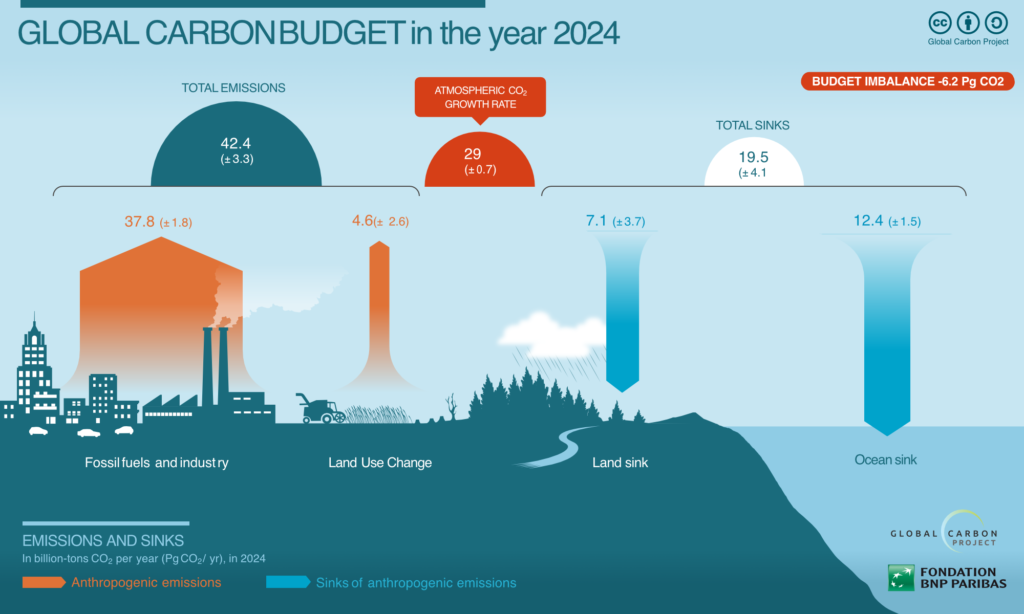
Many airlines now allow you to buy carbon offsets when you book. These are investments in environmentally friendly projects — such as tree planting or clean energy — that offset your emissions. It’s not ideal, but it beats nothing.
A few reputable offset programs include Gold Standard and Cool Effect. Do a cursory search before you buy so that you know your money is going somewhere legitimate.
Tip 2: Travel Light — Seriously, Declutter as Much as Possible!
This one seems too simple to be meaningful. But it does matter.
More fuel is required for every pound added on a plane. Multiply that by hundreds of passengers all doing the same, and you have a mess. Lighter planes require less fuel to burn, and produce fewer emissions.
The One-Bag Challenge
Give the one-bag challenge a try: pack everything you need into just one carry-on. It makes you be creative and deliberate with what you take along. You’ll use maybe 60% of what you bring, anyway.
On top of everything else, traveling light means:
- No checked baggage fees
- No waiting at baggage claim
- Fewer items to lose or schlep
- Reduced time and effort in airports and cities
Choose lightweight, multi-use items. One sarong can be a beach towel, a blanket, a wrap and a bag. Merino wool clothes are light, don’t hold an odor and will keep you comfortable in any climate.
Tip 3: Choose Eco-Friendly Places to Stay
What Makes a Hotel “Green”?
Not every hotel that touts itself as eco-friendly turns out to be so. Others just throw a green leaf logo on their website and call it a day. The practice is known as greenwashing, and it’s far more prevalent than you might realize.
Here’s what you really need to watch for:
| Feature | Why It Matters |
|---|---|
| Solar or renewable energy use | Less dependence on fossil fuels |
| Water conservation systems | Saves a precious resource |
| Locally sourced food | Supports local farmers, curbs transport emissions |
| No single-use plastics | Lowers landfill and ocean waste |
| Wildlife protection policies | Prevents damage to local ecosystems |
| Certification by eco-labels | Provides a stamp of accountability |
Search for certifications such as Green Key, EarthCheck or LEED. These are independently verified and actually mean something.
Alternative Eco Stays Worth Trying
Beyond traditional hotels, consider:
Eco-lodges — Often in a natural setting, built out of local materials and made to be as environmentally unobtrusive as possible.
Hostels — Dorm accommodations are inherently less resource-consumptive on a per person basis than private rooms.
Homestays — Living with a local family helps the community directly and minimizes the infrastructure footprint of your stay.
Glamping — A growing choice that marries comfort and low-impact outdoor living.
Tip 4: Think Local, Eat in Season
Food is culture. And what you eat is one of the most impactful decisions that you will make while traveling.
It takes thousands of miles for imported foods to get to your plate. That transportation burns fuel. It also typically involves produce getting picked before it is ripe, being processed to a greater degree and losing flavor in transit.
Why Food From Close to Home Tastes Best
Local, seasonal food is fresher. It didn’t travel far. It helps farmers and producers in the area you’re visiting. And it binds you to the place in a way that a chain restaurant never can.
Eat at small, family-owned restaurants. Visit local markets. Try street food. Ask your host, or the staff at your hotel, where they eat — not where they send tourists.
As a bonus, local food is usually much cheaper and more memorable than tourist traps.
Skip the Meat When You Can
It’s not about imposing vegetarianism on anyone. But it’s also worth knowing that beef production is among the most resource-intensive foods on the planet. And when you’re traveling, experimenting with more local plant-based dishes is often a natural thing to do. So many cuisines — Thai, Indian, Ethiopian, Mediterranean — are inherently plant-forward and scrumptious.
Tip 5: Eliminate Single-Use Plastic on the Road
The Plastic Problem of Top Destinations
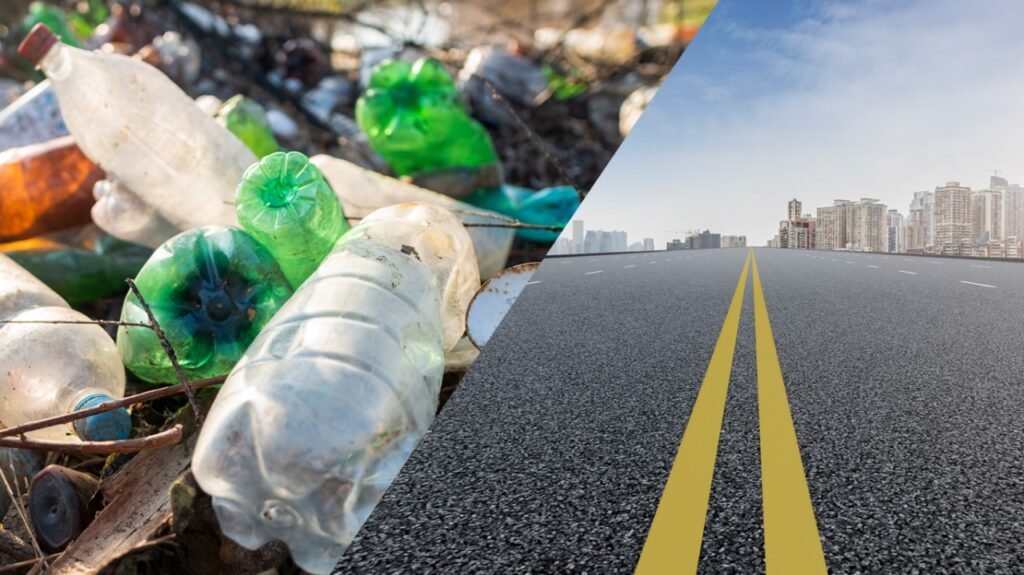
The crisis of plastic waste is real in some of the world’s most beautiful travel destinations. Southeast Asia, the Caribbean, parts of Africa — these areas are swimming in plastic waste that often traces back to tourists.
The average tourist creates a stunning amount of single-use plastic in one week alone: water bottles, straws, toiletry packaging, bags, food containers. The vast majority ends up in landfills or the ocean.
The fix? Bring your own.
Your Eco Travel Kit
Here’s a basic kit that will cut back on plastic waste for any trip:
- Reusable water bottle (or one with a filter, if you are traveling somewhere where the tap water can’t be trusted)
- Reusable shopping bag (lightweight, foldable)
- Bamboo or metal cutlery set
- Reusable straw
- Solid shampoo and soap bars (no plastic packaging, TSA compatible)
- Beeswax wraps instead of plastic wrap for snacks
- Reusable coffee cup if you’re a coffee adventurer
These items weigh next to nothing and take up minimal space. But they can make a big dent in the waste you produce while on a trip.
Tip 6: Give Wildlife Its Space
Tourism and Animal Exploitation: A Real Problem

Among the many tragic things about mass tourism is what it does to animals. Elephants forced to carry tourists. Tigers drugged for selfies. Dolphins trapped in tanks. These are not entertainment — they are suffering.
Even a well-intentioned traveler can do harm without knowing it. Feeding wildlife corrupts their diet and causes them to rely on humans. Getting too close causes stress. Purchasing products made from endangered species — even inadvertently — supports poaching.
How to Be a Good Wildlife Traveler
Follow these simple rules:
Keep your distance. There are clear rules in a lot of national parks. Follow them even when others don’t.
Never touch wild animals. Just say no, even if they seem friendly or are being presented for a photo.
Research wildlife experiences before you book. Seek out sanctuaries and reserves that are accredited by groups like the Global Federation of Animal Sanctuaries (GFAS). These are places where the welfare of animals comes before profit.
Avoid marine animal interactions. Swimming with captive dolphins, riding sea turtles or walking on coral reefs all cause harm.
Don’t buy wildlife products. Ivory, tortoiseshell, coral, rare feathers — even if a dealer tells you it’s legal, steer clear.
Responsible wildlife tourism remains an option and is incredibly rewarding. The magic of watching animals in their natural habitat — without intrusion — is far more enthralling than any staged encounter.
Tip 7: Get Serious About Saving Water and Energy
Why Small Hotel Habits Add Up
Hotels are notorious energy hogs. Rooms are needlessly chilled. Lights stay on 24/7. Linen is washed daily even for week-long guests. Hot showers run for 20 minutes. It adds up fast.
You, as a traveler, have more power than you think.
Simple habits that genuinely help:
- When you leave the room, turn off the AC. Better yet, open a window when weather permits.
- Reuse your towels. A majority of hotels allow you to indicate this by simply hanging them up.
- Take shorter showers. In a lot of places, water is actually scarce.
- Unplug chargers and other cords if you’re not using them — they continue to use energy even when plugged in.
- Utilize natural light in the daytime, rather than turning on electric lights.
- Forgo daily housekeeping if your hotel provides the option.
These aren’t sacrifices. They’re habits you’d follow anyway while not traveling. They are easy to carry on the road and actually make a real difference.
Tip 8: Support the Local Economy — Not the Global Chains
Where Your Travel Money Goes Matters
Here’s a surprising fact — in many tourist hotspots, only between 5–20% of the money tourists spend actually benefits the local community. The remainder flows back to international hotel chains, foreign-owned tour companies and imported goods.
So local communities often bear the costs of tourism — noise, pollution, crowding, increases in rent — without getting the benefits.
Spend Local, Travel Better
One of the greatest things you can do as a traveler is making a deliberate effort to support local businesses.
Book local guesthouses and inns instead of international chain hotels whenever possible.
Hire local guides. They know the area better than any app, share information that no guidebook captures and your money stays in the community.
Buy souvenirs from local artisans. Stay away from mass-produced factory items made in other countries. Buy handmade items from local craftspeople or things that actually tell a story.
Take locally-operated tours as opposed to big tour operators. And if they’re certified eco-tours, so much the better.
Learn a few words of the local language. It’s not an environmental tip per se, but it fosters real connection — and locals appreciate the effort.
Tip 9: Leave Every Place Better Than You Found It
The “Leave No Trace” Mindset
Leave No Trace is a set of outdoor ethics originally developed for hikers and campers. But the lessons apply to all travelers, everywhere.
The main point is simple: when you depart a place, it must look exactly as it did when you arrived — or better.
In practice, what does that mean?
Pick up your trash. All of it. Even if it’s inconvenient.
Stay on marked trails. Off-trail hiking is detrimental to vegetation and disruptive to ecosystems.
Do not carve your name into things. Trees, rocks, walls — just say no.
Don’t play loud music in parks or sacred spaces. Noise pollution disturbs wildlife and ignores local ways of life.
Participate in a local cleanup. Many locations have beach or trail cleanup programs that welcome visitors. It’s a meaningful way to give back.
Spreading the Word Without Being Preachy
There’s no need to lecture everyone you’re traveling with or drop guilt-tripping content on social media. Just model the behavior. When people see you picking up trash, saying no to a plastic straw, or choosing a local restaurant over a chain — it plants a seed.
The most persuasive advocacy is calm, sustained action.
Conventional Travel vs. Eco-Friendly Travel — A Comparison
| Category | Conventional Travel | Eco-Friendly Travel |
|---|---|---|
| Transportation | Multiple layovers | Direct flight or train/bus |
| Accommodation | International hotel chain | Eco-certified lodge or homestay |
| Food | Chain restaurants, imported foods | Local markets, seasonal dishes |
| Water bottles | Single-use plastic | Reusable water bottle with filter |
| Souvenirs | Mass-produced factory trinkets | Handmade local crafts |
| Wildlife | Riding elephants or taking animal selfies | Accredited sanctuaries only |
| Carbon footprint | High | Significantly reduced |
| Money impact | Drains local economy | Circulated in the local economy |
FAQs About Eco-Friendly Travel
Q: Will it cost more to travel in an eco-friendly way? Not necessarily. Indeed, many of the green choices are cheaper anyway — packing light avoids baggage fees; eating local food is usually less expensive than tourist restaurants; staying in guesthouses or hostels costs much less than chain hotels. Some eco-lodges are high-end, but affordable sustainable accommodations can be found wherever you’re headed.
Q: Can I still fly and travel greenly? Yes. Flying is not, by itself, bad — it’s how you fly, and what else you do on that trip. Book direct, offset your emissions, pack light and make it up on the ground by making thoughtful choices.
Q: What happens if I’m going to a country where there aren’t any eco-certified accommodations? Do your best. Seek out small, family-owned guesthouses. Inquire about their water and energy policies. Imperfect progress is still better than nothing. Prep in advance by searching sites like Booking.com’s sustainability filters or Ecocamps.
Q: How can I avoid greenwashing when selecting hotels? Seek out third-party certifications such as Green Key, EarthCheck or Rainforest Alliance. Check reviews for any mention of sustainability practices. Ask the hotel directly — truly eco-friendly businesses are generally all too happy to share their practices.
Q: Do carbon offsets really work? They are a tool, not a fix. High-quality offsets from credible programs (like Gold Standard) do pay for real environmental projects. But they work best as an addition to reducing your emissions first — not a guilt-free ticket to fly carelessly.
Q: What is the single most significant eco-friendly travel change I can make? Fly on fewer planes, particularly for short distances that would just as easily be served by train. The largest contributor to travel-related emissions, by far, is transportation — and in particular, air travel. All those other things matter, but this one shift has the most quantifiable impact.
Wrapping It Up: Travel That Feels Good and Does Good
Eco-friendly travel isn’t about perfection. It’s about intention.
You don’t have to stop traveling to love the planet. You just have to be a little bit more alert when you travel. Pack lighter. Choose local. Skip the plastic. Respect wildlife. Always leave things nicer than you found them.
These nine tips aren’t complicated, expensive or time-consuming. And most are habits that will become second-nature after you get started. And when they do, it’s going to turn out that sustainable travel also turns out to be better travel.
Less clutter. More connection. Richer experiences. Less guilt. More joy.
The world is worth seeing. And the best way to see it is by helping maintain its worth for everyone who comes after you.
Try one tip on your next trip. Then another. Then another. Soon eco-friendly travel won’t even be something you have to think about — it will just be how you get around.
Happy trails — and tread lightly.