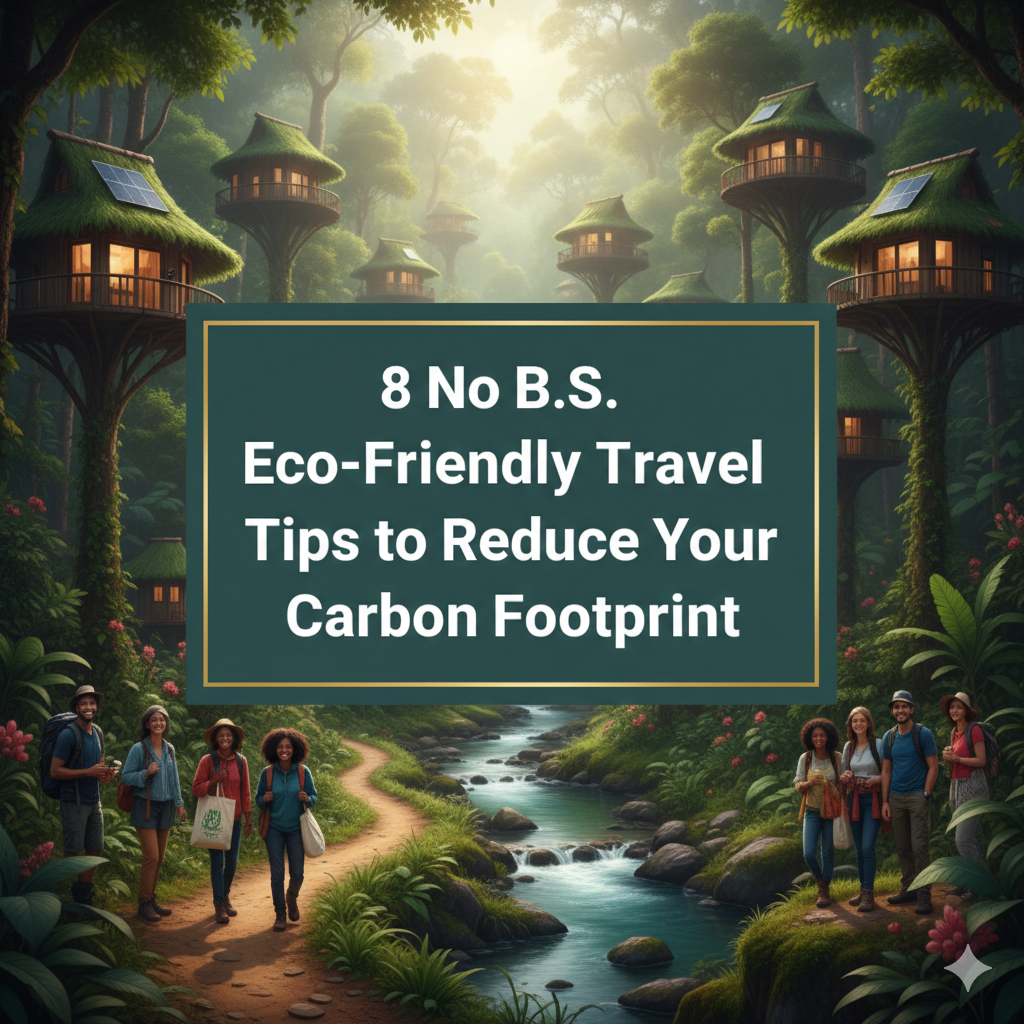


Whenever you book a flight, pack a bag, or check into a hotel, you make choices that affect the environment. The good news? Small changes add up fast. Whether you’re a weekend road-tripper or full-time globetrotter, traveling sustainably is easier than ever.
This guide offers 10 real-world, down-to-earth tips that can help you travel greener without sacrificing any of your good times. No guilt trips. No impossible standards. Just clever swaps that actually make a difference.
Why Green Travel Actually Matters Now
Tourism is responsible for some 8% of global carbon emissions, research in the journal Nature Climate Change found. That covers flights, hotels, food, and all the things tourists buy.
But here’s the other side of that coin: tourism pays for conservation, sustains local economies, and helps build connections between people from different cultures. The point isn’t to put a halt to traveling. It’s to travel smarter.
If millions of passengers make small changes, the cumulative effect adds up fast. Opting to take a train journey in place of a short-haul flight, for example, could reduce your carbon output on that trip by as much as 90%.
That’s not a small number.
Tip 1: Choose Your Destination Intentionally

Go Closer Before Going Far
Long-haul flights are the largest source of travel emissions. When planning travel, think local first: is there something similar closer to home? Before you book an international trip, consider whether you could find a similar experience nearby.
A road trip to a national park two states over beats a flight to a foreign country — for your wallet and the planet.
Look for Eco-Certified Destinations
Certain places make an effort to preserve their ecosystems. Costa Rica, Slovenia, and Palau are renowned for their strong environmental policies. Even visitors to Palau are required to sign an “Eco Pledge” upon entry.
Tip: Seek out destinations with Global Sustainable Tourism Council (GSTC) certifications.
Tip 2: Smart Flight Selection — Or No Flights At All
The Truth About Flying
Aviation is among the fastest-growing sources of carbon emissions. One round-trip flight from New York to London yields approximately 1.5 to 2 metric tons of CO₂ per passenger.
That’s approximately what an average car emits in six months.
Smarter Flying Habits
If flying is unavoidable, here’s how to minimize your impact:
| Strategy | Why It Works |
|---|---|
| Book nonstop flights | The most fuel is used during takeoffs and landings |
| Fly in an economy seat | Business class has a carbon footprint 3x that of coach |
| Fly newer aircraft | Boeing 787 and Airbus A320neo use 20–25% less fuel |
| Fly during the day | Contrails trap more heat at night |
| Pack lightly | A heavier plane burns more fuel |
When Trains Beat Planes
For journeys of less than 500 miles, trains almost always win on emissions. It’s particularly easy in Europe’s rail network. In the United States, Amtrak connects dozens of major cities.
A train from London to Paris generates about 96% fewer emissions than the equivalent flight.
Tip 3: Stay With Those That Walk the Talk
Not All ‘Eco’ Labels Are Created Equal
Greenwashing is real. Some hotels just add the word “eco” on their website and leave everything else exactly the way it is. Here’s how to tell the real ones from the fakes.
What to Look For in a Green Hotel
- Energy: Are they powered by solar or wind?
- Water: Do they use low-flow showers and recycle water?
- Food: Where did they source their ingredients?
- Waste: Do they compost and avoid single-use plastics?
- Community: Do they employ local staff and support nearby businesses?
Certifications to look for: LEED, Green Key, EarthCheck, and Rainforest Alliance.
Beyond Hotels: Alternative Stays
Consider staying at:
- Eco-lodges constructed from local materials using minimal energy
- Homestays that put money directly into local families’ hands
- Hostels with shared facilities, which naturally have a smaller per-person footprint
- Solar-powered glamping sites
Tip 4: Pack Light, Pack Right
Why Your Bag Weight Matters

The heavier the plane, the more fuel airlines burn. One bag doesn’t crash the system, but collective luggage does add up. And besides, when you pack less you’re more mobile — and mobility means walking more and driving less.
The Eco-Friendly Packing Checklist
Here’s what to take along and what to leave behind:
Bring:
- A reusable water bottle (stainless steel or BPA-free)
- Solid toiletries (shampoo bars, conditioner bars, solid sunscreen)
- A reusable tote bag for shopping
- Reef-safe sunscreen
- Bamboo toothbrush and compostable floss
- A reusable straw or cutlery set
Skip:
- Travel-size plastic bottles
- Single-use face wipes
- Disposable razors
Clothes That Do More
Choose versatile, quick-dry fabrics. Three mix-and-match outfits beat seven single-use looks. Merino wool is ideal for travelers — it resists odor, dries quickly, and lasts for years.
Tip 5: Travel as Locals Do
Renting a Car? Take a Pass If You Can
Rental cars ease travel but are hard on the climate. In a city you’re just exploring, try this instead:
- Public transportation — metros, trams, buses
- Bike share — many cities have this now
- Walking — the greatest way to actually see a place
- E-scooters — cleaner than cars for short trips
When You Really Need a Car
If you need a car, make it electric or hybrid. Car-sharing services like Zipcar and Hertz Electric are growing fast. Carpool with other travelers whenever possible.
Carbon Impact Comparison
| Transport Mode | CO₂ per Passenger Mile |
|---|---|
| Domestic flight | 255g |
| Car (one person) | 170g |
| Car (4 people) | 43g |
| Train | 41g |
| Bus | 29g |
| Bicycle | 0g |
| Walking | 0g |
Tip 6: Eat and Shop With a Local-First Mindset
Why This Is a Greener Way to Travel
Food flown in from thousands of miles away comes with a heavy carbon footprint. Local food doesn’t. Dining at family-run restaurants or buying from local market vendors also means your money stays in the community rather than going to international chains.
For more ideas on making every travel choice count for the planet, visit Eco Friendly Travel — a great resource for green travel inspiration, destination guides, and sustainable tips.
How to Eat Green on the Road
- Visit local markets for fresh, seasonal produce
- Go plant-based a few times a week — meat production is one of the biggest sources of emissions
- Don’t buy plastic bottles of water; bring your reusable one and use a filter straw if necessary
- Eat where the locals eat, not where tourism flows
Shopping Thoughtfully
Pass on the mass-produced souvenirs made in factories far away. Instead:
- Purchase crafts made directly by artisans
- Look for fair-trade certifications
- Avoid products made from endangered or protected species (coral, ivory, certain kinds of shells)
Tip 7: Treat Water as If It’s Gold
Water Stress Is a Real Issue for Tourism Hot Spots
Destinations as popular as Bali, Barcelona, and Cape Town have all faced severe water challenges — made worse by tourist demand. Hotels use enormous amounts of water every day.
Easy Water-Saving Habits
- Reuse your hotel towels (most hotels have a program for this)
- Keep showers under five minutes
- Turn off the tap while brushing your teeth
- Skip the daily room cleaning if staying multiple nights
- Report any leaking taps or running toilets to hotel staff
These seem small. But a hotel of 200 guests each saving two gallons of water per day? That’s 400 gallons saved — every single day.
Tip 8: Balance What You Can’t Eliminate
Carbon Offsetting: What It Is and What It Isn’t
Carbon offsetting involves paying into projects that capture or reduce emissions — such as planting trees, backing clean cookstoves in developing countries, or installing solar panels for communities without power.
It’s not a magic fix. It doesn’t erase your emissions. But it’s a worthwhile step when combined with real changes in behavior.
How to Offset Responsibly
Avoid shady offset programs. Look for those verified by:
- Gold Standard
- Verra (VCS)
- American Carbon Registry
Many airlines now offer the option to offset travel at checkout. Alternatively, you can use tools like Atmosfair, Cool Effect, or Terrapass to calculate and neutralize your trip emissions directly.
How Much Does It Cost?
Offsetting a round-trip transatlantic flight typically costs between $10 and $30. That’s less than most airport meals.
Tip 9: Be Considerate of Wildlife and Natural Spaces
The Tourist Trap of “Eco” Animal Experiences
Riding elephants, taking selfies with sedated tigers, or swimming with captive dolphins — these are not eco-friendly activities, no matter how they’re marketed.
Ethical wildlife experiences look like this:
- Watching animals in their natural habitat from a respectful distance
- Visiting sanctuaries that rescue and rehabilitate animals (not breed them for tourism)
- Going on wildlife safaris with certified guides who follow strict codes of conduct
Leave No Trace: The Nature Traveler’s Golden Rule
Whether you’re hiking in Patagonia or snorkeling in the Maldives:
- Take nothing but photos
- Leave nothing but footprints
- Kill nothing but time
Stick to marked trails. Don’t pick plants or disturb nesting areas. Never feed wild animals.
Coral Reefs Want You to Choose the Right Sunscreen
Common sunscreens contain oxybenzone and octinoxate — chemicals that bleach and kill coral reefs. Switch to reef-safe mineral sunscreen containing zinc oxide or titanium dioxide. This one swap protects some of the most biodiverse habitats on Earth.
Tip 10: Spread the Word Wisely — Don’t Preach, Just Inspire
Your Travel Stories Are More Powerful Than You Think
Social media has enormous influence. When you share your eco-friendly travel experiences — the solar-powered eco-lodge, the incredible local market, the breathtaking hike — you motivate others to make those same choices.
There’s no need to lecture people. Just show them what’s possible.
Simple Ways to Share Responsibly
- Tag green-certified businesses in your social posts
- Share photos of local food markets or artisan fairs
- Write honest reviews on TripAdvisor or Google that mention what the property is doing to be sustainable
- Recommend train travel or eco-lodges to friends planning trips
Teach the Next Generation
For families that travel with kids, make eco-friendly choices part of the adventure. Let them pick the reusable water bottle. Show them how to compost. Explain why you took the train instead of the plane.
Children raised thinking of sustainable travel as normal will carry those habits for life.
At a Glance: Your Green Travel Checklist
| Category | Action |
|---|---|
| Destination | Choose closer or eco-certified destinations |
| Flying | Book direct, fly economy, pack light |
| Accommodation | Stay in LEED/Green Key-certified rooms |
| Packing | Bring reusables and solid toiletries |
| Transport | Walk, cycle, or use public transit |
| Food & Shopping | Shop local, eat seasonal, buy from markets |
| Water | Reuse towels and take short showers |
| Carbon | Offset with Gold Standard programs |
| Wildlife | Watch from a distance; wear reef-safe sunscreen |
| Sharing | Inspire others through honest storytelling |
Eco-Travel on a Budget: It’s Actually More Affordable
Here’s something few people realize: sustainable travel can be cheaper.
- Trains are often less expensive than flights, especially when booked in advance
- Locally run restaurants beat tourist traps on both price and quality
- Packing light saves you from checked baggage fees
- Reusable bottles eliminate the need to buy bottled water every day — and that cost adds up fast
- Hostels and guesthouses are often a fraction of the price of chain hotels
Going green doesn’t have to break the bank. It often means spending smarter.
FAQs About Eco-Friendly Travel
Q: What is eco-friendly travel, anyway? Eco-friendly travel — also known as sustainable travel or green travel — is the idea that you can explore the world while minimizing your environmental impact. It covers everything from how you get there to where you stay and what you eat.
Q: Is eco-friendly travel only for certain people? Not at all. Many sustainable options — such as taking the train, eating local food, or staying in a hostel — are actually cheaper than their conventional alternatives.
Q: How do I know if a hotel is actually eco-friendly? Check for third-party certifications such as Green Key, LEED, or EarthCheck. Look for reviews that mention real practices, not just marketing language. You can also email the hotel directly and ask specific questions about their energy, water, and waste policies.
Q: Does carbon offsetting actually work? It can, when carried out through verified programs like Gold Standard or Verra. It’s not a substitute for reducing emissions in the first place, but it is a meaningful way to neutralize unavoidable travel emissions.
Q: What one eco-conscious travel change would have the biggest impact? Fly less. Aviation is the highest-emission form of transportation. Even replacing one long-haul flight with a train trip or a nearby road trip makes a significant difference.
Q: Are electric rental cars widely available? Increasingly, yes. Major rental companies across North America, Europe, and parts of Asia now offer EV options. Availability varies by region, so check when booking.
Q: Can I travel in luxury and still be environmentally mindful? Yes. A growing number of luxury eco-resorts, high-end train routes, and sustainable fine dining experiences cater to travelers who want both comfort and conscience.
The Bottom Line
Sustainable travel isn’t about being perfect. It’s about being intentional. Every decision you make — from the sunscreen in your bag to the restaurant you choose for dinner — adds up to something much greater than a single trip.
The planet doesn’t need a handful of people doing sustainability flawlessly. It needs millions of people doing it imperfectly but consistently.
Start with one tip from this list. Then try two. Then make it a habit.
The world is worth seeing. Let’s keep it that way.