
Introduction
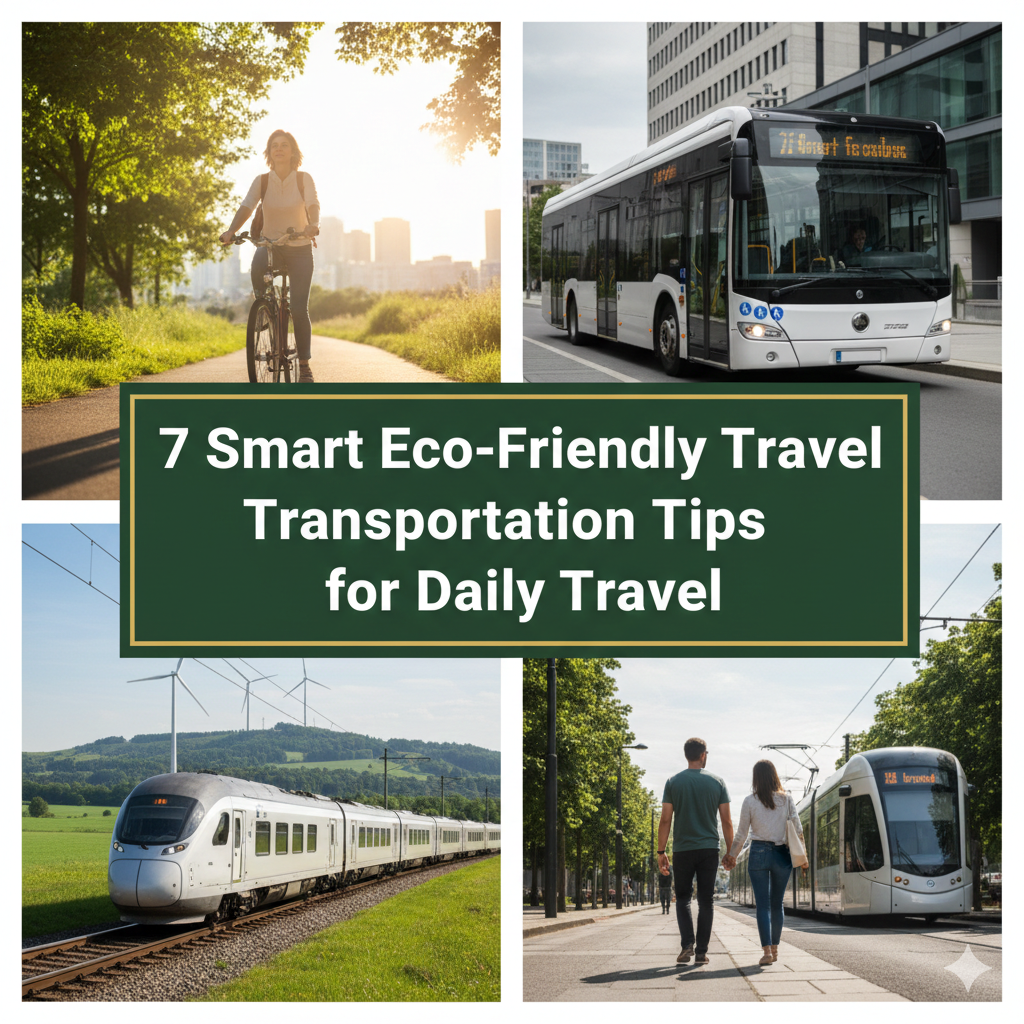
Traveling every day, whether it’s to work, school, or just running errands, can feel like a routine that’s hard to shake up. But what if I told you that making your daily commute a bit greener doesn’t have to be a massive overhaul? It’s about small, smart choices that add up over time, helping the planet while maybe even saving you some money or stress. I’ve been trying to incorporate more eco-friendly habits into my own life, and let me tell you, it’s not always perfect—there are days when I forget my reusable water bottle or opt for the car because it’s raining—but the effort counts. In this article, we’ll dive into seven practical tips for making your daily travel more sustainable. These aren’t pie-in-the-sky ideas; they’re grounded in real-world applications that anyone can try. By the end, you might find yourself rethinking that solo drive to the grocery store.
The world is changing, and transportation is a big part of our carbon footprint. Cars, buses, trains—they all contribute to emissions, traffic congestion, and resource depletion. But daily travel is essential for most of us. We can’t just stop moving. Instead, we can move smarter. Eco-friendly transportation isn’t just about electric cars or fancy gadgets; it’s about mindset shifts and leveraging what’s already available. Think about it: if everyone made one small change, the collective impact could be huge. I’ve seen this in my own city, where bike lanes have popped up and more people are hopping on buses. It’s inspiring, really. So, let’s get into these tips, one by one, exploring why they work, how to implement them, and some potential pitfalls to watch out for.
Tip 1: Embrace Walking or Cycling for Short Trips

One of the simplest ways to green your daily travel is to swap out the car for your own two feet or a bike when the distance is manageable. I remember when I first started doing this; it was for a quick run to the corner store, maybe half a mile away. At first, it felt like an extra hassle, but soon it became a highlight of my day—a chance to clear my head and get some fresh air. Walking or cycling cuts out emissions entirely for those short jaunts, and it’s free exercise to boot.
Why does this matter? Cars are great for long distances, but for trips under two miles, they’re overkill. According to some studies I’ve come across, a huge portion of car trips in urban areas are super short—like less than three miles. That’s a lot of unnecessary pollution. By walking, you’re reducing carbon dioxide output, easing traffic, and improving your health. Cycling amps it up with speed, covering more ground without the sweat if you’re not pushing hard.
Getting started isn’t rocket science. Invest in comfortable shoes or a decent bike if you don’t have one. Check your local area for safe paths—many cities are adding pedestrian-friendly zones. I use an app to track my steps, which gamifies it and keeps me motivated. But be realistic: if it’s pouring rain or you’re carrying heavy loads, it’s okay to drive. The key is consistency for those feasible trips.
There are broader benefits too. Communities with more walkers and cyclists often see less noise pollution and better air quality. It’s a ripple effect. If you’re in a suburb, maybe team up with neighbors for group walks to school or work. I’ve heard stories of “walking school buses” where parents rotate leading kids on foot—brilliant for safety and eco-friendliness.
Potential challenges? Safety is a big one. Not all areas have sidewalks or bike lanes. Advocate for better infrastructure through local groups. Weather can be a deterrent, but gear like rain jackets helps. And time—yes, it might take longer, but think of it as multitasking: podcast time or mental unwind. Over a year, those short walks add up to serious calorie burn and emission savings.
Expanding on this, consider the environmental math. A typical car emits about 0.4 kilograms of CO2 per mile. Multiply that by daily short trips, and it’s significant. Walking produces zero. Plus, it reduces wear on roads, saving public funds. Personally, I’ve lost a few pounds just from incorporating more walks, and my mood’s better. It’s not about perfection; it’s about progress.
In rural areas, this tip adapts differently. Maybe it’s cycling to the local farm stand instead of driving. Or combining errands to minimize trips. The principle holds: if it’s close, go human-powered. Tools like electric bikes make hills less daunting, bridging the gap for those not super fit. They’re eco-friendlier than cars, with minimal energy use if charged from renewables.
To make it stick, set small goals. Start with one walk a week, build up. Track savings on gas—it’s motivating. Share your journey on social media; inspire others. Before you know it, it’s habit. This tip alone can transform your daily routine into something sustainable and enjoyable.
Tip 2: Opt for Public Transportation Whenever Possible
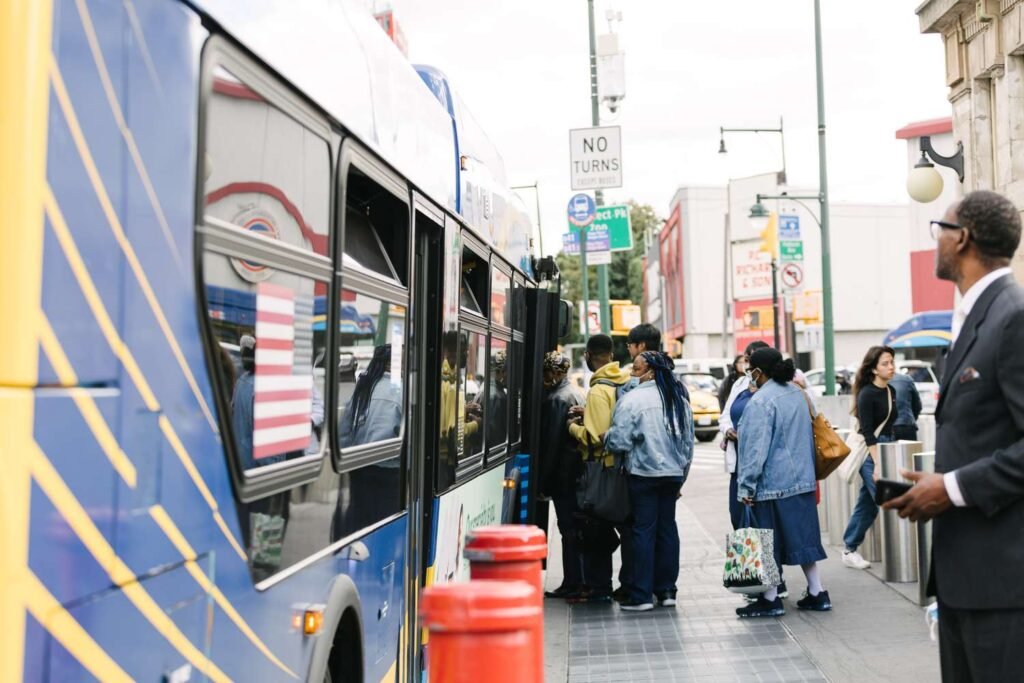
Public transit—buses, trains, subways—it’s the unsung hero of eco-friendly travel. I used to dread the bus, thinking it was slow and crowded, but once I gave it a fair shot, it changed my commute. No more hunting for parking, and I get to read or nap en route. For daily travel, it’s a smart choice that slashes individual emissions.
Here’s the deal: one bus can replace dozens of cars, cutting pollution per passenger dramatically. Trains are even more efficient for longer commutes. Studies show public transit users emit about half the CO2 of solo drivers. It’s not just air quality; it reduces oil dependence and urban sprawl.
Implementation is straightforward. Find routes via apps like Google Maps or Transit. Get a monthly pass for savings—many employers subsidize them. I pack a book or headphones to make the ride productive. Timing is key; avoid peak hours if possible to dodge crowds.
But it’s not all smooth sailing. Delays happen, and coverage isn’t universal. In smaller towns, options might be limited. That’s where advocacy comes in—push for better services. Hybrid approaches help: drive to a park-and-ride, then bus in.
Socially, public transit fosters community. You meet people, observe life. It’s egalitarian, accessible to all. For families, it’s great for teaching kids about sustainability. I’ve seen parents using it as a lesson in patience and environmental care.
Economically, it’s a win. Gas, maintenance, insurance—driving adds up. Transit fares are cheaper long-term. Plus, less traffic means faster overall travel for everyone. Cities investing in transit see economic boosts from reduced congestion.
To enhance the experience, use real-time tracking apps. They tell you when the next bus arrives, minimizing wait time. Bring snacks or work materials. If you’re concerned about cleanliness, carry wipes. Over time, it becomes second nature.
In the bigger picture, supporting public transit votes for a greener future. Electric buses are emerging, further reducing impacts. If your area lacks options, consider vanpools or community shuttles. It’s about collective effort.
Personally, switching to the train cut my commute stress. I arrive refreshed, not frazzled from driving. It’s empowered me to live car-light, freeing up funds for other things. Give it a try; you might surprise yourself.
Tip 3: Carpool or Use Ridesharing Services Wisely
Sharing rides is like the original eco-hack. Carpooling with colleagues or using apps like Uber Pool reduces cars on the road, plain and simple. I started carpooling with a neighbor, and it not only halved my gas use but built a friendship.
The eco-angle: fewer vehicles mean less emissions, congestion, and parking demand. If four people share a car, emissions per person drop to a quarter. Ridesharing amplifies this with optimized routes.
How to do it? For carpooling, use workplace boards or apps like Waze Carpool. Set ground rules: rotate driving, share costs. For rideshares, choose pooled options. I always select “share” to match with others.
Challenges include scheduling mismatches or personality clashes. Start small, with trusted folks. Safety is paramount—use verified apps with ratings.
Beyond environment, it’s social. Conversations make commutes fun. Financially, split gas saves money. In high-traffic areas, carpool lanes speed things up.
For daily errands, combine with others. Shop with a friend, share the drive. Apps now facilitate casual carpools for events.
Technologically, electric rideshares are growing. Choosing them boosts green impact. Track your savings with apps; it’s rewarding.
In communities, carpooling builds resilience. During gas shortages or strikes, it’s a lifeline. Advocate for incentives like tax breaks.
My experience: carpooling turned a boring drive into chat time. We discuss everything from work to hobbies. It’s enriched my life while helping the planet.
Tip 4: Maintain Your Vehicle for Maximum Efficiency
Even if you drive, keeping your car in top shape is eco-smart. Proper maintenance means better fuel economy, less emissions. I’ve learned this the hard way—ignoring tire pressure once led to guzzling gas.
Basics: regular oil changes, air filter replacements, tuned engines. Under-inflated tires increase drag, wasting fuel. Aim for monthly checks.
Why it works? Efficient cars burn less fuel, emit less. EPA says proper maintenance can improve mileage by 4%. Over time, that’s big savings.
Tools needed: a tire gauge, basic knowledge. Or use mechanic services. Apps remind you of schedules.
Eco-tweaks: remove roof racks when unused, lighten loads. Smooth driving—avoid jackrabbit starts—saves fuel.
For older cars, consider upgrades like low-rolling-resistance tires. They’re pricier but pay off.
Challenges: time and cost. But preventive care avoids bigger repairs. DIY where possible.
Broader impact: well-maintained fleets reduce overall pollution. It extends vehicle life, cutting manufacturing emissions.
Personally, tuning my car improved mileage by 10%. I feel less guilty driving, knowing it’s optimized.
Tip 5: Switch to Electric or Hybrid Vehicles
If upgrading, go electric or hybrid. They’re game-changers for daily travel. I test-drove an EV, and the quiet, instant torque was addictive. No gas stops, lower running costs.
EVs run on batteries, zero tailpipe emissions. Hybrids combine gas and electric for flexibility. Charging from renewables makes them ultra-green.
Adoption barriers: upfront cost, range anxiety. But prices drop, incentives help. For daily commutes under 50 miles, range is fine.
Infrastructure grows—home chargers, public stations. Apps find spots.
Maintenance is simpler: fewer parts, no oil changes. Regenerative braking saves pads.
Environmentally, even grid-powered EVs are cleaner than gas cars over lifecycle. As grids green, benefits soar.
Socially, owning one sparks conversations, promotes adoption.
My tip: start with hybrid if full EV daunts. Test drive, calculate savings.
Tip 6: Plan Routes and Combine Errands Efficiently
Smart planning minimizes miles driven. I used to zigzag for errands; now I batch them, saving time and fuel.
Use apps like Google Maps for optimal routes, avoiding traffic. Consider time of day—off-peak is smoother.
Combining trips: list errands, sequence logically. Shop on way home from work.
Benefits: less idling, fewer cold starts (high-emission phases). Reduces wear.
For families, coordinate schedules. One trip for multiple needs.
Challenges: spontaneity loss. But planning becomes habit.
Tools: navigation apps with eco-modes prioritize fuel efficiency.
Impact: small changes compound. If everyone planned better, traffic drops.
Tip 7: Leverage Apps and Tech for Eco-Navigation
Tech aids green travel. Apps suggest bus routes, bike shares, even carbon trackers.
Examples: Citymapper for multimodal options, Strava for cycling routes.
Track habits with apps like MyFitnessPal for steps, or fuel loggers.
Wearables remind you to walk. Smart home integrations prep your EV.
Future: AI optimizing commutes.
Challenges: data privacy, over-reliance. Use mindfully.
Benefits: informed choices lead to greener habits.
Conclusion
These seven tips—walking/cycling, public transit, carpooling, maintenance, EVs/hybrids, planning, tech—offer a toolkit for eco-friendly daily travel. It’s not about all-or-nothing; pick what fits, build from there. I’ve incorporated most, and my footprint’s smaller, life richer. Small actions matter. Start today, see the difference. The planet thanks you.