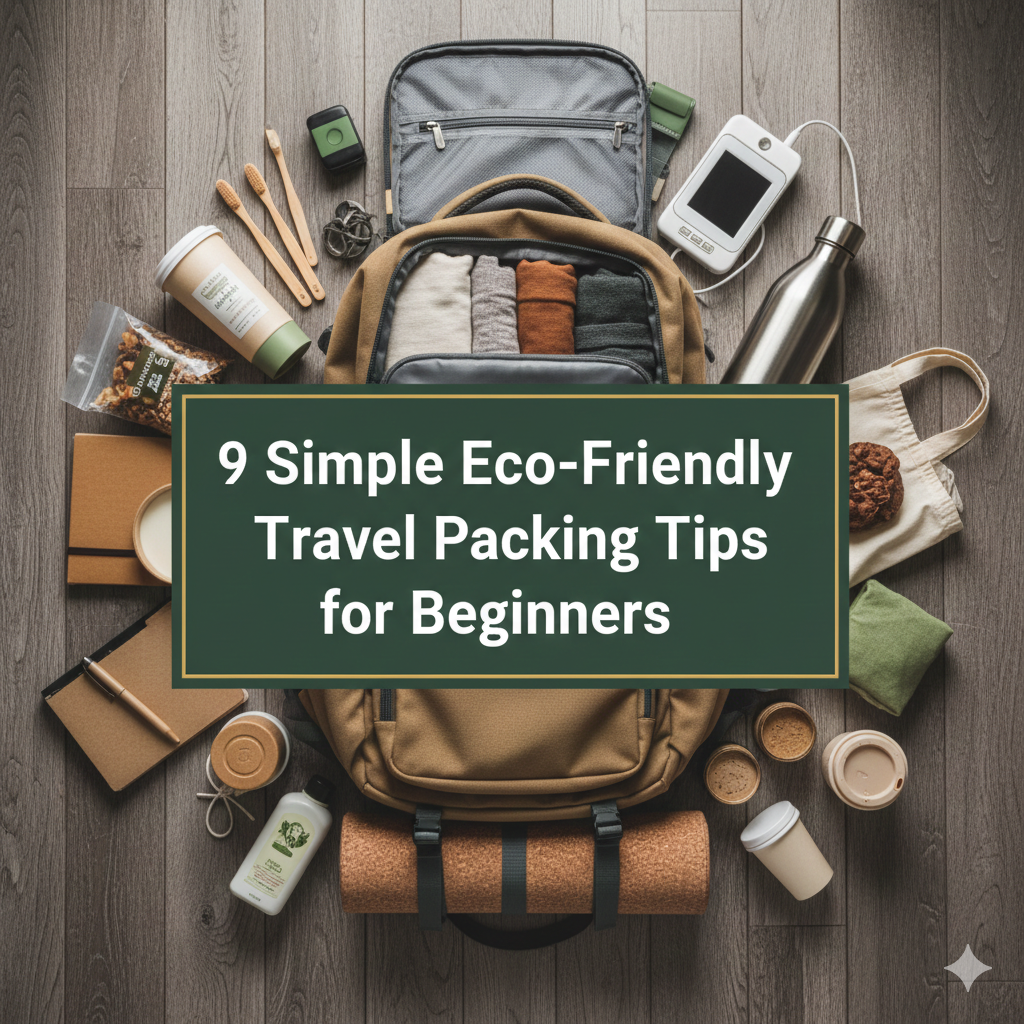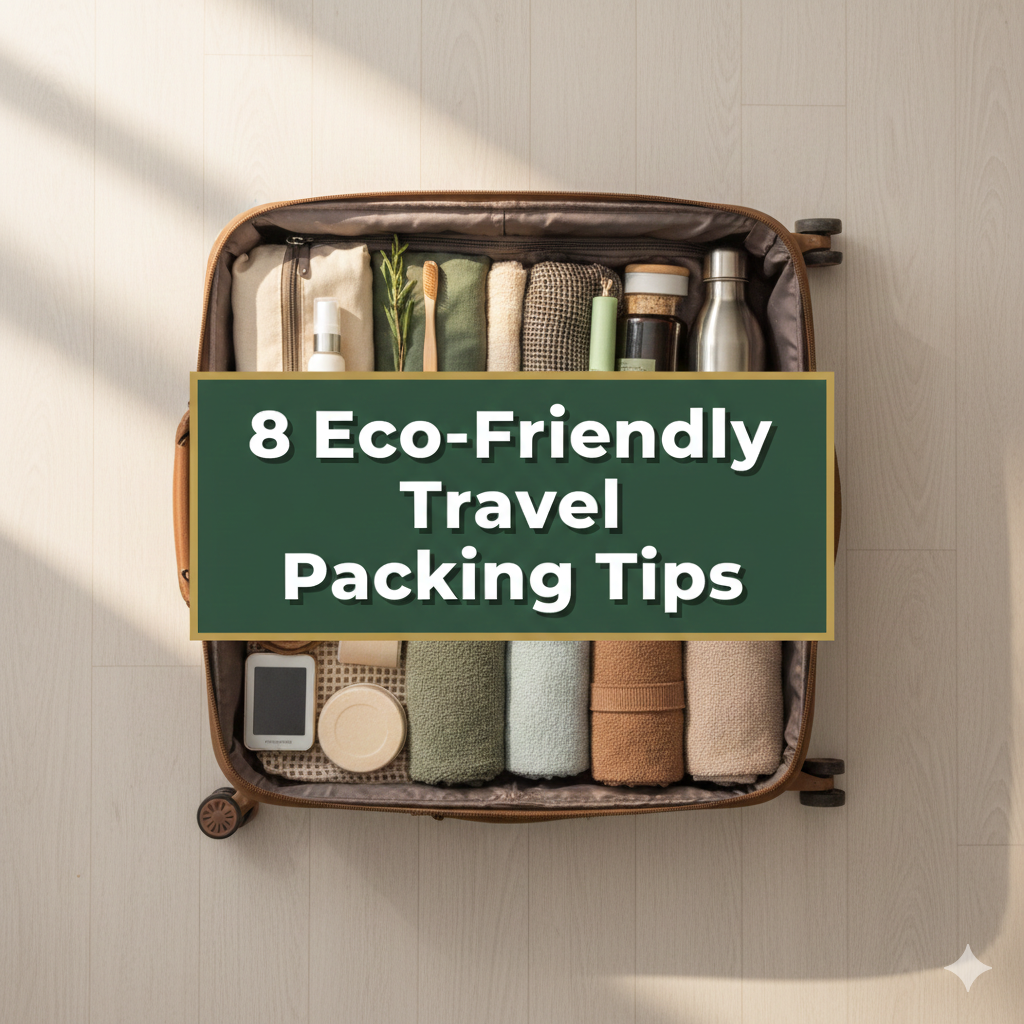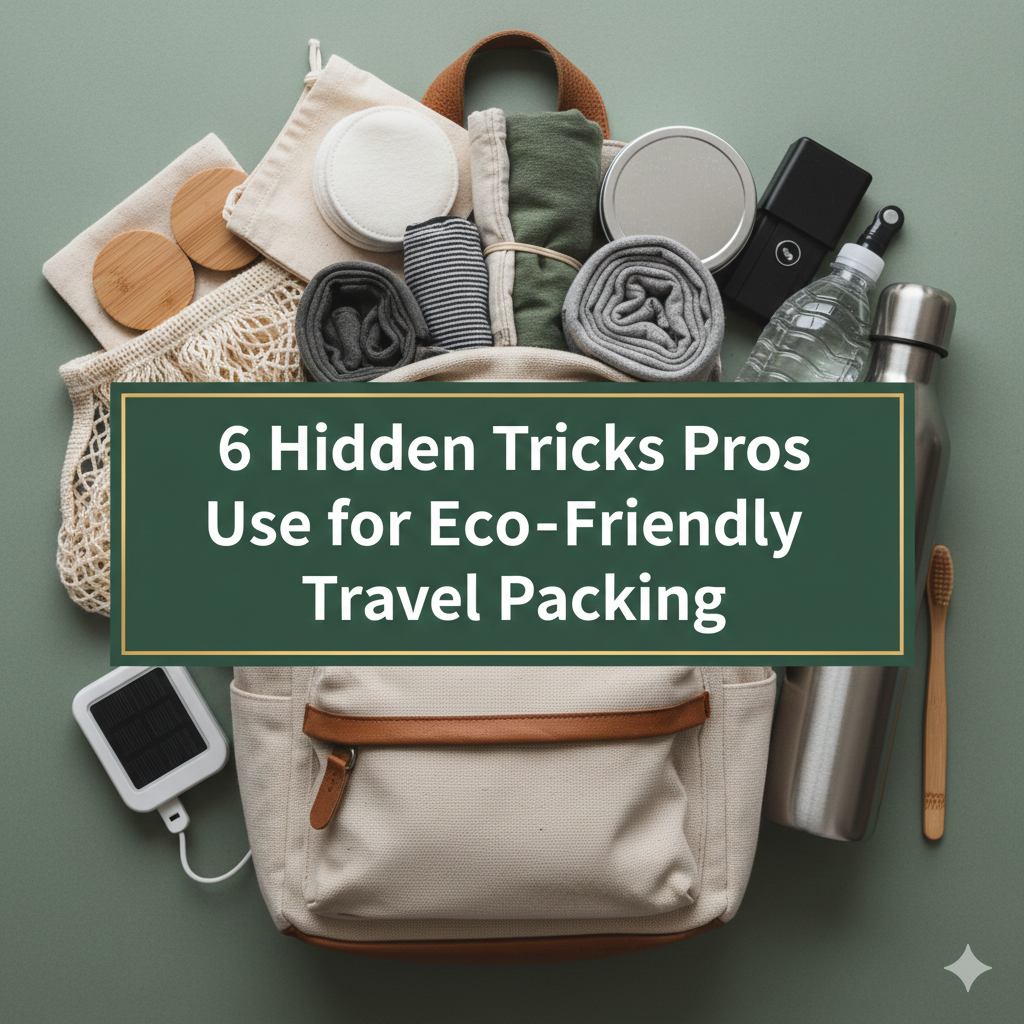
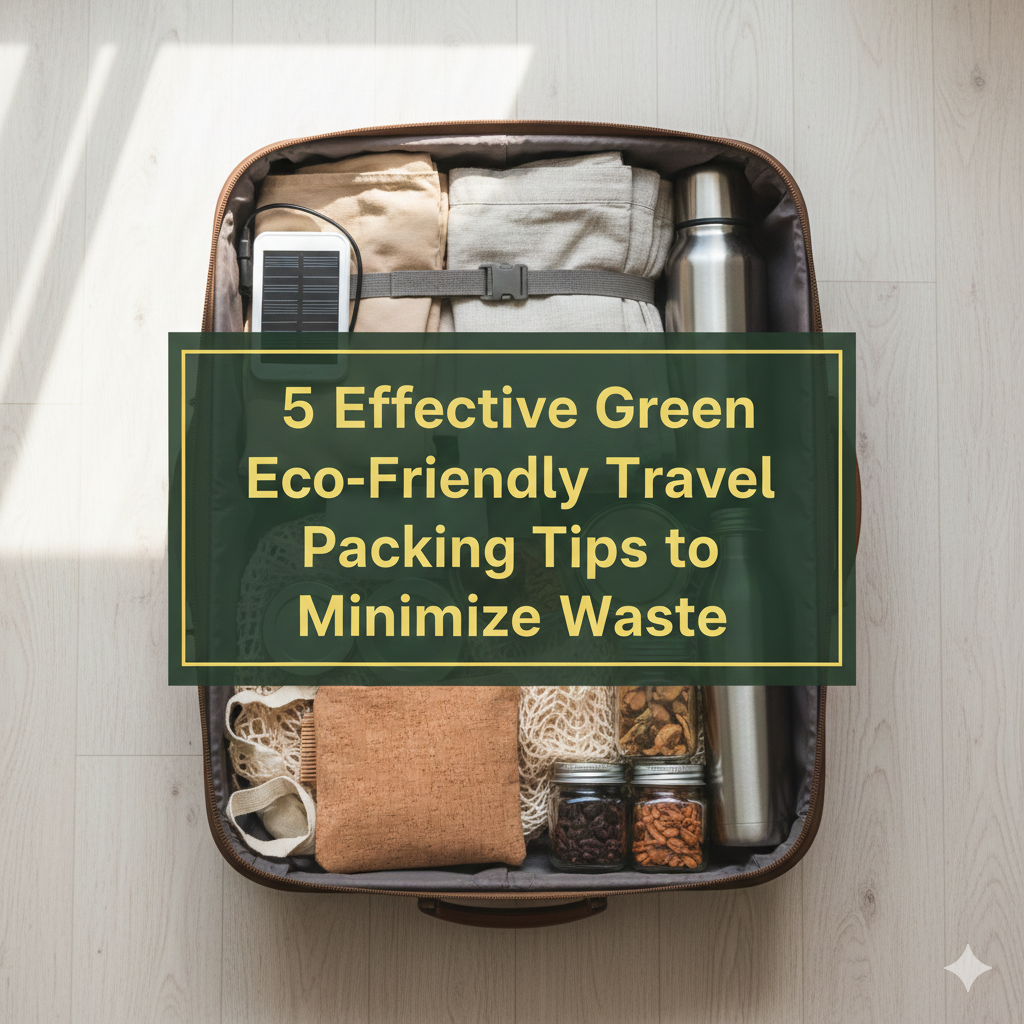

Each year, millions of holidaymakers abandon more than footprints. They leave behind plastic bottles, single-use toiletry containers, disposable bags, and mountains of unnecessary packaging. The good news? A couple of intelligent decisions before you zip up your suitcase can make all the difference.
Eco-friendly travel packing isn’t simply a trend. It’s a tangible, practical means of experiencing the world while trying to put as little pressure on it as you can. And the best part? It often saves you money too.
Whether you’re going to a beach resort, a mountain trail, or a metropolis, these five packing tips will help lighten your load and keep things neater and greener. No complicated rules. No guilt trips. Just simple, actionable steps that actually work.
Let’s dive in.
Tip 1: Replace Your Disposable Toiletry Containers and Products With Reusable Ones
Why Your Toiletry Bag Is a Plastic Nightmare
Most travelers pack a bag full of small plastic bottles — shampoo, conditioner, body wash, face wash, lotion. These little bottles add up to a large amount of plastic waste around the world. Hotels often provide single-use toiletry bottles that end up in the trash after one or two uses. Even if you carry your own from home, those plastic bottles mostly end up in a landfill after your trip.
The answer isn’t as complicated as you might think.
Go Solid Whenever You Can
Solid shampoo bars, conditioner bars, and solid soap are a game-changer for eco-friendly travel packing. They don’t require plastic packaging. They also last longer than liquid products. And they’re approved for carry-on baggage, even at airports with the 3.4-ounce liquid rule.
Brands such as Lush, HiBar, and Ethique create solid hair and body products that are just as — if not more — effective than their liquid counterparts. One solid shampoo bar can eliminate the need for two to three plastic bottles of liquid shampoo.
Use Refillable Travel Containers
If you prefer your favorite liquid products, pour them into small, reusable silicone or aluminum containers. These are washable and refillable for every trip. No more purchasing travel-size single-use plastic containers that are used once and thrown away.
Look for TSA-approved silicone reusable travel bottles. They are easy to squeeze, don’t leak, and last for years.
| Product Type | Single-Use Plastic Option | Eco-Friendly Alternative |
|---|---|---|
| Shampoo | Plastic travel bottle | Solid shampoo bar |
| Body wash | Single-use hotel bottle | Refillable silicone container |
| Face wash | Plastic pump bottle | Solid cleanser bar |
| Lotion | Disposable tube | Refillable aluminum tin |
| Sunscreen | Plastic squeeze bottle | Reef-safe solid sunscreen stick |
Don’t Forget Your Toothbrush
Switching to a bamboo toothbrush is a small swap that makes a big difference. A plastic toothbrush takes over 400 years to decompose. Bamboo ones are biodegradable and just as effective. Combine that with toothpaste tablets — which come in a little glass jar or compostable bag — and you’ve eliminated plastic entirely from your dental routine.
Tip 2: Pack a Versatile Reusable Kit That Covers Every Situation
The Issue With “Just Grabbing One There”
It sounds harmless. You leave your water bottle at home, so you purchase one at the airport. You need a bag at the market, so you grab a plastic one. You pick up plastic cutlery with your street food lunch. Each feels small, but together they are perhaps the biggest cumulative source of travel waste for most people.
The solution is a compact reusable kit you can drop into your bag.
What to Pack in Your Reusable Travel Kit
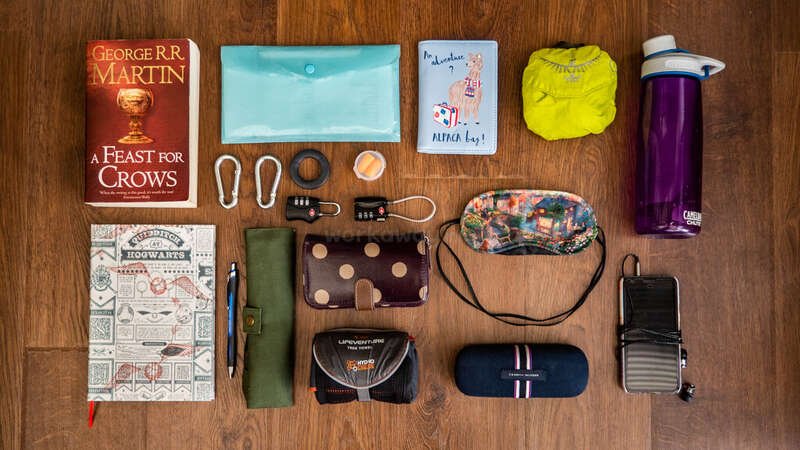
Your eco-friendly travel packing kit doesn’t need to be heavy or bulky. Here is what to include:
Reusable Water Bottle: Take along a stainless steel or BPA-free collapsible water bottle. Collapsible ones are particularly good for travel — they take up almost no space when empty. Many airports have water refill stations now, and hotels will usually fill your bottle upon request.
Reusable Tote Bag: A lightweight, foldable tote bag fits in your pocket and replaces dozens of plastic bags at markets, grocery stores, and souvenir shops. Opt for one made from organic cotton or recycled materials.
Reusable Cutlery Set: A compact bamboo or stainless steel cutlery set — fork, knife, spoon, chopsticks, and straw — fits snugly in a small pouch. Ideal for street food, picnics, and food markets where plastic cutlery is the norm.
Beeswax Wraps or Reusable Snack Bags: If you’re taking snacks on flights and day trips, leave the zip-lock bags at home. Beeswax wraps can be used to wrap sandwiches or fruit. For everything else, reusable silicone bags are perfect.
Reusable Coffee Cup: If coffee is your weakness, pack a small collapsible silicone cup. Several cafes around the world will give you a small discount if you bring your own cup.
How Much Waste Can Your Kit Really Divert?
Here’s a look at the waste one traveler could prevent on a 10-day trip by using a reusable kit:
| Item | Single-Use Items Prevented | Estimated Waste Saved |
|---|---|---|
| Water bottle | 20 plastic bottles | ~1 kg of plastic |
| Tote bag | 10 plastic bags | ~150g of plastic |
| Cutlery set | 10 sets of plastic cutlery | ~200g of plastic |
| Coffee cup | 10 disposable cups + lids | ~300g of plastic/paper |
| Snack bags | 15 zip-lock bags | ~100g of plastic |
| Total | 65+ items | ~1.75 kg of waste |
One person. One trip. Almost two kilograms of trash prevented. Multiply that by even a few thousand travelers and those numbers become staggering.
Tip 3: Choose Sustainable Clothing and Pack Less of It
Fast Fashion Has a Packing Problem
Many travelers overpack. They bring outfits for every possible scenario and end up wearing only half of what they packed. Worse, much of travel clothing is made from synthetic materials such as polyester and nylon. Every time these are washed, they release tiny plastic fibers — called microplastics — into waterways.
Eco-friendly travel packing means being more mindful of what clothes you pack and what they are made from.
The “Fewer Pieces, More Outfits” Method
The secret to sustainable travel clothing is versatility. Choose pieces that can be mixed and matched easily. A neutral-colored pair of pants can transition from a hiking trail to a nice dinner with just a top swap. A lightweight scarf can serve as a wrap, beach cover-up, airplane pillow, or sun shield.
Aim to pack no more than 5 to 7 clothing items for a week-long trip, excluding underwear and socks. This is often referred to as a “capsule wardrobe” approach to travel.
Choose the Right Fabrics
Wherever possible, invest in clothing made from natural, sustainable materials:
Merino wool is incredibly versatile. It regulates temperature, resists odors — so you can wear it for multiple days without washing — and is naturally biodegradable.
Organic cotton is gentler on the environment than conventional cotton, which is one of the most pesticide-heavy crops in the world.
Recycled polyester is not ideal, but it is an improvement over virgin polyester. Brands like Patagonia and Cotopaxi use recycled materials in many of their travel pieces.
Tencel or Lyocell is derived from wood pulp in a closed-loop process where water and solvents are reused. It is soft, breathable, and eco-friendly.
What About Laundry on the Road?
Washing clothes while traveling is a smart eco-friendly habit. Pack a small bar of biodegradable travel soap, or even better, laundry sheets — they come in paper packaging and dissolve in water. These work for hand-washing in a sink and are safe for natural water sources while camping.
Avoid hotel laundry services that wash smaller loads with harsh detergents. Hand-washing a few items each evening keeps your bag light and your footprint smaller.
A Simple Packing List for a 7-Day Trip
| Category | Items |
|---|---|
| Tops | 3 versatile tops (mix of casual and smart) |
| Bottoms | 2 bottoms (one casual, one slightly dressier) |
| Outerwear | 1 lightweight, packable jacket |
| Shoes | 2 pairs max (walking shoes + sandals or dress shoes) |
| Accessories | 1 scarf, 1 hat |
| Underwear/Socks | 4–5 pairs of each |
Tip 4: Ditch the Paper and Go Digital

Yes, Paper Waste Exists Even on Vacation
Guidebooks, maps, boarding passes, hotel confirmations, tour tickets, and restaurant lists — travel comes with a surprising amount of paper. Most of it is used just once or twice and then thrown away.
Going digital is one of the easiest eco-friendly travel packing decisions you can make. It also lightens your bag and makes your travel smoother.
Everything Your Phone Can Replace
Your smartphone is one of the most powerful eco-friendly travel tools you have. Here’s what you can ditch when you go digital:
Boarding passes: Almost every airline now offers mobile boarding passes through their app. Some airports even accept them for international travel. Download yours before you get to the airport.
Hotel and booking confirmations: Save PDFs to your phone, or use an app like TripIt, which automatically organizes all your travel confirmations in one place.
Maps and guidebooks: Google Maps works offline when you download a region ahead of time. Apps like Maps.me and Organic Maps are specifically designed for offline travel navigation. For local tips and guides, apps like Culture Trip or Atlas Obscura — or even a saved Google Doc — can replace a heavy guidebook.
Travel journal: If you like to journal while traveling, try a digital option like Notion, Day One, or even just the Notes app on your phone. It weighs nothing and never runs out of pages.
Travel documents: Scan your passport, travel insurance, and visa documents and store them securely in a cloud service or email them to yourself. Some countries and airlines also accept digital copies.
When Paper Is Unavoidable
Sometimes you need physical documents — some countries require printed visas, and certain borders will not accept digital copies. In those cases, print only what is absolutely necessary. Use both sides of the paper. And recycle when you’re done.
If you plan to bring a journal or notebook for sketching or writing, choose one made from recycled paper or from a brand committed to sustainable forestry practices.
A Note on E-Readers
If you’re a reader, an e-reader like a Kindle or Kobo is far more sustainable than packing three or four physical books. One device holds thousands of books, weighs less than a single paperback, and eliminates the packaging and shipping footprint of physical book purchases.
Tip 5: Don’t Forget Eco-Friendly Sunscreen, Bug Repellent, and Health Products
The Hidden Environmental Cost of Your Health Products
This is one of the most overlooked parts of eco-friendly travel packing. The products you put on your skin eventually wash off — into the ocean, into rivers, into the soil. Many conventional sunscreens contain chemicals like oxybenzone and octinoxate that are toxic to coral reefs. Standard bug sprays contain DEET, which can harm aquatic insects and fish when it washes off your skin.
Choosing cleaner, more natural alternatives protects not just the environment, but your own health too. For more guidance on making planet-friendly choices before and during your trip, EcoFriendlyTravel.online is a great resource for sustainable travelers at every level.
Choose Reef-Safe Sunscreen
Reef-safe sunscreens use mineral-based UV filters like zinc oxide or titanium dioxide instead of chemical filters. These don’t absorb into your skin — they sit on top and physically block UV rays. They are safer for coral reefs, marine life, and your own body.
Look for sunscreens that are:
- Free from oxybenzone, octinoxate, octocrylene, and parabens
- Packaged in recyclable or biodegradable containers
- Available in solid stick form to eliminate plastic packaging
Popular eco-friendly sunscreen brands include Raw Elements, All Good, and Badger.
Some destinations — including Hawaii, Palau, and the U.S. Virgin Islands — have actually banned chemical sunscreens to protect their reefs. Switching now means you are already prepared for wherever your travels take you. According to the National Oceanic and Atmospheric Administration (NOAA), certain sunscreen chemicals can cause coral bleaching, disrupt the development of fish and other sea life, and damage coral DNA — making the switch to reef-safe options more important than ever.
Natural Bug Repellent Options
Natural bug repellents use plant-based ingredients like citronella, eucalyptus, lemon, and lavender to deter insects. They are less effective than DEET in high-risk mosquito areas, so do your research based on your destination.
If you are traveling to areas with a high risk of malaria or dengue fever, consult a doctor before ditching DEET entirely. In those cases, use it carefully and minimize skin-to-water contact while wearing it.
For lower-risk destinations, natural repellents work well and are far kinder to local ecosystems.
Other Health Products to Swap
| Conventional Product | Eco-Friendly Swap |
|---|---|
| Chemical sunscreen | Reef-safe mineral sunscreen stick |
| DEET bug spray | Plant-based bug repellent |
| Plastic-packaged pain reliever | Paper-packaged or glass-bottled alternatives |
| Synthetic wet wipes | Biodegradable bamboo wipes |
| Plastic bandage packaging | Paper-packaged bandages |
| Disposable razors | Safety razor with replaceable steel blades |
A safety razor deserves special mention. Billions of disposable razors are thrown away every year. A single stainless steel safety razor lasts a lifetime, and only the blade needs replacing — it is fully recyclable and costs just cents per blade.
Putting It All Together: Your Eco-Friendly Packing Checklist
Before you head out on your next trip, run through this checklist to make sure your bag is as green as it can be:
Toiletries & Personal Care:
- Solid shampoo and conditioner bars
- Refillable silicone travel containers
- Bamboo toothbrush and toothpaste tablets
- Reef-safe mineral sunscreen
- Natural or DEET-free bug repellent (where appropriate)
- Safety razor with steel blades
- Biodegradable wipes
Reusable Kit:
- Stainless steel or collapsible water bottle
- Foldable tote bag
- Bamboo or stainless steel cutlery set
- Reusable coffee cup
- Beeswax wraps or silicone snack bags
Clothing:
- Capsule wardrobe of 5–7 versatile pieces
- Natural or sustainable fabrics (merino, organic cotton, Tencel)
- Biodegradable laundry soap for hand-washing
Digital & Paper:
- Mobile boarding passes
- Offline maps downloaded
- Digital travel confirmations
- E-reader instead of physical books
Health & Wellness:
- Only print what you truly need
- Recyclable packaging wherever possible
FAQs: Eco-Friendly Travel Packing
Q: Is eco-friendly travel packing more expensive? The barrier to entry can be slightly higher — a bamboo toothbrush or a solid shampoo bar might cost more upfront than conventional equivalents. But most eco-friendly products last significantly longer, which saves money over time. A safety razor, for example, costs more initially but saves hundreds of dollars in disposable razors over its lifetime.
Q: Can I pack solid shampoo bars in my carry-on? Yes. Solid shampoo bars are not subject to the TSA liquid rule, so you can carry them in your hand luggage without any restrictions. This also makes them more convenient than liquid products for short trips.
Q: What if the destination I’m visiting doesn’t have recycling facilities? This is a real challenge in many parts of the world. The best strategy is to reduce what you bring in the first place. Less packaging means less to dispose of. Choose products with minimal or compostable packaging, and if you do generate plastic waste, carry it with you until you find an appropriate disposal point.
Q: Are natural bug repellents safe to use around children? Many natural repellents are gentler and safer for children than DEET-based products. Always check the age recommendations on the label. Citronella and eucalyptus-based repellents are generally well-tolerated, but consult your pediatrician if you are unsure.
Q: How do I know if a sunscreen is truly reef-safe? Look at the ingredient list. Avoid oxybenzone, octinoxate, octocrylene, and homosalate. Choose products with non-nano zinc oxide or titanium dioxide as the active ingredient. Some brands carry third-party certifications, which provide extra reassurance.
Q: What is the single most impactful eco-friendly travel packing change I can make? Bringing a reusable water bottle is probably the highest-impact single swap. Plastic water bottles are one of the most common forms of travel waste globally, and access to safe tap water is available in more places than most travelers realize. A filtered water bottle — like a LifeStraw bottle — can even make tap water safe in destinations where water quality is questionable.
The Bigger Picture: Why Any of This Matters
Tourism is one of the world’s largest industries. It sustains hundreds of millions of jobs and brings people together across cultures in ways that build empathy and understanding. But it also places real pressure on natural environments, local water supplies, and waste management systems — particularly in popular tourist destinations.
Eco-friendly travel packing is not about being perfect. It is about being intentional. Every reusable bottle, every solid shampoo bar, every digital boarding pass is a small signal that you care about the places you visit and the people who live there.
Travelers who pack thoughtfully also tend to travel more mindfully in general. They are more likely to support local businesses, respect wildlife, and leave places better than they found them.
The places worth visiting most in this world — the coral reefs, the rainforests, the mountain ranges, the ancient cities — deserve travelers who show up with that kind of respect.
Pack smart. Travel light. Leave less behind.
Start with one tip from this list on your next trip. Just one. Once it becomes a habit, add another. Small changes, done consistently, add up to a genuinely different kind of impact.