

Beautiful World — Let’s Keep It That Way
Imagine it: You’re strolling along a white-sand beach in Thailand. The water is crystal clear. The sand is white. The air reeks of salt and freedom.
Now imagine that same beach strewn with plastic bottles, cigarette butts and garbage left behind by tourists.
That is the reality on the ground in many of the world’s most beloved places as of this moment.
Traveling is one of the best things in life. It opens your mind, generates empathy and creates memories you don’t forget. But it also has a downside — that is, when the cost is borne by the environment.
Aircraft flights emit carbon dioxide into the atmosphere. Thousands of gallons of water are wasted every day by hotels. Visitors will obliterate sensitive ecosystems without ever knowing it.
The good news? You can change that.
Eco-friendly travel — also known as responsible travel or sustainable travel or green travel — means making a positive impact on the places that you visit. And the best part? It doesn’t entail years of denying yourself fun, comfort and adventure.
This guide outlines 5 amazing green travel tips developed with first-time travelers in mind. Here are some tips to get you from here to there, whether you’re making a weekend road trip or a monthlong global odyssey — and travelling better for both of you.
Let’s dive in.
Why We Need Eco-Friendly Travel, Now More Than Ever
Before we zoom in on the detail, it might be worth considering the larger picture.
The tourism industry is one of the biggest in the world. Before the COVID-19 pandemic, international tourist arrivals were approaching nearly 1.3 billion, according to the United Nations World Tourism Organization — and those numbers are rebounding quickly.
All those travelers add up. Here’s what that means for the climate:
| Travel Activity | Environmental Impact |
|---|---|
| One round-trip flight (NY to London) | ~1.5 tons of CO₂ per passenger |
| Average hotel room per night | 35 kg of CO₂ + 300 liters of water |
| Single-use plastic in tourism | Millions of tons a year in coastal areas |
| Overtourism in popular spots | Habitat destruction, wildlife disturbance |
These numbers sound heavy. But travelers who make conscious choices can dramatically reduce this footprint.
According to studies, sustainable travel practices can reduce a traveler’s carbon footprint by as much as 70% at times. This is not small change — that’s a real difference.
Now we can discuss how to make it work.
Tip #1 – Pack Light and Pack Right
Why What You Pack Affects the Planet
Here’s something first-time travelers may not realize: The heavier the plane, the more fuel it uses.
Every extra kilogram of weight in a plane requires more fuel. When millions of travelers all overpack bulky bags, their collective impact is staggering.
Traveling light isn’t just easier for you — it’s actually so much better for the environment.
The One-Bag Challenge
The one-bag rule is something a lot of experienced eco-travelers swear by: everything they need can fit into a single carry-on or backpack.
It sounds extreme at first. But once you try it, hardly anyone goes back.
Here’s a simple packing framework:
The 1-2-3-4-5 Rule:
- 1 pair of shoes (wear a second pair)
- 2 bottoms (pants, shorts or skirts)
- 3 tops (versatile, mix-and-match colors)
- 4 pairs of socks and underwear
- 5 small toiletry essentials
That’s it. Mix and match. Do laundry along the way. Laundromats are available in most destinations and many guesthouses provide laundry services.
Avoid Single-Use Plastics Before You Get on the Road
What you pack also matters. Before you even pack your bags, jettison the disposable items and replace them with reusable versions.
| Single-Use Item | Eco-Friendly Swap |
|---|---|
| Plastic water bottle | Reusable stainless steel water bottle or BPA-free bottle |
| Travel-size shampoo bottles | Solid shampoo bar |
| Plastic grocery bags | Lightweight reusable tote bag |
| Disposable razors | Safety razor or electric razor |
| Paper maps and printed tickets | Digital downloads on your phone |
These swaps are small. But when you’re on the road for weeks, they save dozens of pieces of plastic from ending up in landfills or oceans.
Choose Sustainable Gear
When buying travel gear, seek out brands that make their products with recycled materials. Companies like Patagonia, Cotopaxi and Osprey design bags and other travel products with sustainability in mind.
A high-quality bag that you keep for 10 years will always be more eco-friendly than an inexpensive one that you replace annually.
Tip #2 – Choose Eco-Friendly Forms of Transportation
The Carbon Footprint of How You Get Around

Transportation is the largest component of a traveler’s carbon footprint. Specifically, flying.
Here’s a short comparison of various forms of transportation and their carbon emissions:
| Mode of Transport | CO₂ Emissions per Passenger per km |
|---|---|
| Short-haul flight | 255g |
| Long-haul flight | 195g |
| Car (average) | 171g |
| Bus | 89g |
| Train | 41g |
| Electric train | 6g |
| Cycling | 0g |
There is a world of difference between flying and taking the train. When possible, choose the train.
Fly Smarter When You Must Fly
Sure, you may not be able to avoid flying entirely — international travel can require it. And when you do fly, here’s how to make it a more sustainable choice:
Book non-stop flights. Takeoffs and landings consume the most fuel. A non-stop flight is always greener than a connection.
Fly economy class. Business and first-class seats occupy more space, carrying fewer people per flight, resulting in a higher footprint per person. Economy class is far more efficient.
Choose newer aircraft. Airlines with modern aircraft, like the Boeing 787 or Airbus A320neo, burn much less fuel than older models.
Fly during the day. Night flights create contrail clouds, which tend to warm the atmosphere. Daytime flying reduces this effect.
Offset Your Carbon (And Do It Right)
Carbon offsetting is when you give money to finance programs that seek to decrease greenhouse gases — for instance, planting trees or installing solar farms — in order to account for the emissions generated by your flight.
It’s not perfect, but it helps.
Search for certified offset programs through sites such as:
- Gold Standard (goldstandard.org)
- Cool Effect (cooleffect.org)
- Terrapass (terrapass.com)
Many airlines have begun providing offset options right at checkout. For more guidance on making every part of your journey greener, visit Eco Friendly Travel — a helpful resource dedicated to sustainable travel practices for all kinds of travelers.
Travel Like a Local Once You’re There
Once you arrive, skip the rental car if you can.
Ride buses, trams and metro systems. Rent a bicycle. Walk. These alternatives cut your emissions, save you money and sometimes even provide a more authentic travel experience.
Tip #3 — Stay Where It Actually Cares About the Planet
Not All Accommodations Are Created Equal
Where you sleep is as important as how you get there.
Traditional large hotels are huge consumers of energy and water. They wash towels daily. They run air conditioning 24/7. They provide single-use toiletries in small plastic bottles for every guest, every night.
Eco-friendly accommodations operate differently. They are designed to reduce waste, conserve resources and frequently give back to local communities.
What to Look For in a Green Hotel or Hostel
When making reservations, seek out these green signals:
Certifications to trust:
- Green Key (international certification)
- EarthCheck
- LEED Certified
- Rainforest Alliance (especially in the tropics)
You can look for certified properties on booking platforms such as Booking.com (filter by “Sustainability”), Airbnb (search for hosts with eco practices listed) or directly on the certification bodies’ websites.
Types of Eco-Friendly Accommodation
| Accommodation Type | Why It’s Eco-Friendly |
|---|---|
| Eco-lodges | Built with natural materials, some run on solar power or collect rainwater |
| Farm stays | Local food, low energy use, directly benefits the community |
| Glamping sites | Lower footprint than hotels, often in protected areas |
| Locally-owned guesthouses | Money stays within the community, smaller scale operations |
| Hostels | Shared resources = lower per-person environmental cost |
Easy Habits Inside Your Room
Even if you’re not staying at a certified eco-property, the way you behave inside your room makes a big difference.
Reuse your towels rather than asking for new ones every day. Turn off the air conditioning when you leave. Unplug chargers and electronics when not in use. Skip the daily housekeeping service.
These tiny habits add up to significant water and electricity savings per stay.
Tip #4 — Eat Local, Seasonal, and Smart
Food Has a Footprint Too
When considering eco-friendly travel, most people think only about transportation and lodging. But food is a really big part of the puzzle that gets missed all too often.
The world’s food system is responsible for about one-quarter of all greenhouse gas emissions. What you eat — and where it comes from — has a tangible environmental impact.
You also have a rare chance to eat in a way that directly benefits local communities and reduces your food miles.
What Are Food Miles?
“Food miles” are the distance food travels from where it is grown to where it is eaten.
An imported steak flown from Argentina to a tourist restaurant in Thailand racks up enormous food miles. Some locally grown rice with market-stall vegetables from down the street? Almost zero food miles.
Local food is fresher, better-tasting, often costs less and is significantly more sustainable.
How to Eat in a More Sustainable Way While Traveling
Eat at local markets. Seasonal, regional food is available from street vendors and markets. They’re also typically the tastiest and most reasonably priced pick in any city.
Try vegetarian or vegan meals. Plant-based food generally has a lower carbon footprint than animal-based food. You don’t need to go fully vegetarian — just swapping one meat meal a day for a local veggie dish can have a measurable impact.
Avoid food waste. Order nothing more than what you can consume. When portions are very large, which is typical of many tourist areas, think about sharing.
Say no to endangered seafood. At coastal destinations, some restaurants serve fish or seafood from overfished or endangered species. Refer to the Seafood Watch guide from the Monterey Bay Aquarium to see what is sustainable.
Skip imported junk food. Do not be tempted to purchase familiar snack brands from home. Imported processed food has a high carbon footprint and takes money out of the local economy.
A Sample Eco-Friendly Day of Eating on the Road
| Meal | Eco-Friendly Choice | Why It Works |
|---|---|---|
| Breakfast | Local fruit, bread from a local bakery | Seasonal, less packaging |
| Lunch | Street food from a local vendor | Low food miles, supports small businesses |
| Snack | Freshly cut fruit from a market stall | No packaging waste |
| Dinner | A plant-based option at a locally-owned restaurant | Lower carbon emissions, money stays in the community |
Tip #5 – Treat Local Culture and Wildlife With Respect
Tourism Can Harm the Places It Loves
This last tip might be the most crucial — and it has nothing to do with carbon emissions or plastic waste.
Disrespecting local communities and wildlife can generate some of the most destructive kinds of tourism. And the vast majority of the time, tourists don’t even know they are doing damage.
Being a green and sustainable traveler also means being a respectful guest wherever you go.
Wildlife Tourism: What to Avoid
Animal tourism is a huge business. Unfortunately, a vast amount of it brings real misery to animals.
Avoid these experiences:
- Elephant rides (the training process involves severe cruelty)
- Paying to pose with drugged captive animals (a staple of tiger temples and snake shows)
- Watching performing animals (bears, monkeys, dolphins in shows)
- Touring fake sea turtle “sanctuaries” where tourists can handle eggs or hatchlings
- Purchasing products made from endangered animals (shells, ivory and certain leathers)
Support these instead:
- Reputable wildlife sanctuaries with hands-off observation only
- National parks with trained local guides
- Whale watching with licensed operators adhering to distance guidelines
- Birdwatching tours led by local naturalists
A good rule of thumb: If the animal is doing something it wouldn’t do in nature, walk away.
Protecting Cultural Heritage
Local cultures are as fragile as ecosystems. Mass tourism may erode traditions, drive locals out of their own neighborhoods and turn sacred sites into mere photo backdrops.
Here’s how to remain culturally conscious while you travel:
Learn a few words in the local language. Even just “hello,” “thank you” and “please” go a long way. Locals genuinely appreciate the effort.
Dress appropriately. Check dress codes before visiting religious sites, temples or traditional communities. What is casual back home may be deeply offensive elsewhere.
Ask before photographing people. Some people don’t like having their picture taken. Always ask first.
Spend money with local businesses. Skip international chain restaurants and souvenir shops owned by foreign companies. Buy crafts directly from artisans. Eat at family-run spots.
Don’t bargain aggressively. A little price negotiation is often a cultural expectation. But grinding a vendor down to save a dollar or two from someone who is earning very little isn’t a flex — it’s destructive.
The Overtourism Problem, and What You Can Do to Help
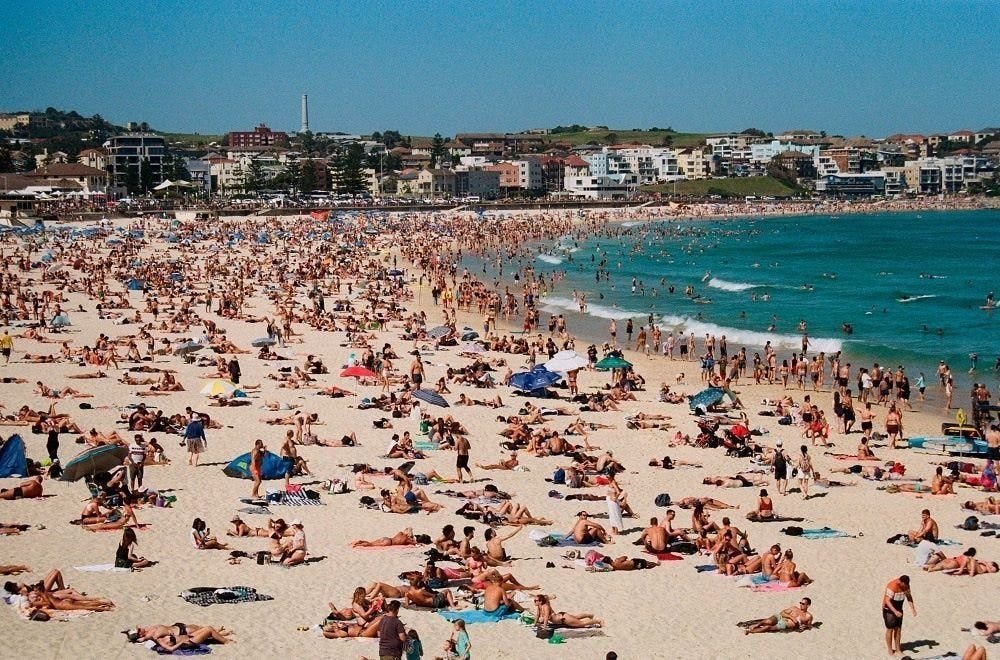
Some places get loved to death. Venice, Barcelona, Bali, Machu Picchu — these are among the places where an influx of visitors has left things damaged and diminished.
As a traveler, you can help by:
- Visiting during off-peak seasons
- Exploring less-visited alternatives nearby
- Staying longer in fewer places instead of rushing through many
- Obeying all signage at natural sites and cultural monuments
At-a-Glance: Your Eco-Friendly Travel Checklist
Here’s a quick checklist to bookmark before your next trip:
Before You Go:
- [ ] Travel lightly — ideally with one bag
- [ ] Swap disposable products for reusable versions
- [ ] Choose the greenest mode of transportation possible
- [ ] Book eco-certified accommodation
- [ ] Offset carbon for any flights
While You’re There:
- [ ] Take public transport, walk or ride a bicycle
- [ ] Eat local, seasonal food
- [ ] Carry and refill a reusable water bottle
- [ ] Reuse towels, turn off AC and lights when leaving
- [ ] Stay away from wildlife tourism that may harm animals
- [ ] Honor the traditions and sacred spaces of others
- [ ] Support local small businesses
When You Leave:
- [ ] Leave no trace — pack out all your trash
- [ ] Leave honest reviews for sustainable businesses so others can find them
- [ ] Share what you’ve learned with fellow travelers
FAQs About Eco-Friendly Travel
Q: Is traveling in an eco-friendly manner more expensive? Not necessarily. Local street food, family-hosted guesthouses and public transport are usually cheaper than their mainstream counterparts. Some certified eco-lodges are more expensive, but the gap is narrowing as sustainable tourism grows.
Q: Can I fly and still be an eco-conscious traveler? Yes. The aim isn’t perfection — it’s progress. Making smarter choices about how often you fly, which airlines you choose and how you travel once you land makes a real difference. Offset your emissions and focus on reducing impact wherever you can.
Q: What kind of trip is the most eco-friendly? In general, slow travel — spending a longer time in one or two places as opposed to hopping around multiple countries — has the lightest footprint. Train-based trips in Europe and domestic overland travel are some of the most environmentally friendly types of trips.
Q: How can I tell if a wildlife sanctuary is ethical? Ethical sanctuaries do not allow tourists to ride, hold or perform with the animals. Animals should live in natural or semi-natural environments. Seek transparency about how the animals were rescued and how they are cared for. Research with organizations like World Animal Protection before booking any wildlife experience.
Q: Does it even matter if only one person travels sustainably? One person matters. And one person who shares what they learn influences others. Movements begin with people making different choices. The tourism industry responds to consumer demand — when more travelers choose sustainable options, the industry shifts to meet that demand.
It Begins With One Decision
Eco-friendly travel isn’t about guilt. It’s not about never flying again or only sleeping in tents.
It’s about traveling with awareness. Understanding that the decisions you make — how you pack, how you get around, where you eat and what you buy — ripple out into the communities and ecosystems you pass through.
First-time travelers have a particular privilege — and power. You’re forming habits right now. Often the way you travel for the first time sets up how you will want to travel for life.
Choose habits that will allow the world’s most beautiful places to remain beautiful.
Because you don’t just want to see the world. You want to ensure that the world is still worth seeing — for all who come after you.
Pack smart. Travel slow. Eat local. Respect life. Always leave places better than you found them.
That’s eco-friendly travel. And it all begins with your very next trip.