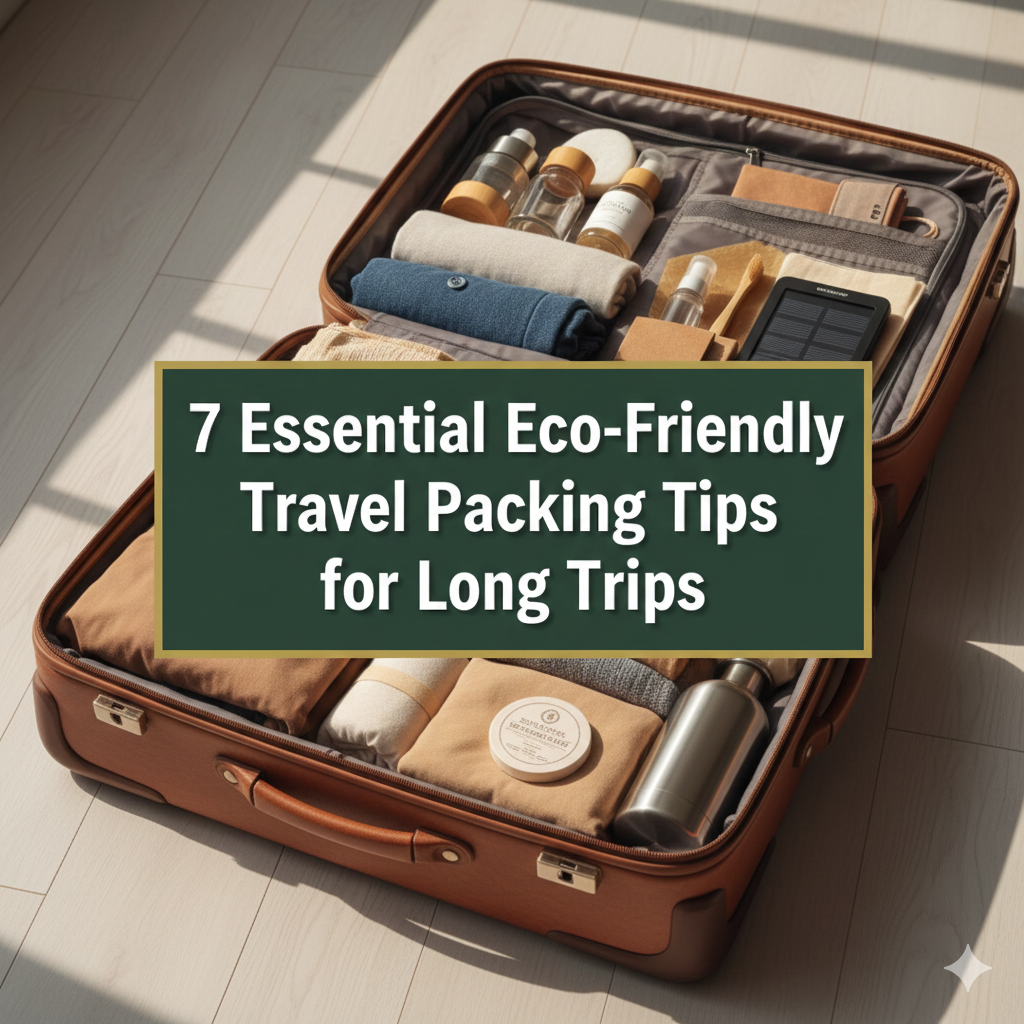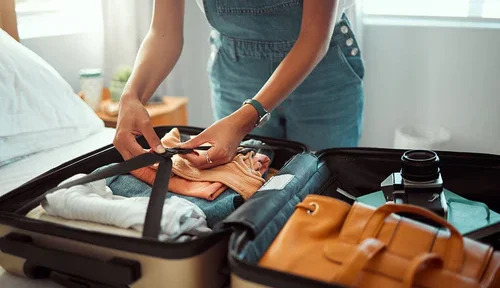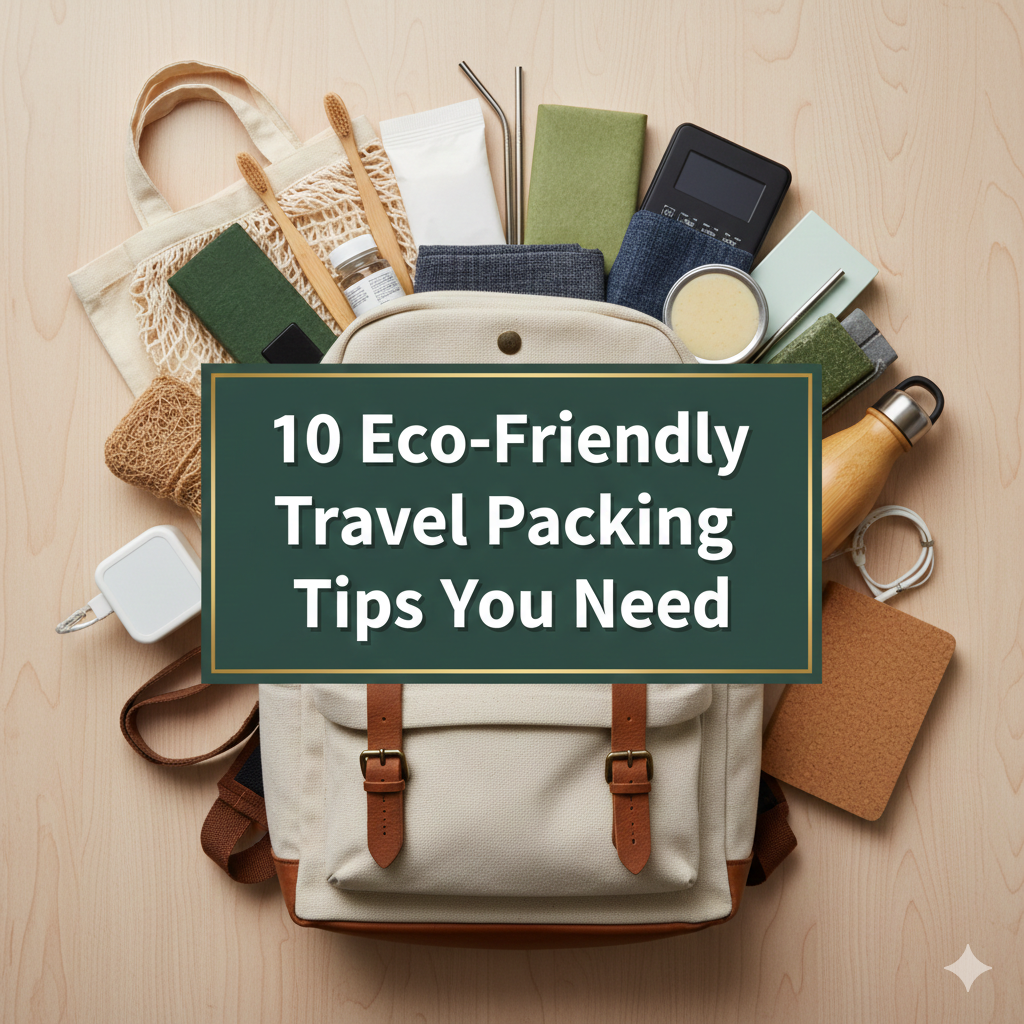
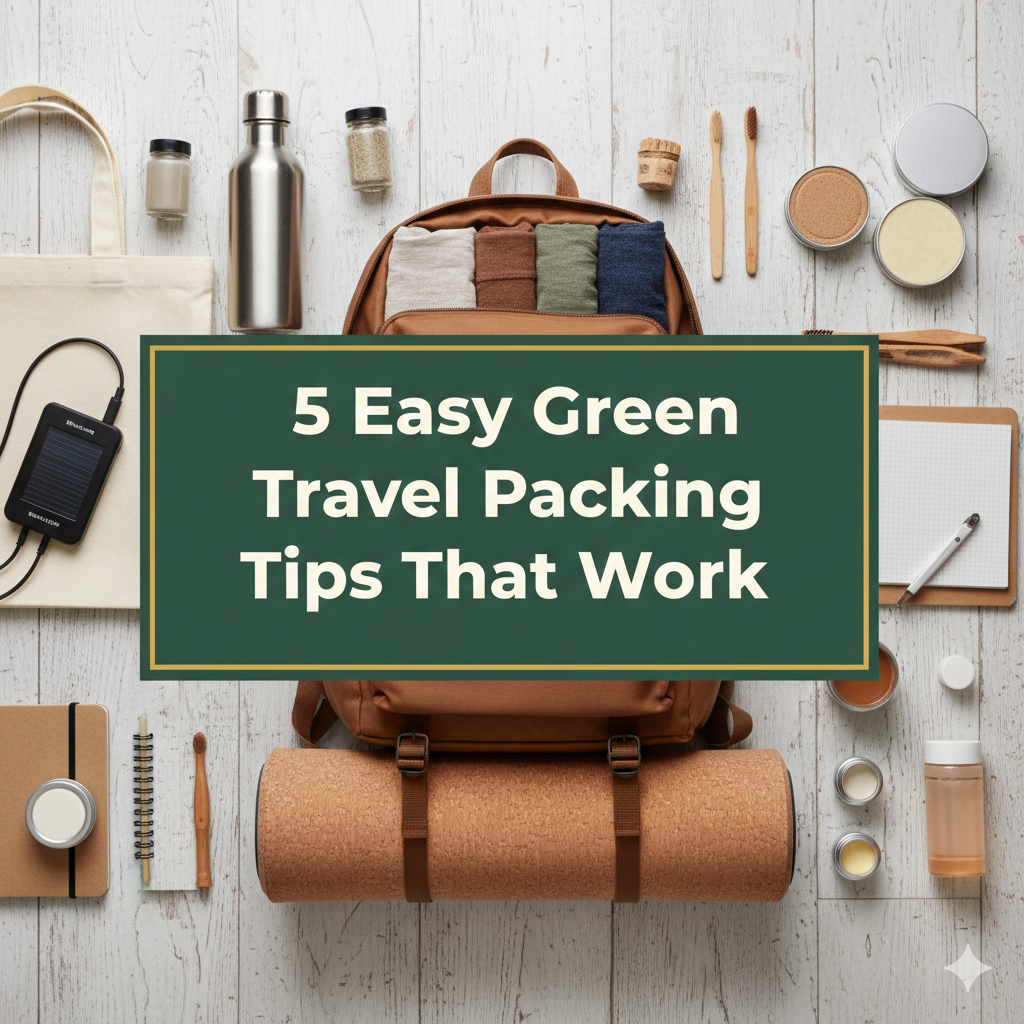

Imagine this: You are zipping up your suitcase the night before a big trip. You’re excited. You’re ready. But at the back of your mind you may be thinking: am I packing in a way that’s good for the planet?
Hardly anyone ever considers it. But the reality is, what goes in your bag counts for a lot more than you think.
Travel is one of life’s great pleasures. It opens your eyes, fills your heart, and connects you to the world like nothing else can. But it comes at a cost — not just financially but environmentally. And quite a bit of that expense actually begins all the way at the packing phase.
Here’s a statistic that may surprise you: on average, the traveler generates 1 kilogram of waste each day while on vacation. That is largely packaging, single-use plastics, and throwaway products. Multiply that by the 1.4 billion international tourist arrivals tallied around the world, and you quickly see the scale of the problem.
The good news? You don’t have to be an environmentalist or a guru of minimalism to make an impact. You’re just a few smart, straightforward swaps away from sealing up that suitcase.
These 5 eco-friendly travel packing tips are simple, beginner-friendly, and the real deal. They won’t take any comfort out of your trip. If anything, they will make it simpler, lighter, and more conscious.
Let’s dive in.
Before We Pack: Eco-Friendly Travel Begins at Home
Most people think about sustainable travel as what you do while on your trip — which restaurant you go to, which hotel you book, or how you get around.
Those things matter. But the most authentic eco-friendly travel starts long before you leave home.
Your packing decisions influence:
- How much fuel is burned to carry your luggage
- How much plastic trash you create on the go
- Whether you are contributing to the single-use culture in tourism
- How much of your money goes to waste
When you pack intentionally, everything downstream gets easier and greener. And the five tips below are tailor-made to help you do just that — without making your packing routine feel like a stressful science project.
Tip 1: Learn How to Pack Light
Heavy Bags Cost the Planet More Than You Think
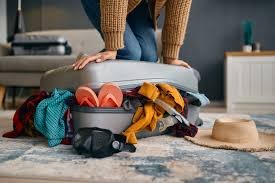
Let’s begin with the most significant lever you have available: carrying less.
It sounds obvious. But most travelers — particularly novices — still overpack. They pack back-up clothes for their back-up clothes. They add shoes “just in case.” They put a month’s supply of toiletries in their bag for only a week of travel.
All that extra weight comes with actual environmental impact.
Aircraft consume more fuel as they get heavier. The International Air Transport Association (IATA) states that every kilogram added to a flight increases overall fuel burn and, by extension, carbon emissions. The same is true on a road trip — a heavier car will use more fuel per mile.
On a smaller scale, it may not sound like very much. But multiplied across thousands of flights and millions of passengers, the effect is overwhelming.
The Capsule Wardrobe Method — Your New Best Friend
The best way to pack light is to construct a capsule wardrobe for your trip.
A capsule wardrobe is a small, carefully curated collection of clothing where every piece works well with everything else. Instead of cramming 12 outfits for a 10-day trip into your suitcase, you pack six to eight versatile items that mix and match into roughly 15–20 different combinations.
Here’s a basic capsule wardrobe formula that works for many trips:
| Category | Number of Pieces | Tips |
|---|---|---|
| Tops | 4–5 | Neutral colors, lightweight fabrics |
| Bottoms | 2–3 | One casual, one slightly dressy |
| Outerwear | 1 | Layerable, adaptable for different climates |
| Shoes | 2 | One walking shoe, one versatile option |
| Accessories | 2–3 | Scarves double as wraps and sun protection |
| Underwear/Socks | 5–6 | Quick-dry fabrics wash and dry overnight |
Quick-dry and merino wool fabrics are game-changers for eco-friendly packing. They resist odors, dry fast, and can be hand-washed in a sink — meaning you can rewear items far more often and pack way less.
The 5-5-5 Rule for Carry-On Travel
For a real-world challenge, try the 5-5-5 Rule for shorter trips:
- 5 tops
- 5 bottoms
- 5 accessories or extras
Everything fits in a carry-on. No checked bags. No additional fuel burned in cargo holds. No baggage fees. Just a lighter, simpler, and more eco-conscious way to travel.
Tip 2: Build Your Zero-Waste Toiletry Kit
Your Bathroom Products Are a Bigger Problem Than You Think
Here’s something most travelers never think about: their toiletry bag is one of the single largest sources of plastic waste when they travel.
Think about it. Mini hotel shampoo bottles. Plastic-wrapped soap bars. Single-use cotton rounds. Disposable razors. Travel-size toothpaste tubes that are used twice and tossed. Wet wipes wrapped in individual plastic packets.
Each item seems small. Together, they make for a mountain of waste — particularly when you calculate the impact across every guest at every hotel in the world.
The answer is to build a zero-waste toiletry kit before you go. And it’s simpler — and less expensive — than most people think.
Swapping Out the Worst Offenders
Here is a rundown of the leading single-use toiletry offenders and their eco-friendly replacements:
| Single-Use Item | Eco-Friendly Swap | Why It’s Better |
|---|---|---|
| Mini shampoo bottles | Shampoo bar | No plastic, lasts longer, TSA-approved |
| Liquid conditioner | Conditioner bar | Compact, waterproof, travel-friendly |
| Disposable razor | Safety razor or epilator | Lasts for years, zero plastic waste |
| Plastic toothbrush | Bamboo toothbrush | Biodegradable handle |
| Toothpaste tube | Toothpaste tablets | Zero plastic, TSA-approved |
| Cotton pads | Reusable cotton rounds | Washable, reusable hundreds of times |
| Single-use wipes | Reusable cloth wipes | Washable, multi-purpose |
| Plastic body wash bottle | Solid soap bar | Plastic-free, multi-use |
| Disposable deodorant | Solid or paste deodorant | Plastic-free, long-lasting |
Reusable Silicone Bottles: The Middle-Ground Solution
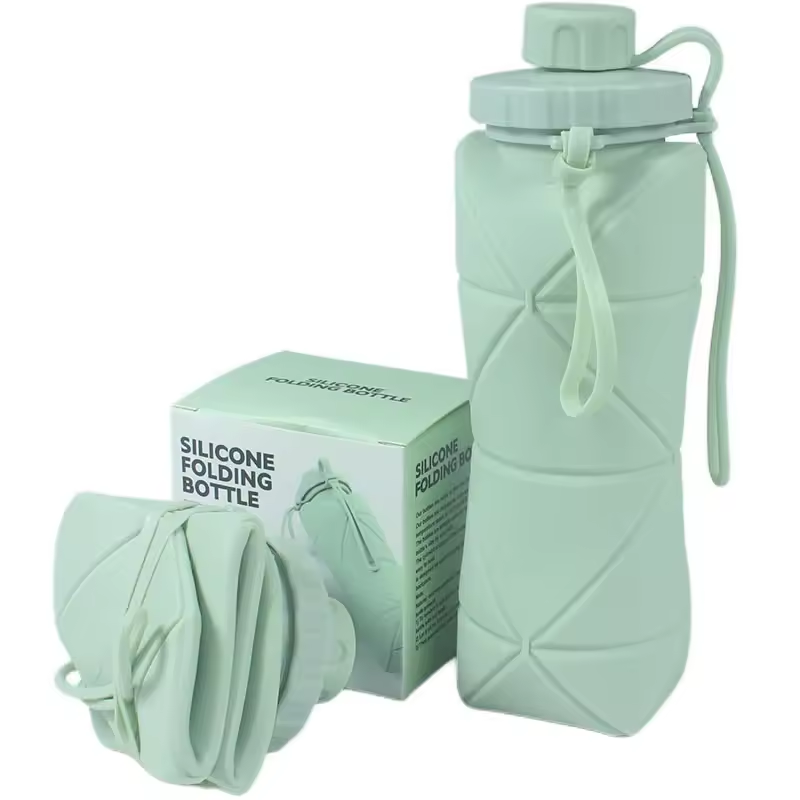
If you’re not yet ready to go all solid, reusable silicone travel bottles are an excellent in-between step. They’re TSA-approved (under 3.4 oz/100ml), can be refilled from your full-size products at home, and will last for years.
A set of three reusable silicone bottles costs around $10–$15 and can keep hundreds of plastic mini bottles out of the landfill. That’s a short-term investment with long-term returns — for the planet as well as your wallet.
One Bonus Tip: Solid Perfume
Solid perfumes come packed in tiny tins with no plastic and no liquid restrictions at airport security. They’re a small swap with a surprisingly satisfying payoff.
Tip 3: Make the Reusable Water Bottle Non-Negotiable
The Plastic Bottle Problem Is Worse Than You Think
Here’s a stat that puts it all in perspective: one million plastic bottles are bought every minute worldwide. A big portion of those are purchased by travelers who could just as easily have brought a bottle of their own.
A tourist visiting a popular destination can go through at least 3–5 plastic water bottles each day. That’s up to 70 bottles per person over a two-week trip. Most end up in the trash — or worse, in rivers, on beaches, and in the ocean.
One reusable water bottle eliminates all of that. It is the single highest-impact item you can add to your pack.
Picking the Right Bottle for Travel
Not all reusable bottles are created equal. Here’s what to consider when selecting one for travel:
| Feature | What to Look For |
|---|---|
| Material | Stainless steel (no chemical leaching, long-lasting) |
| Insulation | Double-walled vacuum insulation keeps drinks cold for 24 hours |
| Lid type | Leak-proof cap or flip-top for on-the-go use |
| Size | 500ml–750ml is the travel sweet spot |
| Extra features | Built-in filter for destinations with questionable water |
Brands like Hydro Flask, Klean Kanteen, and S’well are popular among eco-conscious travelers for good reason — they’re durable enough to last a decade or more.
What About Places Where Tap Water Isn’t Safe?
This is the pushback people express most often. And it’s a fair one.
Returning to single-use plastic is not the answer. It’s to go smarter:
Filtered water bottles — Brands such as LifeStraw and GRAYL produce bottles with built-in filters that remove bacteria, protozoa, and other impurities. You can fill them from virtually any fresh water source.
Large refillable jugs — In many destinations where tap water is not drinkable, large 5-gallon water jugs are available at local stores for a fraction of the cost of individual bottles. Buy one, refill your personal bottle each day.
Hotel and hostel water stations — A growing number of eco-conscious accommodations have started installing free filtered water refill stations specifically to reduce plastic bottle waste.
For further tips on accessing sustainable water while traveling, Eco Friendly Travel has compiled excellent destination-specific advice worth bookmarking.
Tip 4: Set Up Your Reusable Bag System (And Actually Use It)
Plastic Bags Are Everywhere in Travel — Here’s How to Beat Them
They’re everywhere. In every shop, on every market stall, stuffed into every hotel gift bag. Plastic bags are handed out so freely in tourist areas that you can hardly avoid taking one — unless you come prepared.
The good news is that replacing plastic bags on your travels takes almost zero effort and minimal extra space in your pack.
The Three-Bag System That Covers Everything
Here’s a simple reusable bag setup that handles about 95 percent of travel scenarios:
The Tote Bag A lightweight, foldable tote can be squeezed so small it fits in the palm of your hand and is perfect for grocery runs, market shopping, and day trip carrying. Pack at least one. Preferably two.
The Wet Bag A waterproof, reusable wet bag is one of the most overlooked travel items out there. Use it for damp swimwear, sweaty gym clothes, wet shoes, or leaky toiletries. It completely eliminates the need for plastic bags throughout your trip.
Packing Cubes Packing cubes are the organizational upgrade your suitcase has been waiting for. They replace the plastic bags most people use to separate clothing, shoes, and accessories inside their luggage. They compress your clothes, save space, and make packing and unpacking effortless.
The Environmental Math on Reusable Bags
| Item | Single Use | Reusable Equivalent | Waste Saved Per Trip |
|---|---|---|---|
| Shopping bags | 10–15 plastic bags | 1–2 tote bags | 10–15 bags |
| Wet swimwear bag | 3–5 plastic bags | 1 wet bag | 3–5 bags |
| Packing separators | 4–6 plastic bags | 4 packing cubes | 4–6 bags |
| Produce bags at markets | 5–10 plastic bags | 2–3 mesh bags | 5–10 bags |
That’s 20 to 35 fewer plastic bags per traveler over a two-week trip. Multiply that by even a modest number of eco-conscious travelers and the numbers become genuinely mind-boggling.
Tip 5: Go Paperless and Go Digital
The Hidden Paper Trail of Modern Travel
Travel paper waste is sneaky. It doesn’t look like much in the moment. A boarding pass here. A hotel confirmation there. A printed tour itinerary. A paper map. A stack of flyers pressed enthusiastically into your hand by a smiling vendor.
By the end of a two-week trip, the typical traveler has produced an astonishing pile of paper waste — much of which was entirely unnecessary.
Going paperless is one of the easiest eco-friendly travel packing tips on this list. The technology already exists, and most of it is completely free.
Your Complete Digital Travel Setup
Here’s how to swap out every significant source of paper waste in your travel routine:
Boarding Passes Every major airline supports mobile boarding passes. Download your airline’s app, check in online, and save your boarding pass to your phone’s digital wallet. It takes 30 seconds and eliminates paper entirely.
Hotel and Tour Confirmations Rather than printing out confirmation emails, save them to a dedicated travel folder in your email app. Or use a free app like TripIt — it automatically organizes your itinerary, confirmations, and bookings in one clean place.
Maps Google Maps allows you to download entire city maps for offline use — no data or Wi-Fi required. Apps like Maps.me and OsmAnd also provide detailed offline maps at no charge. No paper maps needed.
Guidebooks Physical guidebooks are heavy and single-use. Replace them with:
- Lonely Planet’s app — Full destination guides available offline
- Wikivoyage — A free, community-written travel guide
- YouTube — Better than any printed guide for visual destination research
Attraction Tickets Most museums, national parks, and tourist attractions have now moved to digital tickets sent via QR code to your email. Book ahead online whenever possible.
According to the Leave No Trace Center for Outdoor Ethics, small daily decisions — like going paperless — are among the most practical ways travelers can reduce their overall environmental footprint.
What Going Paperless Actually Saves
| Paper Item | Average Per Trip | Weight | Eco Impact |
|---|---|---|---|
| Boarding passes | 2–4 sheets | ~40g | Paper + printer ink waste |
| Hotel confirmations | 3–6 sheets | ~60g | Unnecessary printing |
| Maps | 1–3 maps | ~50g | Often used once and discarded |
| Guidebook | 1 book | 300–500g | Heavy, single-destination use |
| Tour tickets | 2–6 sheets | ~60g | Easily replaced by QR codes |
Going fully digital on a two-week trip can save each traveler close to 1kg of paper waste. That adds up fast across millions of trips.
Putting It All Together: Your Eco-Friendly Packing Checklist
Before you zip that bag closed, run through this quick checklist:
| ✅ Item | ✅ Purpose |
|---|---|
| Capsule wardrobe (8–10 pieces max) | Lighter bag, less fuel burned |
| Shampoo and conditioner bars | Zero plastic toiletry waste |
| Bamboo toothbrush + toothpaste tablets | Plastic-free dental care |
| Safety razor | Eliminates disposable razor waste |
| Reusable silicone travel bottles | Replaces mini plastic bottles |
| Insulated stainless steel water bottle | Eliminates single-use plastic bottles |
| Filtered water bottle (if needed) | Safe hydration without plastic |
| 2 foldable tote bags | Replaces plastic shopping bags |
| 1 waterproof wet bag | Replaces plastic bags for damp items |
| 4 packing cubes | Replaces plastic bags for organization |
| Mobile boarding pass saved to phone | Zero paper boarding waste |
| TripIt or email folder for confirmations | Paperless travel management |
| Offline maps downloaded | No printed maps needed |
| Digital guidebook app installed | Replaces heavy physical guidebook |
Save this list to your phone. Check it off before every trip. Done.
The Real-World Impact: What These 5 Tips Actually Save
Here’s the combined environmental impact for a traveler who follows all five eco-friendly travel packing tips on a typical two-week trip:
| Category | Waste Without These Tips | Waste With These Tips | Reduction |
|---|---|---|---|
| Plastic bottles | 40–70 bottles | 0 bottles | ~100% |
| Plastic bags | 25–40 bags | 0 bags | ~100% |
| Toiletry plastic | 8–12 items | 1–2 items | ~85% |
| Paper waste | ~1kg | ~0.1kg | ~90% |
| Carbon from extra luggage weight | Significant | Minimal | ~30–50% |
These aren’t small numbers. And that’s just one traveler, on one trip.
FAQs About Eco-Friendly Travel Packing
Q: Are these sustainable swaps pricier than regular travel products?
A few have a higher upfront cost, but most save you money in the long run. A stainless steel water bottle has a $25–$40 price tag but works out to thousands of dollars less than disposable plastic bottles over its lifetime. Shampoo bars also last longer than liquid and cost less per use. For most travelers, the swap pays for itself within a handful of trips.
Q: Are solid shampoo bars any good? What if I have colored or chemically treated hair?
Yes — many high-quality shampoo bars are designed specifically for color-treated, chemically processed, curly, or fine hair. Look for bars from brands like Ethique, Lush, or HiBar that categorize products by hair type. There’s a brief transition period of around 1–2 weeks as your scalp adjusts, but most people find the bars work just as well — if not better — than liquid alternatives.
Q: What is the easiest first step for someone trying to pack sustainably for the first time?
Start with the reusable water bottle. It’s the highest-impact, lowest-effort swap on this list. It saves plastic, saves money, and becomes a natural habit quickly. Once that feels comfortable, add one more swap per trip until your whole kit is eco-friendly.
Q: I’m visiting a country where the tap water isn’t safe. What should I do?
Use a filtered water bottle with a built-in filter — the LifeStraw Go and GRAYL GeoPress are both excellent options. Alternatively, buy large 5-gallon refill jugs from a local store instead of individual plastic bottles. This significantly reduces plastic waste even in destinations where tap water is not safe to drink.
Q: Is traveling light really about the environment, or is it just convenient?
Both. Convenience is a nice bonus, but the environmental impact is very much real. Heavier aircraft burn more fuel. Heavier cars use more gas. When you pack lighter — particularly if you avoid checking luggage altogether — you genuinely reduce your travel’s carbon footprint. It’s one of the rare eco-friendly travel packing tips where the benefit is both immediate and measurable.
Q: How can I persuade travel companions to pack more sustainably?
Lead by example — don’t lecture. When your travel companion watches you breeze through security with a carry-on while they pay $60 for checked bags, they’ll be curious. Offer your reusable bottle when they’re about to buy a plastic one. Let the results do the convincing.
Q: Can these tips work for family travel, not just solo or couple travel?
Absolutely. Families actually benefit more from these tips because the waste reduction scales up with the number of people. A family of four using reusable bottles eliminates 160–280 plastic bottles on a two-week trip. A full family capsule wardrobe approach can eliminate multiple checked bags entirely — and the luggage fees saved alone are considerable.
The Bottom Line
Eco-friendly travel doesn’t require sacrifice. It doesn’t demand costly equipment, radical lifestyle changes, or abandoning any of the elements that make travel terrific.
It just requires intention.
These 5 eco-friendly travel packing tips are simple, practical, and genuinely effective. They work for beginners. They work for budget travelers. They work for families, solo adventurers, business travelers, and everyone in between.
Pack a lighter bag. Build a zero-waste toiletry kit. Bring a reusable water bottle. Set up a simple bag system. Go paperless.
That’s it. Five decisions made at home — before your journey even starts — that make your entire trip cleaner, lighter, and more respectful of the incredible planet you’re heading out to explore.
The world’s most remarkable places deserve more than just a visit. They deserve a traveler who cares.
Be that traveler. Start with your suitcase.