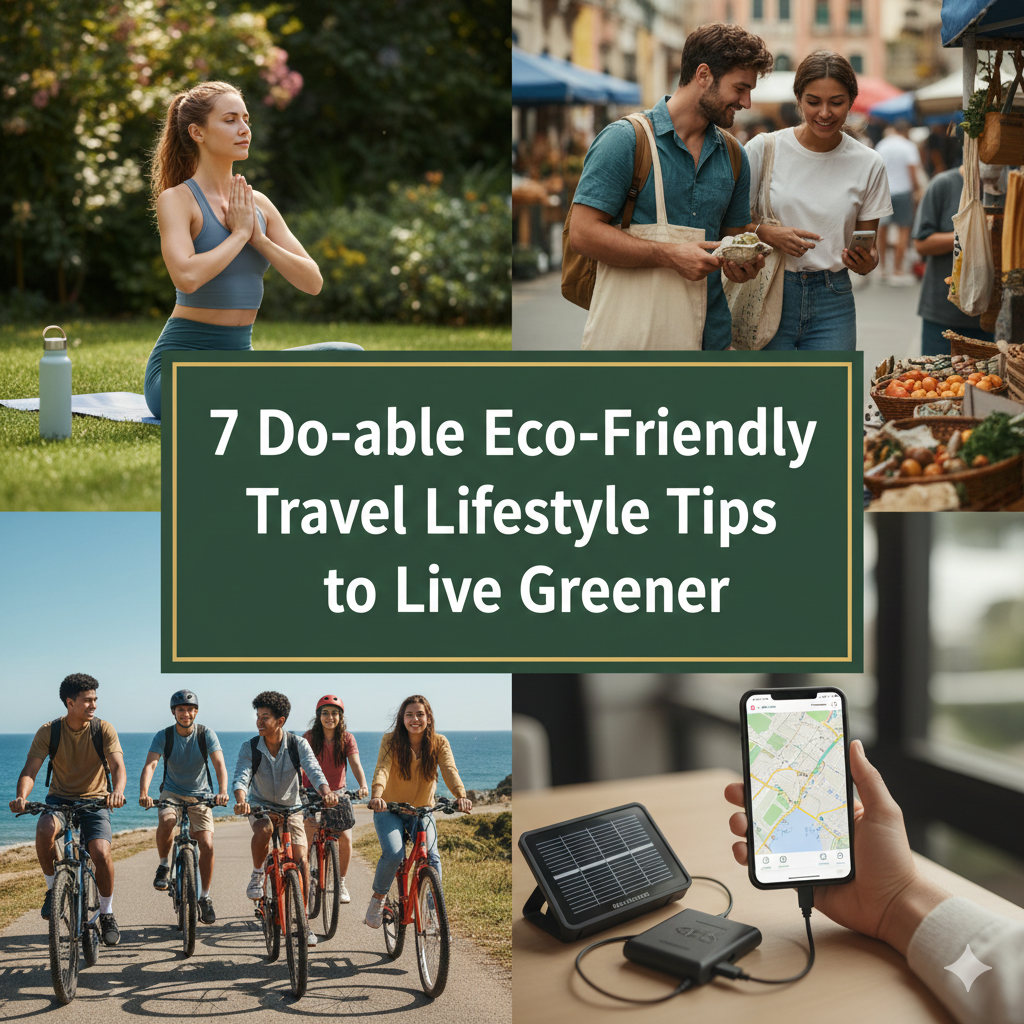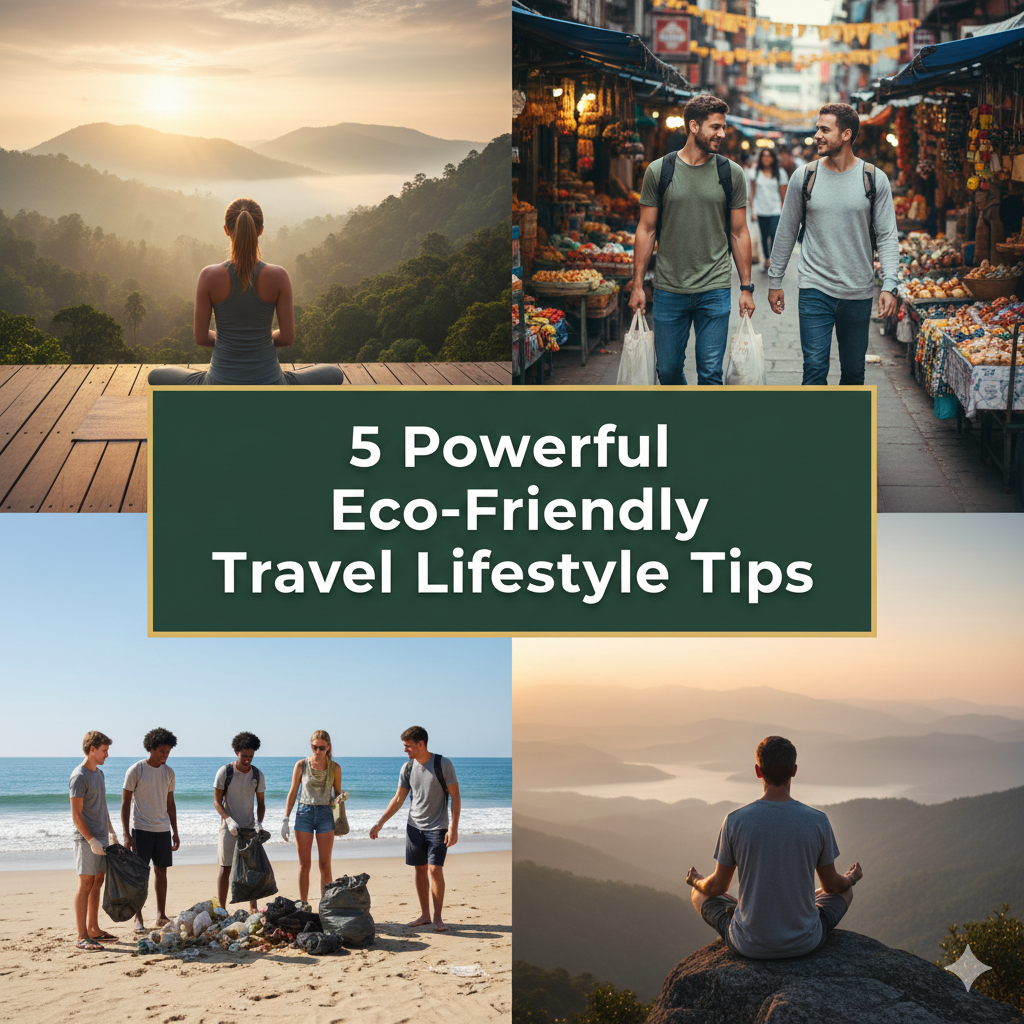


Travel these days comes with a quiet undercurrent of awareness. You scroll through photos of pristine beaches or mountain trails, but the captions often mention plastic-strewn shores, overtourism squeezing local life, or the carbon cost of getting there. Modern travelers—people with jobs, budgets, and limited time—don’t want to give up exploring, but they also don’t want to feel like part of the problem. The sweet spot is building a lifestyle around travel that feels lighter on the earth without turning every trip into a sacrifice.
These 12 tips aren’t about extreme zero-waste challenges or expensive gear. They’re everyday adjustments that fit into normal routines: what you pack, how you eat, where you stay, how you move, and how you interact once you’re there. They’re drawn from what real people do—digital nomads, weekend trippers, families on holiday—who’ve found ways to make greener choices second nature. Start with a few that click for you, and over trips, they become habit. The result? Trips that feel more connected, often cheaper, and a bit kinder to the places you love.
Tip 1: Build a reusable travel kit and make it non-negotiable
The foundation of greener travel is ditching single-use items before you even leave. Pack a small pouch with essentials: a sturdy metal or glass water bottle, a collapsible coffee cup (silicone or bamboo), metal straws with a cleaner brush, bamboo cutlery set, and a couple of lightweight cloth bags. Add beeswax wraps or a collapsible silicone container for leftovers.
This kit weighs almost nothing but prevents dozens of plastic bottles, cups, and bags per trip. Refill your bottle at hotels or public stations, sip coffee from your own cup at cafes (many give small discounts), and use the cutlery for street food or picnics. After a few journeys, forgetting it feels strange. It’s one of those habits that pays off fast—less waste, less spending, and you avoid the awkward moment of asking for no straw only to get one anyway.
Tip 2: Pack mindfully with multi-use, durable clothing
Overpacking is common, but it’s also wasteful—extra clothes mean more laundry water and energy, plus heavier bags that increase transport emissions. Aim for a capsule: 7-10 versatile pieces in coordinating colors, favoring natural fibers like merino wool, bamboo, or organic cotton that resist odor and dry quickly.

One pair of good walking shoes, a scarf that doubles as blanket or sun cover, a lightweight jacket. Hand-wash in the sink with a travel soap bar and hang to dry. This reduces what you need to carry, cuts down on fast-fashion purchases, and means fewer microplastics shed in hotel washers. Travelers often say it feels liberating—less to decide, more space for souvenirs that actually matter.
Tip 3: Choose accommodations that align with your values
You don’t need certified eco-resorts (though they’re great). Look for places that show effort: no single-use plastics in rooms, linen reuse programs, energy-efficient lighting, or local ownership. Booking sites have “sustainable” filters—use them. Even basic hostels or Airbnbs can be green if the host composts or sources locally.
When you arrive, turn off AC/lights when out, reuse towels, skip daily housekeeping. These small acts signal demand and encourage more properties to improve. Staying local-owned keeps money in the community rather than leaking to international chains. It often means better stories too—hosts who share tips, home-cooked breakfasts, authentic vibes.
Tip 4: Eat like a local with seasonal, low-mileage food
Imported meals rack up transport emissions and often come wrapped in plastic. Seek street vendors, markets, or small eateries using regional ingredients. In season produce tastes better, costs less, and supports farmers directly.

Use your reusable kit for takeaway—bring your container instead of styrofoam. Picnics from markets beat restaurants for waste reduction and let you people-watch in parks or beaches. Ask locals for recommendations; they’ll point you to hidden gems that big apps miss. Eating this way feels more immersive—you taste the place, not a global menu.
Tip 5: Embrace slow travel over constant movement
Frequent short trips or rapid itineraries multiply transport emissions. Instead, pick one or two bases and stay longer. Explore by foot, bike, or local bus from there. Slow travel means deeper connections—learning a neighborhood, chatting with the same cafe owner, discovering spots tourists skip.
Complete guide to slow travel: why and how to practice it
It reduces packing/unpacking, hotel laundry loads, and rushed decisions. You often spend less while experiencing more. Many who try it say it rekindles the joy of travel—less checklist, more presence.
Tip 6: Walk and bike as your default in destinations
Cities are made for feet. Walking emits nothing, keeps you fit, and reveals details—street food aromas, architecture quirks, local rhythms. Download offline maps and wander. For longer distances, rent bikes or use share schemes.
5 Reasons We All Need a Walking Vacation
It’s free, flexible, and often faster than traffic. In bike-friendly places, it feels like cheating—you glide past jams, find quiet alleys, arrive energized. Even in less ideal spots, short walks between transit stops add up to meaningful impact.
Tip 7: Offset flights and choose greener routes
Long-haul flights are tough to avoid, but you can minimize: direct routes, economy class (more passengers per plane), newer aircraft. Use offset programs from trusted orgs to balance unavoidable emissions—fund tree planting or clean energy.
Combine with fewer trips but longer stays. The mindset shift—treating flights as occasional—helps. Some apps show carbon comparisons when booking; glance at them.
Tip 8: Carry a low-waste mindset for shopping and souvenirs
Skip plastic-wrapped trinkets. Shop at markets for handmade, local crafts—support artisans, avoid mass-produced junk. Bring your tote for purchases.

Eco tourism destinations around the world
Choose experiences over things: cooking classes, guided walks, donations to local causes. Memories last longer than shelf clutter.
Tip 9: Respect wildlife and natural spaces
Stick to trails, don’t feed animals, use reef-safe sunscreen. Pick up litter—even if not yours. Choose operators with no-trace policies for hikes, dives, safaris.
Simple rules protect fragile ecosystems. Enjoy responsibly so others can too.
Tip 10: Go digital and reduce paper
E-tickets, apps for maps/guides, digital boarding passes. Less printing means less waste and lighter bags.
Tip 11: Conserve in your room daily
Unplug chargers, shorter showers, lights off. Reuse linens. These add up across guests.
Tip 12: Share and inspire quietly
Post tips, talk with friends. Your example encourages others without preaching.
These habits turn travel into something more mindful. You explore with less guilt, often more joy, and help keep destinations viable. It’s not perfection—it’s progress one trip at a time.