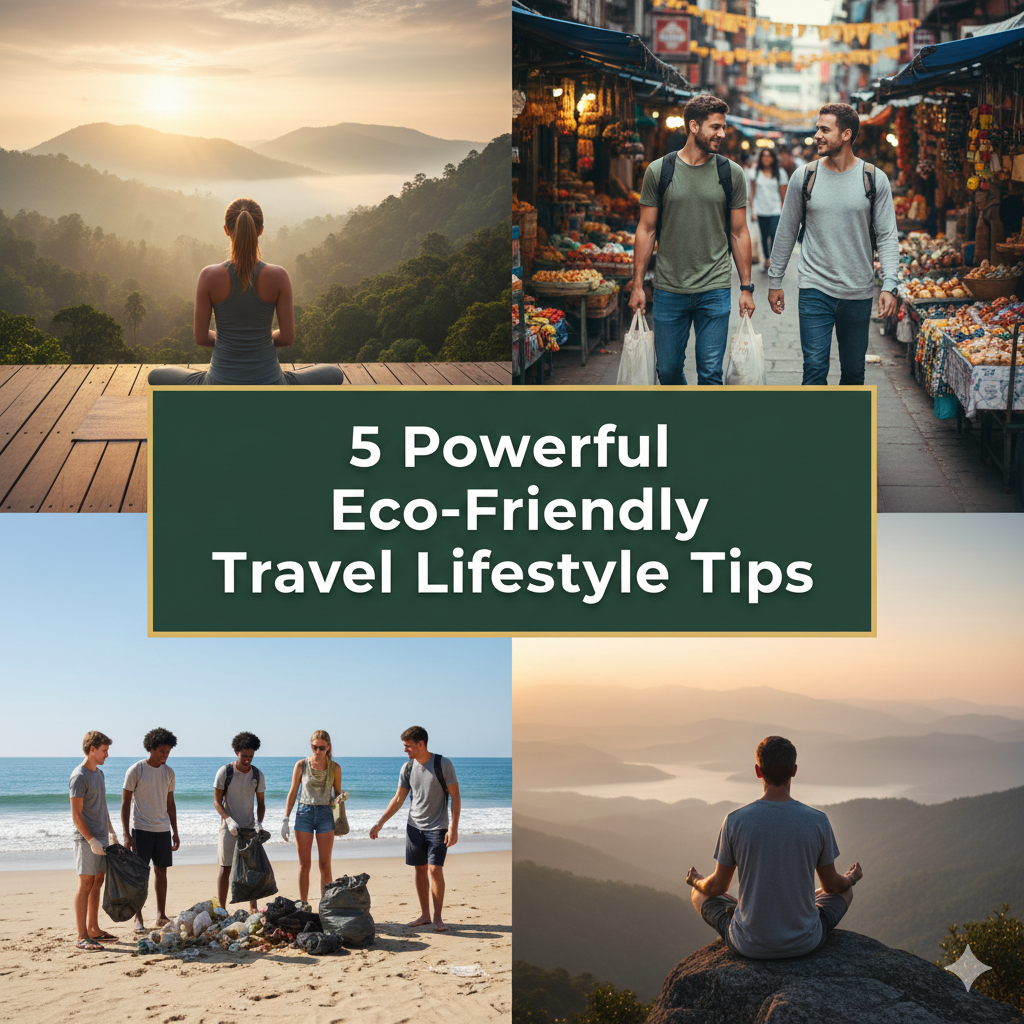
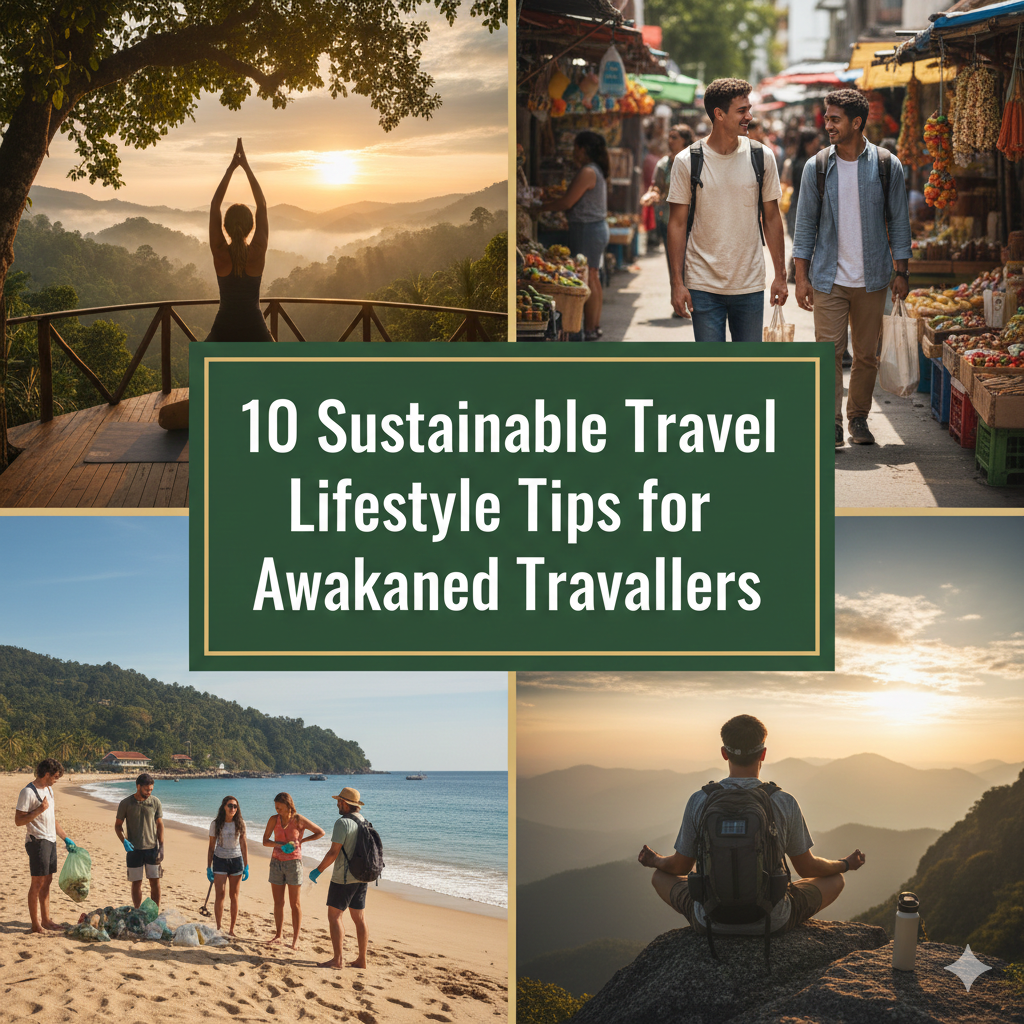

You love to travel. But every flight you board, plastic bottle you chuck, and hotel room you book leaves an indelible mark on the planet.
The good news? You don’t have to mess up the world to see it.
An increasing number of travelers are catching up to this fact. Sustainable travel is no longer a niche trend — it’s a movement. And joining it doesn’t have to come at the expense of comfort or adventure. It means making smarter choices that benefit yourself, local communities, and the environment.
This guide shares 10 impactful eco-friendly travel lifestyle tips that any kind of traveler — whether they are new to the game or looking to sharpen their knowledge — can adopt without delay.
Why Eco-Friendly Travel Actually Matters
Before jumping into the tips, let’s discuss why this conversation is such an important one.
Tourism is responsible for about 8% of global greenhouse gas emissions, according to research published in Nature Climate Change. Air travel is already one of the single largest contributors to carbon pollution.
Apart from emissions, mass tourism does real damage — coral reefs are destroyed by chemicals in sunscreen, wildlife is disturbed, and local cultures get commercialized beyond recognition.
But here’s the other side of that coin: responsible tourism, conducted properly, can finance conservation efforts, bolster local economies, and help maintain the very places we so enjoy discovering.
What you choose to do matters more than you may think.
Tip 1: Travel Light and Right
Less Baggage, Less Fuel Burned

Airplanes burn additional fuel for every kilogram of weight they carry. Heavier planes burn more fuel. More fuel means more emissions.
One of the easiest eco-friendly travel lifestyle habits to cultivate is the art of packing light. Try to stick with a carry-on only if you can. It makes you mindful of what you pack, and it saves you from bag fees too.
Choose Sustainable Gear
What you pack is just as important as how much you pack.
Look for:
- Stainless steel or BPA-free reusable water bottles
- Bamboo toothbrushes
- Solid shampoo bars (eliminates the plastic bottle and liquid waste)
- Reef-safe sunscreen
- A packable tote bag to replace plastic grocery bags
Brands like Patagonia, Hydro Flask, and Ethique introduce products with sustainability woven directly into their DNA.
A single reusable bottle can eliminate hundreds of single-use plastic bottles per trip.
Tip 2: Select More Sustainable Modes of Transportation
Rethink How You Get There
Flights are most travelers’ single largest source of carbon emissions. When you can, choose alternatives.
Trains are far cleaner than planes. A train from London to Paris produces about 90% less carbon than flying the same route. A night train lets you cover long distances while you sleep — no flight required, and no hotel stay needed.
Buses, ferries, and even bicycle tours are other low-impact alternatives worth exploring.
When Flying Is Unavoidable
Sometimes flying really is your only practical option. In that case:
- Fly economy (business class has much higher per-passenger carbon costs)
- Take direct flights — takeoffs and landings consume the most fuel
- Select airlines that are investing in sustainable aviation fuel (SAF)
On the Ground
Ditch the rental car as soon as you arrive. Take public transportation, rent a bike, or walk. Many cities now have fabulous bike-share systems. It’s less expensive, better for public health, and far better for air quality.
Tip 3: Stay in Eco-Certified Lodging
Not All Hotels Are Equal
The place you sleep has a big environmental footprint. Large chain hotels consume enormous amounts of water and energy. Some produce hundreds of kilograms of waste per room, per night.
Eco-certified accommodations operate differently. They minimize waste, use renewable energy, source food locally, and frequently give back to their surrounding communities.
What to Look For
| Certification | Description |
|---|---|
| Green Key | International sustainable hospitality award |
| LEED Certified | Building meets stringent energy and water efficiency requirements |
| EarthCheck | Science-based benchmarking for tourism businesses |
| Rainforest Alliance | Focused on biodiversity and community support |
Find these certifications listed on hotel websites, or search for vetted eco-friendly stays using platforms like BookDifferent or Ecobnb.
Guesthouses, homestays, and locally owned lodges tend to be naturally more sustainable — and they offer far more authentic travel experiences.
Tip 4: Eat Local, Eat Seasonal
Your Fork Is a Tool for Change
Food tourism is booming. But where and what you eat has real environmental consequences.
Food imported from elsewhere in the world travels thousands of miles before it reaches your plate, burning fuel along the way. Local, seasonal food requires fewer resources and directly benefits small farmers in the area.
More of your money stays in the community when you eat at a local restaurant instead of a global chain. Research has shown that local restaurants give back up to 3x more money to local economies compared to chain restaurants.
Making Smart Food Choices When Traveling
- Visit farmers’ markets when you travel
- Sample street food from small, family-run vendors
- Avoid restaurants that serve endangered species (more common in some regions than you’d think)
- Eat less meat, particularly beef, which has the highest carbon footprint of any common food
You don’t have to go fully vegan to make a difference. Even one plant-based meal a day over the course of your trip can result in a meaningful reduction in emissions.
Tip 5: Cut the Plastic — Across the Board

The Global Plastic Problem at Your Destination
Some of the most picturesque destinations in the world are filling up with plastic. Bali, Thailand, and parts of the Caribbean have all made headlines for being overwhelmed by plastic pollution.
As a traveler, you bring plastic in — and you can choose not to.
Simple Swaps That Add Up
- Decline plastic straws and cutlery at restaurants
- Carry your own reusable utensil set
- Use refill stations for water instead of purchasing single-use bottles
- Bring a tote for shopping
- Say no to plastic bags at souvenir shops
The Refill app (available in several countries) helps you find free water refill stations nearby. They are now common in many airports and train stations too.
Imagine if every traveler made just these five swaps. The impact would be enormous.
Tip 6: Respect Wildlife — Don’t Turn It Into Entertainment
Animal Attractions Are Often Not What They Seem
Elephant rides. Tiger selfies. Swimming with captive dolphins. These encounters are sold as magical experiences, but behind the scenes they frequently involve cruelty, exploitation, and wildlife trafficking.
Responsible eco-friendly travel requires taking a hard look at wildlife attractions before you book.
The Rule of Thumb
Ask yourself: would this animal be doing this out in the wild?
If elephants are giving rides, they were likely broken through a traumatic practice known as phajaan. If a tiger is calm enough for a photo, it’s probably drugged.
Ethical Wildlife Experiences
| Skip This | Do This Instead |
|---|---|
| Elephant rides | Elephant sanctuary (observe only) |
| Tiger selfie parks | Ethical wildlife reserves |
| Dolphin shows | Wild dolphin watching with regulated tours |
| Petting zoos with wild animals | Visit an accredited rescue center |
Organizations like World Animal Protection publish lists of humane wildlife experiences around the world. Use them.
Observing animals in their natural habitat — on a safari, a guided bird walk, or a reef snorkel — is almost always more memorable anyway.
Tip 7: Offset Your Carbon, But Do More Than That
What Carbon Offsetting Actually Is
Carbon offsetting involves calculating the emissions your trip produces, then paying to fund projects that reduce an equivalent amount of CO₂ elsewhere — such as reforestation, renewable energy, or methane capture programs.
It’s not a perfect system. Critics are right to say it can give travelers a false sense of license to pollute. But as a complement to genuine efforts to reduce emissions, it can be a useful tool.
How to Do It Right
Use reputable offset programs like:
- Gold Standard certified projects
- Atmosfair (especially good for flight offsets)
- Cool Effect
- Terrapass
Many airlines currently offer carbon offset options at checkout. You can also calculate your trip’s footprint using free tools like the ICAO Carbon Emissions Calculator.
The main message: offset your emissions, but also genuinely try to emit less. Offsetting is an addition, not a substitute.
Tip 8: Support Local Communities Directly
Where Your Money Goes Matters
Tourism dollars can either line the pockets of multinational corporations or flow directly into local hands. The difference is massive.
When you book through a multinational online travel agency, stay at a foreign-owned resort, and eat at an international chain, a large chunk of your spending leaves the country. This is known as “tourism leakage,” and it is a serious problem for many developing destinations.
How to Spend Smarter
- Book tours with locally-owned operators
- Buy souvenirs directly from artisans, not mass-produced souvenir shops
- Stay in family-run guesthouses
- Hire local guides rather than foreign tour companies
- Learn a few words of the local language — it shows respect and opens doors
Fair Trade tourism certification is a good way to identify businesses committed to ethical practices and fair wages.
When you support local communities, you’re not just being eco-conscious — you’re being a truly good traveler. If you want to go deeper into planning a responsible trip, Eco Friendly Travel is a great resource packed with actionable guidance for conscious travelers.
Tip 9: Travel Slower and Stay Longer
The Case for Slow Travel
The fastest-growing travel trend among conscientious travelers isn’t a destination. It’s a pace.
Slow travel means spending more time in fewer places. Instead of ticking off five countries in two weeks, you stay in one or two and really get to know them.
The environmental benefits are clear: fewer flights, fewer connections, and a smaller overall carbon footprint.
But the personal rewards are just as powerful. You form real connections. You find hidden neighborhoods. You get to be part of the culture rather than just photographing it.
What Slow Travel Actually Looks Like
- Rent an apartment for a week instead of hotel-hopping nightly
- Spend a month in one country rather than island-hopping every few days
- Work remotely from a destination (digital nomad style) to justify longer stays
- Take overnight trains between cities instead of short-haul flights
Slow travel is eco-friendly travel at its most sustainable — and most rewarding.
Tip 10: Leave Every Place Better Than You Found It
The Traveler’s Responsibility
There’s a saying you often hear among hikers: “Leave No Trace.” It means you take nothing but photographs and leave nothing but footprints.
That principle applies to all travel.
Practical Ways to Give Back
- Participate in a beach or trail cleanup
- Volunteer with a reputable local organization (be cautious of voluntourism traps that damage communities)
- Donate to conservation projects operating at your destination
- Report illegal wildlife trade to local authorities
- Share accurate, responsible travel information with other travelers
Some travelers even embrace “regenerative tourism” — going one step further than sustainability by actively helping to restore an ecosystem or community during their trip.
Every place you visit is someone else’s home. Treat it that way.
Eco-Friendly Travel at a Glance
| Tip | Key Action |
|---|---|
| 1. Travel Light | Carry-on only, eco-friendly gear |
| 2. Greener Transport | Trains over planes, local public transit |
| 3. Eco Stays | Seek out eco-certified accommodations |
| 4. Eat Local | Markets, seasonal food, eat less meat |
| 5. Cut Plastic | Reusables, refill stations, no single-use |
| 6. Respect Wildlife | Skip exploitative attractions, choose ethical alternatives |
| 7. Offset Carbon | Use Gold Standard programs, but also emit less |
| 8. Support Locals | Book local, buy local, hire local |
| 9. Travel Slower | Fewer places, longer stays, deeper connections |
| 10. Leave It Better | Cleanups, donations, responsible sharing |
FAQs About Eco-Friendly Travel
Q: Is eco-friendly travel more expensive?
Not always. Slowing down, taking public transportation, eating local food, and fitting everything into a carry-on can generally cost less than the standard tourist lifestyle. Some eco-certified stays come at a premium, but there are many budget-friendly options that also operate sustainably.
Q: Can I still fly and be an eco-conscious traveler?
Yes. Flying less, flying economy, taking direct routes, and offsetting your emissions all add up. The aim isn’t perfection — it’s steady progress.
Q: What is the single most impactful change I can make?
Reduce how often you fly. Aviation is far and away the single largest component of most travelers’ carbon footprints. If you can replace one long-haul flight a year with a train journey or a trip closer to home, the impact is significant.
Q: How can I tell if a tour company or hotel is truly eco-friendly?
Look for third-party certifications like Green Key, EarthCheck, or Rainforest Alliance. Be wary of vague “green” claims that aren’t backed by evidence — this is known as greenwashing. Don’t be afraid to ask direct questions about their practices.
Q: Is voluntourism a good way to give back while traveling?
It depends. Some volunteer programs genuinely support communities. Others do more harm than good — especially orphanage tourism or unskilled construction projects. Research carefully, and focus on programs that work in partnership with local experts rather than replacing them.
Q: What does greenwashing in travel mean?
Greenwashing occurs when a company makes misleading environmental claims to appeal to eco-minded travelers without actually being sustainable. Watch out for vague language like “green,” “natural,” or “eco” that isn’t backed by certifications or evidence.
The World Is Waiting — Travel It Wisely
You don’t have to give up the things you love in order to travel in a more eco-friendly way. It’s about loving them enough to protect them.
The places you dream of — the rainforests, the reefs, the ancient cities — are under serious pressure. Climate change, overtourism, and pollution are transforming them more quickly than many people realize.
But travelers like you have power. Every booking, every meal, every dollar, and every decision sends a message about the kind of tourism you want to see in the world.
Start with a few of these eco-friendly travel lifestyle tips on your next trip. Then build from there. No one gets it perfect overnight. But every conscious choice compounds — and together, those choices keep the world’s most extraordinary places alive for the travelers who come after us.
The planet doesn’t need perfect eco-warriors. It needs millions of slightly better travelers.
Be one of them.