
Travelling is one of life’s greatest pleasures. But, let’s be real, it also has destructive potential.
From single-use plastic bottles to fast-fashion vacation outfits worn once and binned, the way most people pack is not exactly good for the planet. The good news? Smart swaps can make all the difference.
Eco-friendly travel packing tips are not about being perfect. They are about taking the healthier option, one bag at a time. If you’re heading to a beach resort, a mountain cabin or a busy city, the way that you pack has direct bearing on the places and environment you’ll be visiting.
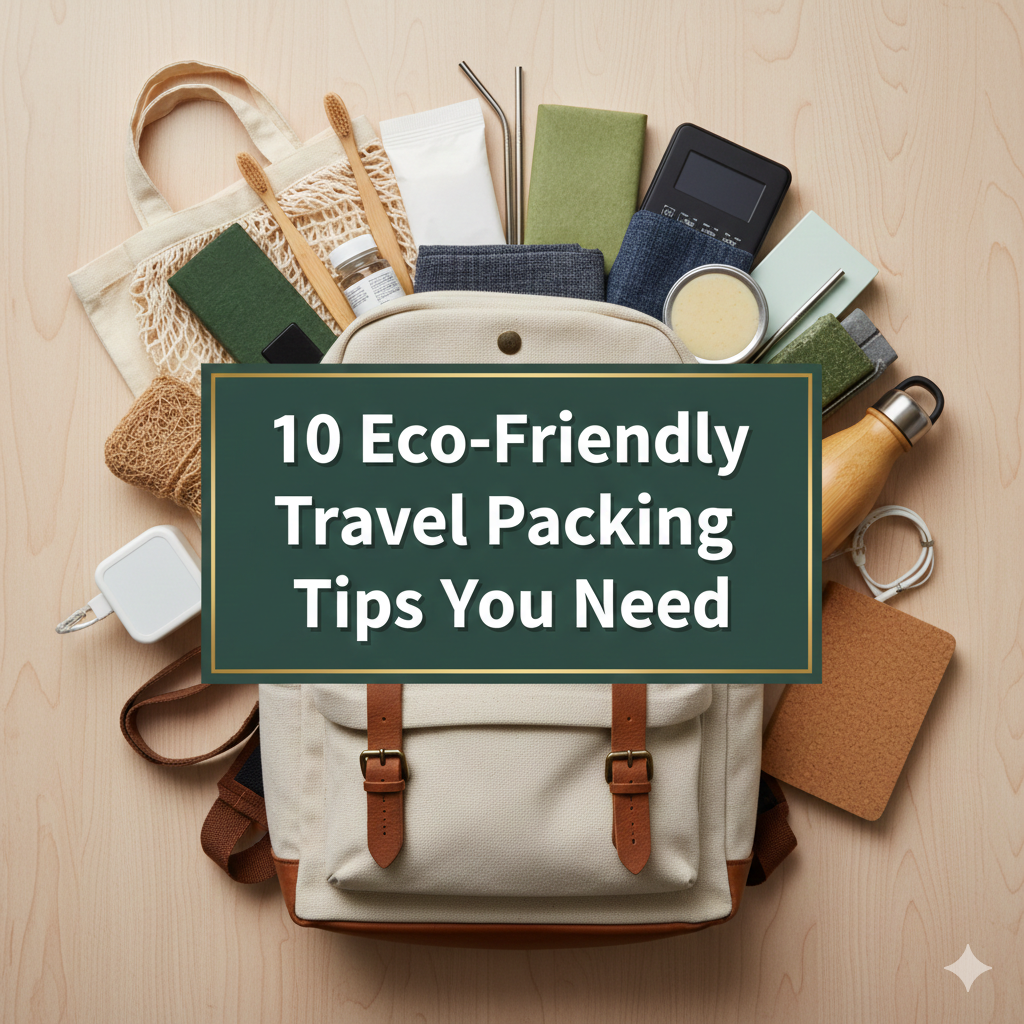
This guide covers 10 uncomplicated tips that are low-cost and can be easily incorporated into your routine. Let’s get into it.
Why Packing Greener Actually Matters
Before you start on the tips, it’s good to understand the main picture.
Tourism is responsible for about 8% of global greenhouse gas emissions, according to research published in Nature Climate Change. Much of it comes from what travelers bring — and dispose of — during their trips.
Plastic waste, chemical sunscreens, single-use toiletries and throwaway clothes all tally up. Multiply that by billions of trips each year, and the effect adds up enormously.
The silver lining is that travelers are getting more conscious. Studies reveal that more than 70% of global travelers wish to travel sustainably. The problem is knowing where to start.
It all begins with packing. You have total control over it, there’s little cost to adjusting it, and the differences accumulate quickly.
Tip 1: Bring Only the Bare Minimum and Travel Light
The Less-Is-More Philosophy
The one green thing you can do before a trip? Pack less stuff.
Each extra pound in your bag adds weight to the plane, train or car you’re traveling on. More weight means more fuel burned, which in turn results in more carbon emissions released.
Airlines alone consume thousands of extra gallons of fuel per year because of passenger baggage weight. That’s a real environmental cost.
Packing light also means you avoid checked luggage, which reduces the overall load on flights.
How to Actually Do It
Push yourself to pack only what you know you will actually wear. Spread everything you plan to take out on the bed, and put half of it back before packing.
Adopt the capsule wardrobe style — go for neutral colours and easy-to-mix-and-match clothing. Smartly planned, five pieces of clothing can equal 10 or more outfits.
One good rule of thumb: if you can’t wear a piece at least three times on the trip, leave it home.
Tip 2: Trade Plastic Out for Reusable Alternatives
The Plastic Problem in Travel
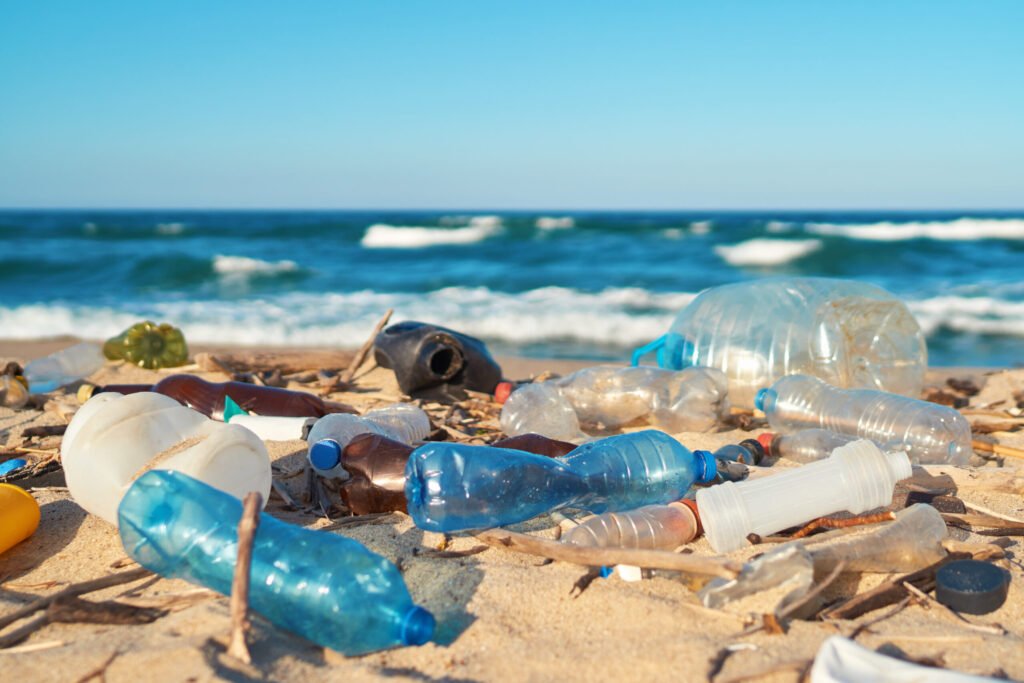
One of the most pervasive environmental enemies in travel is plastic. Consider how many single-use plastic bottles, bags and containers are thrown into landfills or the ocean after a typical vacation.
One traveler can leave behind multiple pounds of plastic waste from a single week-long trip.
Most of that waste is eliminated with reusable gear before the trip even starts.
Must-Have Reusable Travel Swaps
| Item to Replace | Eco-Friendly Swap |
|---|---|
| Plastic water bottle | Stainless steel or glass bottle |
| Plastic bags | Reusable silicone or cloth bags |
| Disposable cutlery | Bamboo or metal travel utensil set |
| Plastic straws | Collapsible metal or bamboo straw |
| Plastic shopping bag | Foldable tote bag |
These swaps are cheap, lightweight and will last for years. They also make a real dent in the plastic footprint of your travels.
Tip 3: Opt for Solid Toiletries Instead of Liquid Bottles
Why Solid Products Win for Eco-Travel
The majority of shampoo, conditioner, body wash and lotion products are sold in single-use plastic bottles. Hotels typically offer tiny versions that go straight in the trash after one use.
Solid toiletries — such as shampoo bars, conditioner bars and solid body wash — arrive with minimal to no plastic packaging. The majority are packaged in paper or small metal tins.
They are also generally more concentrated, so they last longer than liquid versions.
What to Pack in Solid Form
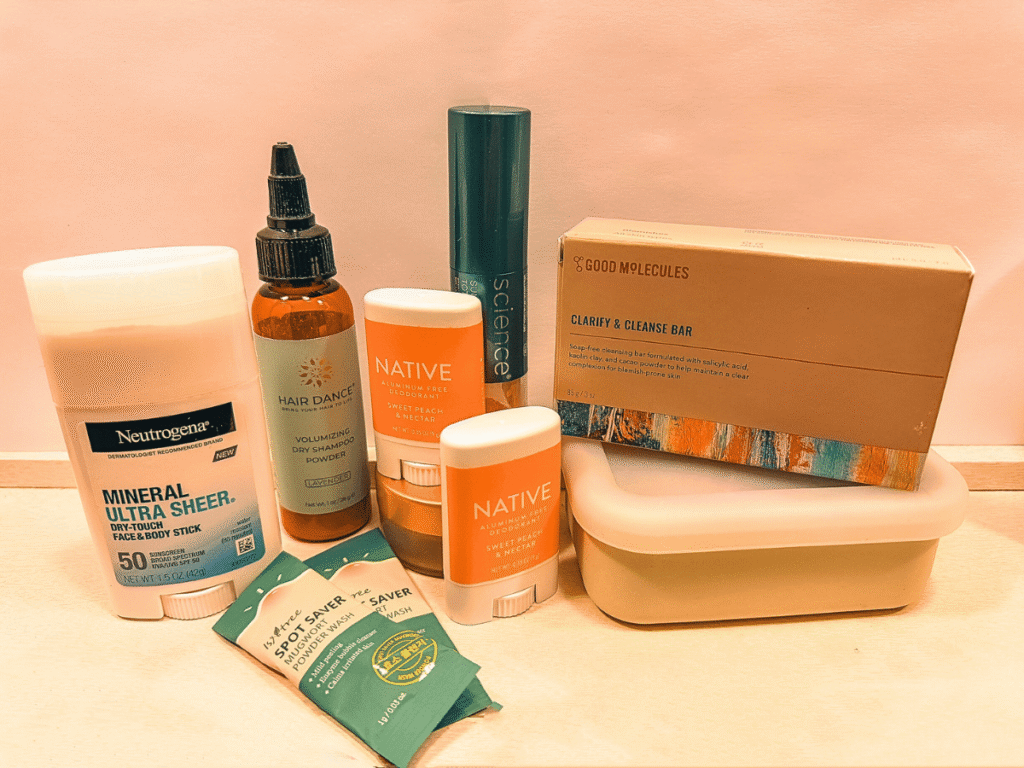
Shampoo bars have become increasingly popular, and most hair types can use them interchangeably with traditional liquid shampoo. One small bar is equivalent to two to three bottles of liquid shampoo.
The market now offers conditioner bars, solid face cleansers, toothpaste tablets and solid sunscreen sticks that are easy to find online or at natural food stores.
Bonus: solid products tend to be carry-on friendly, so you won’t need to worry about the TSA 3-1-1 rule on liquids.
Tip 4: Opt for Eco-Friendly Luggage and Bags
What’s in Your Bag Matters
Few people give a thought to the environmental cost of the bag itself. But traditional luggage is often made from petroleum-based synthetics that are not biodegradable and come from factories with heavy carbon footprints.
Eco-friendly luggage is produced using recycled plastics, organic cotton, hemp or other low-impact materials. Some brands also focus on fair-trade labor and minimal packaging.
What to Look For
When picking a bag, here are some things to consider:
Recycled materials — Plenty of brands now construct bags from recycled ocean plastic or post-consumer plastic bottles.
Durability — A bag that lasts 10 years is always going to be more eco-friendly than a cheap alternative you replace every two years.
Repairability — Opt for brands that offer repair programs so that you don’t have to discard the bag when something breaks.
Certifications — Where available, seek out bluesign®, Fair Trade or B Corp certifications.
Brands like Patagonia, Cotopaxi and Db are well known for their eco-friendly gear options.
Tip 5: Bring Reef-Safe and Natural Sunscreen
Chemical Sunscreen’s Hidden Damage
This one catches many travelers by surprise. Traditional chemical sunscreens typically include ingredients such as oxybenzone and octinoxate. These chemicals have been found to harm coral reefs when swimmers wash sunscreen off in the ocean.
Hawaii, Palau and a few other destinations have already banned some chemical sunscreens to protect their marine life.
Even if you’re not swimming in coral reef zones, chemical sunscreens often end up in waterways.
Safer Options to Pack
Reef-safe sunscreens contain mineral-based ingredients like zinc oxide or titanium dioxide as an alternative to potentially harmful chemicals. They protect your skin effectively without damaging the environment.
Search for options marketed as “reef-safe” or “mineral sunscreen.” Be sure to read the ingredient list — some products are marketed as reef-safe but still include questionable chemicals.
Solid sunscreen sticks are also available, which eliminates the plastic bottle waste too.
Tip 6: Carry a Zero-Waste Snack and Food Kit
Why Food Waste and Packaging Really Add Up
Single-use food packaging is everywhere — airports, train stations and tourist areas are filled with it. A disposable coffee cup, snacks in plastic bags, or takeout in styrofoam containers all add up quickly over a trip.
A small food kit in your bag helps you bypass most of that waste.
What to Pack in Your Travel Food Kit
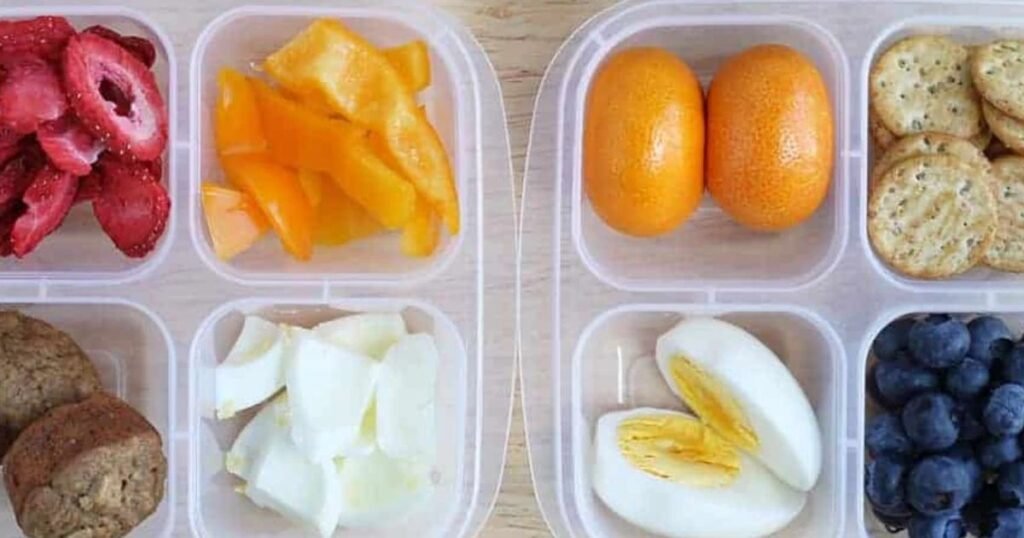
A reusable coffee cup or travel mug makes all the difference. Many cafes now provide discounts to customers who bring their own cup.
Bring your own snacks in reusable silicone bags or beeswax wraps instead of buying individually wrapped options at the airport.
Add a small cloth napkin to replace paper napkins. Include a reusable spork or bamboo utensil set so you’re never stuck using plastic cutlery.
A collapsible container may also come in handy for leftovers when dining out, reducing takeout packaging.
Tip 7: Wear and Pack Eco-Friendly Clothing
Fast Fashion’s Travel Problem
It’s common practice among many travelers to stock up on cheap vacation clothes they never wear again. That directly contributes to the fast fashion crisis, one of the most polluting industries on Earth.
Synthetic materials like polyester also shed microplastics every time they’re washed, which end up in oceans and waterways.
Smarter Clothing Choices for Green Travel
Opt for natural fabrics such as organic cotton, linen, wool or bamboo. These materials are generally biodegradable and have less environmental impact than synthetic blends.
Even better, shop secondhand before a trip. Thrift stores and online platforms like ThredUp or Poshmark offer great travel-friendly clothing options at a fraction of the retail price.
Pack clothes you already own and love instead of buying new ones. The most sustainable outfit is always the one you already have.
If you need something specific for a trip, consider renting gear — especially for outdoor activities like skiing, hiking or surfing — rather than buying new equipment you’ll rarely use again.
Tip 8: Go Digital to Cut Down the Paper Trail
The Paper Trail of Old-Style Travel
Travel used to mean stacks of printed maps, paper boarding passes, hotel confirmation printouts and thick guidebooks. All of that paper adds up.
Going digital is one of the easiest eco-friendly travel packing tips because it requires no spending at all — just a shift in habits.
How to Travel Paper-Free
Lean on your phone for whatever you can. Keep boarding passes, hotel bookings and event tickets in your phone’s wallet app or email.
Download offline maps through apps like Maps.me or Google Maps to navigate without needing paper maps or using data.
Opt for digital guidebooks and travel apps over printed travel guides. Many are free.
Take photos of important documents like your passport, visa and insurance cards and store them safely in the cloud.
This approach also lightens your bag, which — as explained in Tip 1 — has its own environmental benefit.
Tip 9: Own a Small Reusable Shopping Bag
Shopping on the Road Creates Waste
Souvenir shops, grocery stores and pharmacies in popular tourist spots frequently hand out single-use plastic bags without a second thought.
Plastic bag waste is a serious environmental issue in many developing countries, and tourism plays a part in fueling it.
The Easiest Fix in Your Packing List
A small, foldable tote bag takes up almost no space in your luggage — some compress to the size of a golf ball — and weighs next to nothing.
Keep it in your day bag so you always have it handy when shopping or picking up food at a market.
This small addition can keep dozens of plastic bags from entering the waste stream during a single trip.
Some travelers carry two: a larger one for beach or market days and a smaller compact one for daily errands.
Tip 10: Bring a Personal Water Filtration Solution
Why This Changes the Game in Many Destinations
In places where tap water is not safe to drink, travelers often depend on bottled water. This results in a massive amount of plastic waste.
In parts of Southeast Asia, Central America and some African and Middle Eastern countries, plastic bottle waste from tourists is becoming a major environmental problem.
A personal water filter or purifier solves this problem entirely.
Your Best Options
Water filtration bottles — Products such as the LifeStraw Go bottle or Grayl Geopress filter water as you drink, making tap water or even stream water safe to consume.
UV purifiers — Devices like the SteriPen use ultraviolet light to kill bacteria and viruses in water within about 60 seconds.
Water purification tablets — These are incredibly lightweight and cheap, and work well as a backup option.
Any one of these options means you can fill up from taps, fountains or even natural sources and skip single-use plastic bottles completely.
At a Glance: Your Eco-Friendly Packing Checklist
| Category | What to Pack |
|---|---|
| Hydration | Reusable water bottle or filtration bottle |
| Toiletries | Shampoo bar, conditioner bar, solid sunscreen, toothpaste tablets |
| Food & Drink | Reusable cup, utensil set, silicone bags, cloth napkin |
| Shopping | Compact foldable tote bag |
| Clothing | Natural or secondhand fabrics, capsule wardrobe |
| Documents | Digital boarding passes, offline maps, e-tickets |
| Extras | Reusable straws, beeswax wraps, collapsible container |
How These Tips Compare to Traditional Travel
| Travel Habit | Environmental Impact | Eco-Friendly Swap | Impact Reduction |
|---|---|---|---|
| Plastic water bottles | ~150 per traveler per year | Reusable bottle | Up to 100% |
| Chemical sunscreen | Damages coral reefs | Mineral sunscreen | Significant protection |
| Fast fashion vacation clothes | High carbon, microplastic waste | Secondhand or natural fabrics | Lower carbon footprint |
| Printed travel docs | Paper waste, loss of trees | Digital documents | Eliminates paper waste |
| Hotel mini toiletries | Tons of plastic annually | Solid toiletry bars | Near-zero plastic waste |
Building Your Green Travel Mindset
These eco-friendly travel packing tips work best when practiced as habits, not just a one-time thing.
Start small. Change a thing or two on your next holiday. See how it feels. Then add more swaps on the trip after that.
Before you know it, packing green will be second nature — and you’ll wonder how you ever traveled any other way.
Remember, sustainable travel is not about sacrifice. It’s about being thoughtful. The best travel experiences emerge from arriving in a place with respect — for its people, its culture and its environment.
The world you are venturing out to discover is worth protecting.
Frequently Asked Questions
Q: What are the best eco-friendly travel packing tips for beginners? Begin with the easiest swaps: a reusable water bottle, a foldable tote bag and solid toiletries. These three changes will drastically decrease your travel waste and take little to no effort or expense.
Q: Do solid shampoo bars really work? Yes. Solid shampoo bars have really come a long way in the past few years. For most people, they work just as well as liquid shampoo, and you can find options suited for dry, oily, curly or color-treated hair.
Q: Is reef-safe sunscreen less effective than regular sunscreen? Mineral sunscreens provide excellent UV protection. They may feel slightly thicker or leave a white cast compared to chemical sunscreens, but newer formulations have significantly improved on this. The protection level is comparable.
Q: Does eco-friendly gear take up a lot of space? Most sustainable swaps are compact. A reusable bottle, a foldable tote, a set of bamboo utensils and solid toiletry bars will all easily fit in a carry-on. Often, you’ll find yourself packing less overall — which is the whole point.
Q: Can eco-friendly packing actually save me money? Absolutely. A reusable water bottle means you’re not spending money on bottled water throughout your trip. Solid toiletry bars last longer than liquid products. Packing less means no checked baggage fees. The savings add up quickly.
Q: What is a water filtration bottle and how does it work? A water filtration bottle has a built-in filter — usually activated carbon or a membrane filter — that removes bacteria, parasites and impurities as you drink. You simply fill it from a tap or water source and drink through the filter. Brands like LifeStraw and Grayl are popular and widely trusted options.
Q: Do airlines really care how much I pack? Yes. Airlines impose strict weight limits for good reason — heavier planes consume more fuel. Packing light and going carry-on only wherever possible helps reduce your personal carbon contribution per flight.
Wrapping It All Up
Eco-friendly travel packing tips are not complicated. They don’t require costly gear or a total lifestyle overhaul. They just need a bit of intention before you zip up your bag.
Pack less. Choose reusables. Go solid. Go digital. And remember that every small choice — that reusable bottle, that shampoo bar, that digital boarding pass — adds up into a much bigger story.
The world’s most beautiful destinations rely on travelers who care enough to protect them. With these 10 tips, you’re already ahead of the curve.
Pack smart, travel green, and enjoy every moment of the journey.